


 English
 Deutsch
 中文简体
中文简体1. Full-body training effect: The classic swing movement effectively targets upper body muscles (suc...
Product
Weights Equipment Manufacturers
-
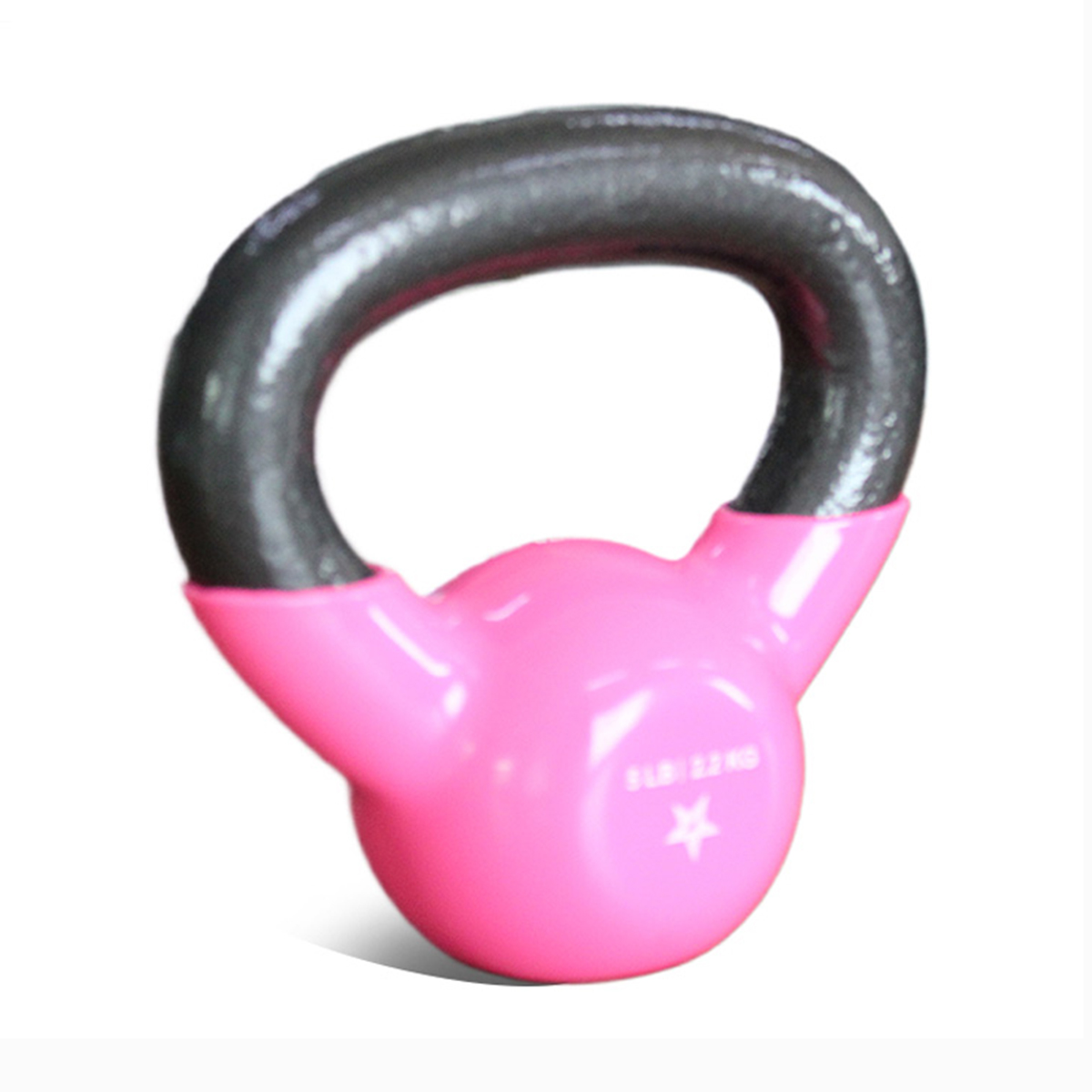 Vinyl Cast Iron Kettlebell L0001
 -
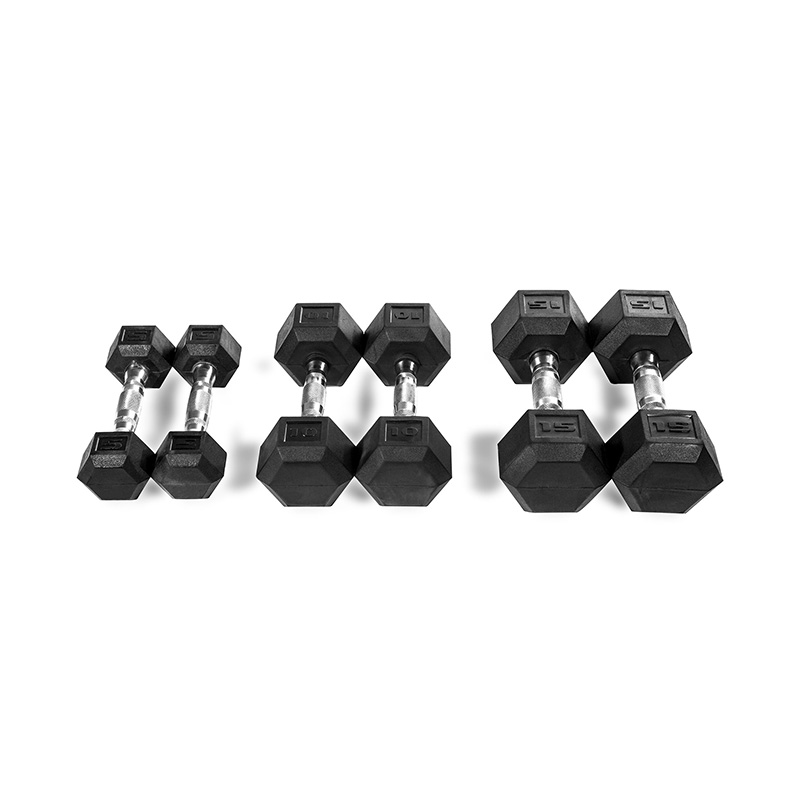 Black Multi-Sized Rubber Dumbbell Set C0003
1. Durability and wear resistance: Made of high-quality rubber material, it has excellent durability...
-
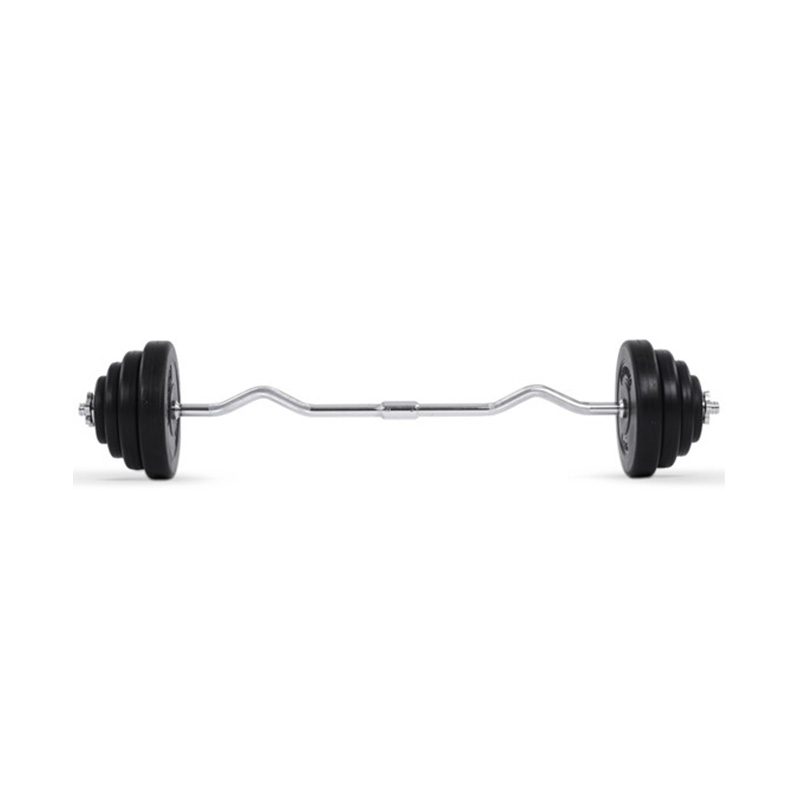 Non-Rolling Adjustable Dumbbell Set C00A3
1. Excellent stability:The non-rolling design ensures the stability of the dumbbells when placed on ...
-
 M0001 Silver Barbell Bar C0002
1. Diversified training effects: Weightlifting barbell weight sets can train different muscle groups...
-
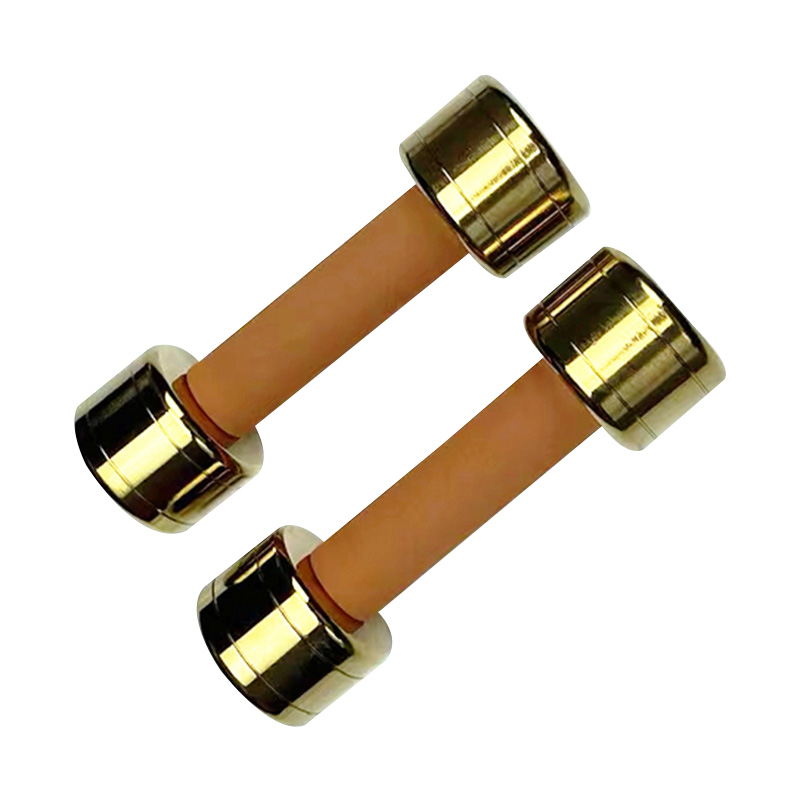 Bronze-colored Electroplated Dumbbell Q0001~16
Product OverviewThe Bronze-colored Electroplated Dumbbell represents the perfect fusion of professio...
-
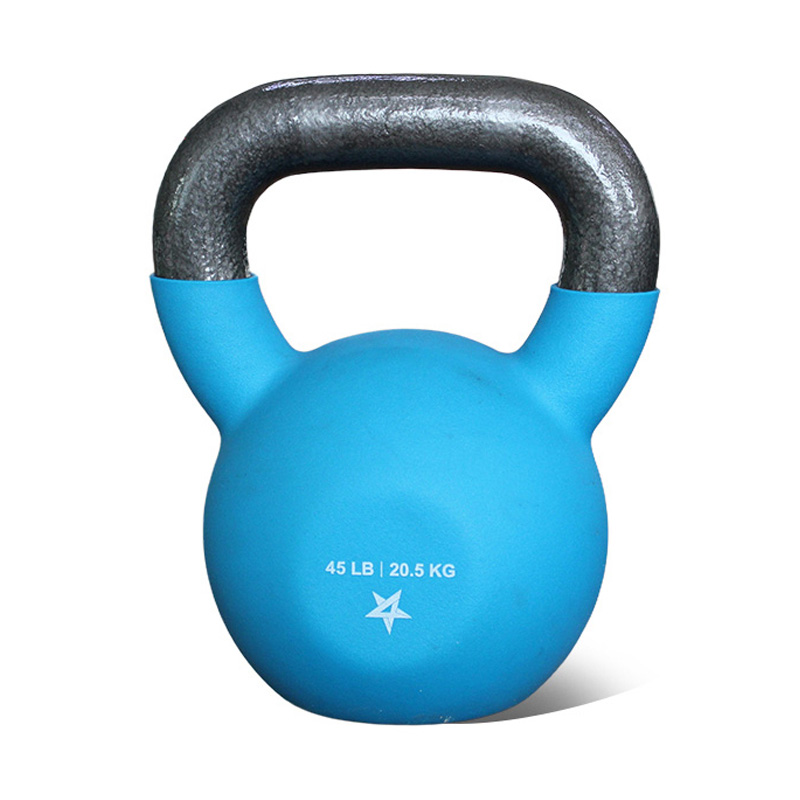 Coated Conditioning Training Kettlebells L0006
Product OverviewIntroducing the Coated Conditioning Training Kettlebells - a revolutionary advanceme...
-
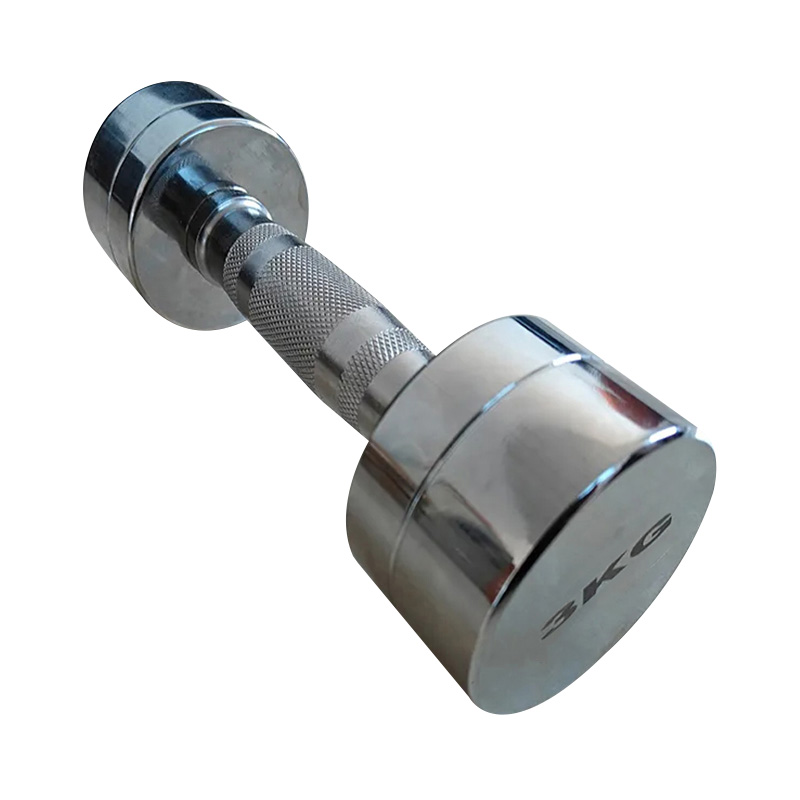 Silver Chrome Dumbbell Q00017~32
Product OverviewThe Silver Chrome Dumbbell represents the perfect fusion of professional performance...
-
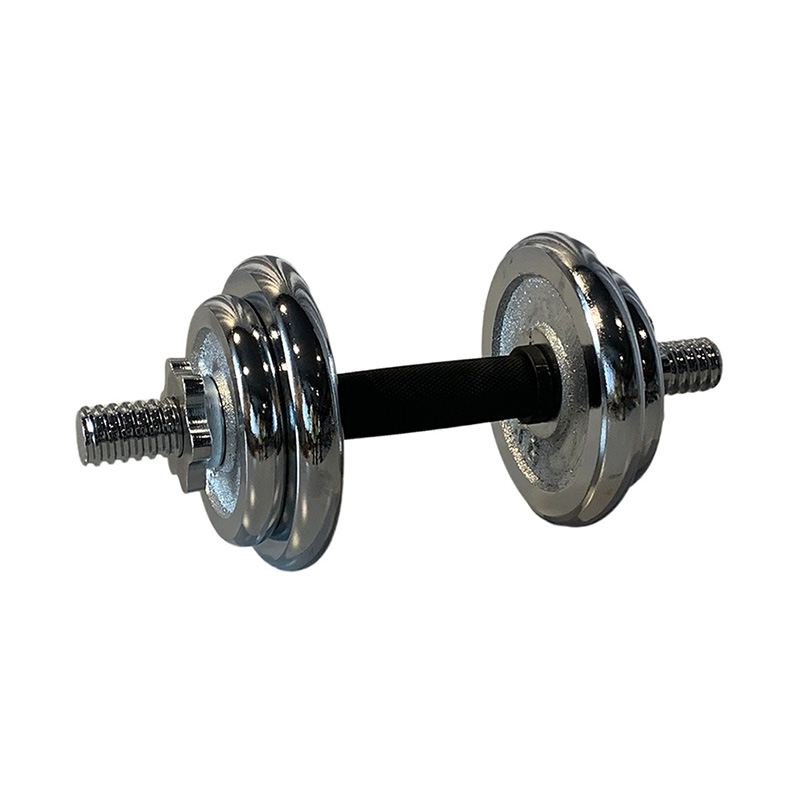 Electroplated Dumbbell Set Q00033
Product OverviewThe Electroplated Dumbbell Set represents the pinnacle of professional fitness equip...
-
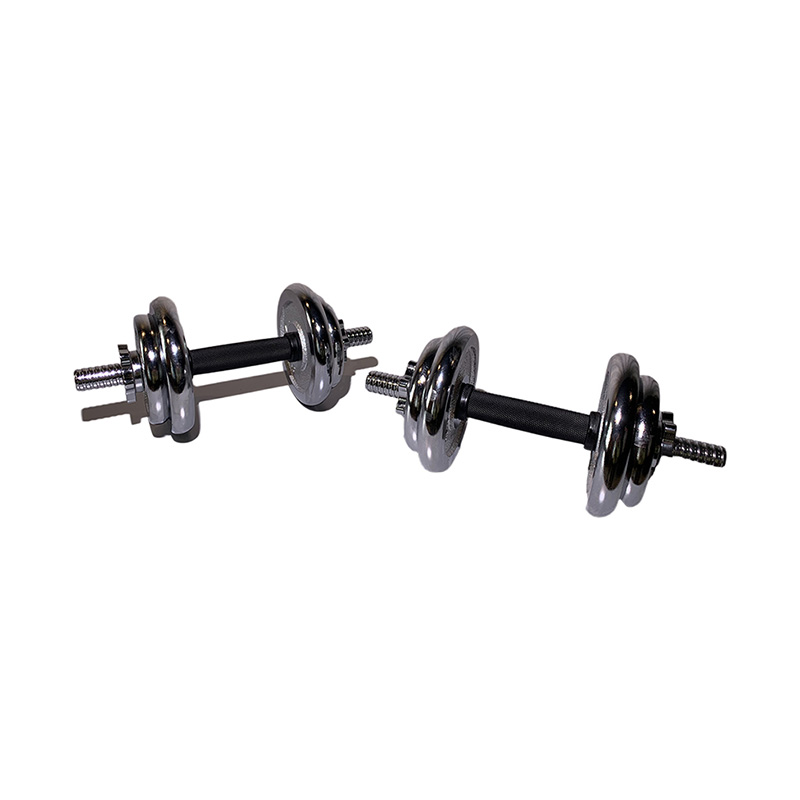 Chromium Plating Dummbell Q00034
Product OverviewThe Chromium Plating Dumbbell represents the ultimate fusion of scientific engineeri...
-
 Precision Cast Iron Copper Dumbbell Q00035
Product OverviewThe Precision Cast Iron Copper Dumbbell represents the ultimate achievement in stren...
-
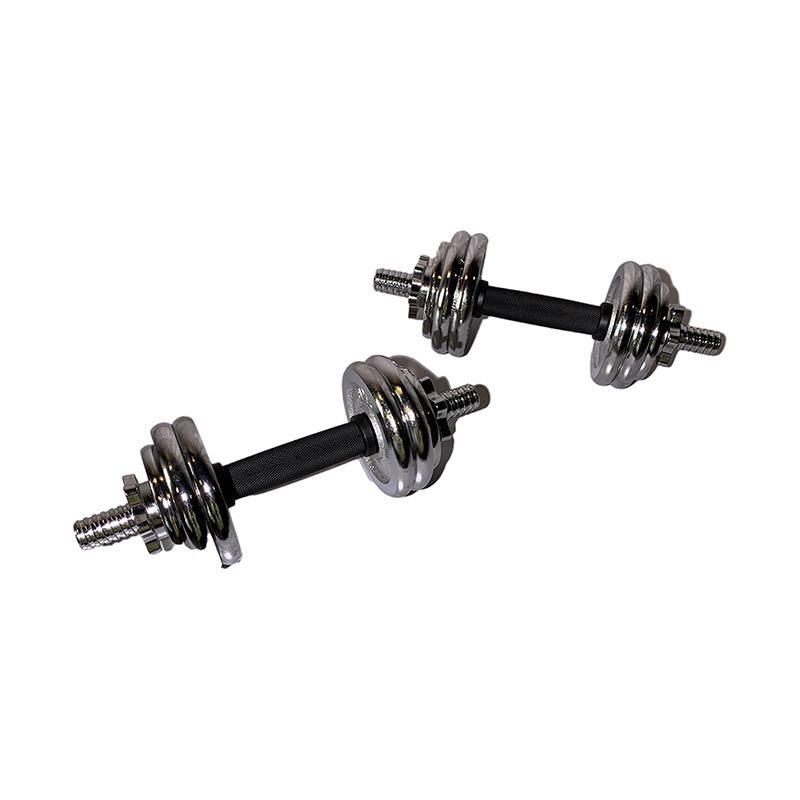 Combination Set Of Chrome-Plated Dumbbells Q00036
Product OverviewThe Combination Set Of Chrome-Plated Dumbbells represents the pinnacle of versatile ...
-
 Various Sets Of Yoga Dumbbells In Different Colors S0002~5
Product OverviewExperience the perfect fusion of traditional strength training and mindful movement ...
Weights equipment encompasses a range of tools designed for resistance training, including dumbbells, barbells, kettlebells, and weight plates, which are used to increase muscle strength, endurance, and overall fitness through various exercises that challenge and develop different muscle groups.
-
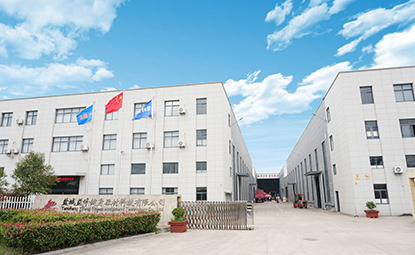
CompanyAs a Weights Equipment Manufacturers and Weight Lifting Gear Factory, Dingfeng is an outstanding enterprise focusing on the field of fitness equipment, it was established in 2009 and is located in Nantong City with convenient transportation access.
-
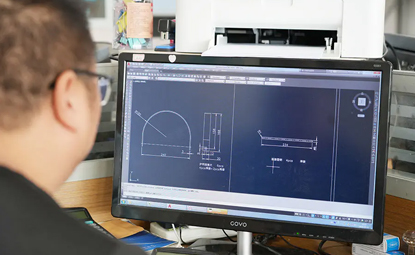
TeamDingfeng advocates a people-oriented management model. We have gathered a large number of well-trained professionals who are familiar with the international trade process.
-
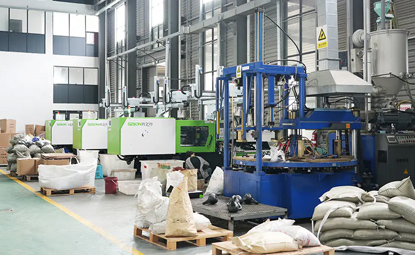
QualityDingfeng takes quality as the core and strictly controls every link to ensure the good performance and safety of the products.
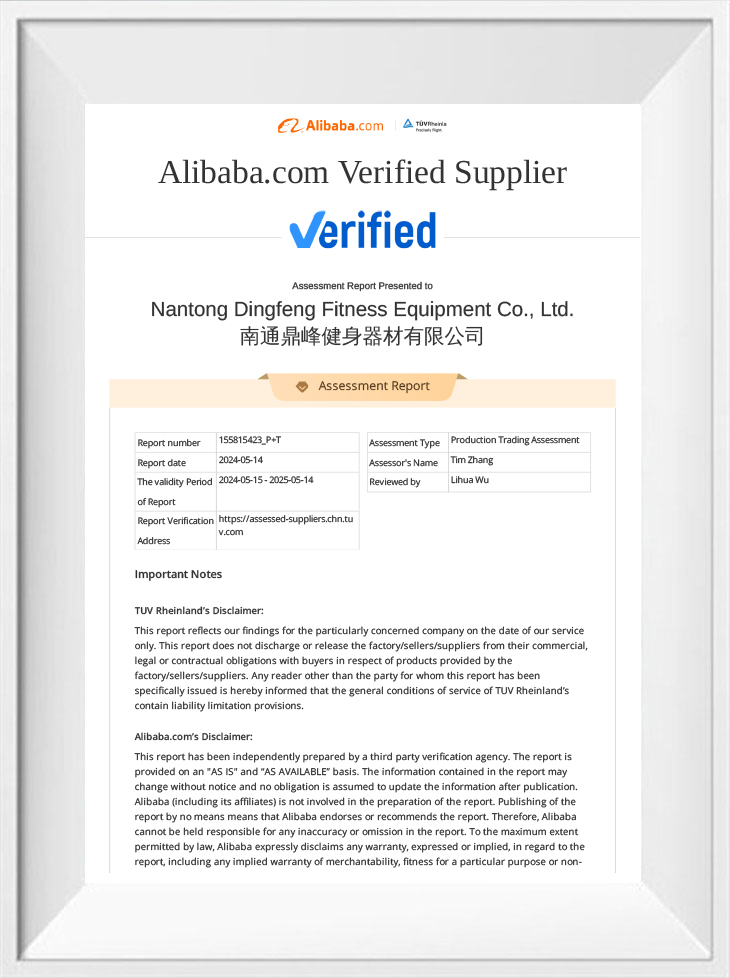
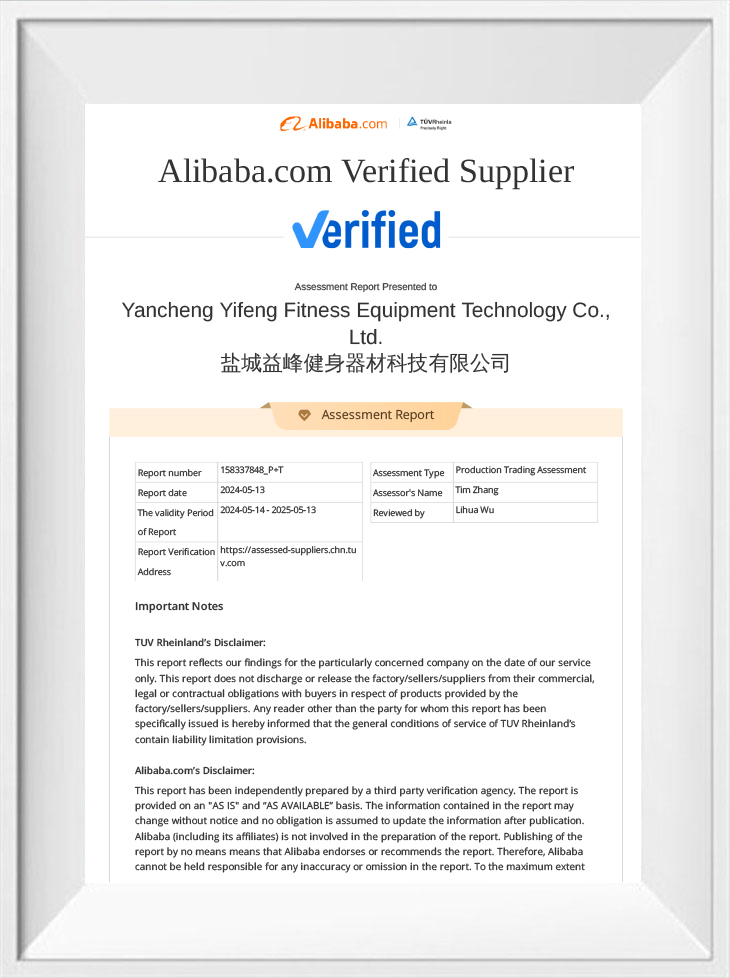
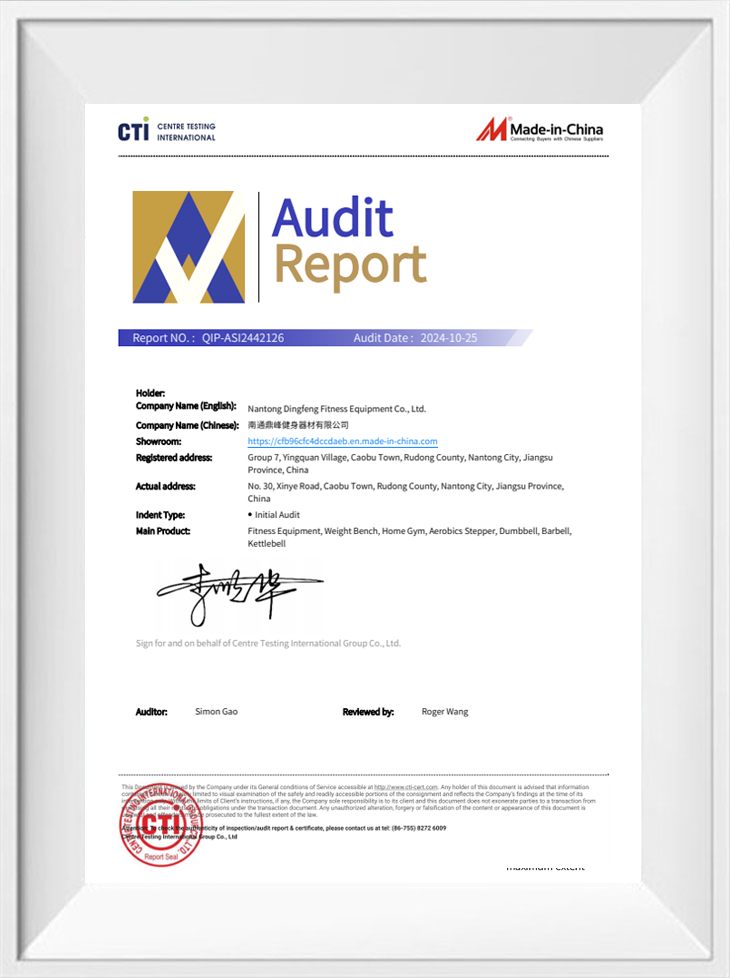
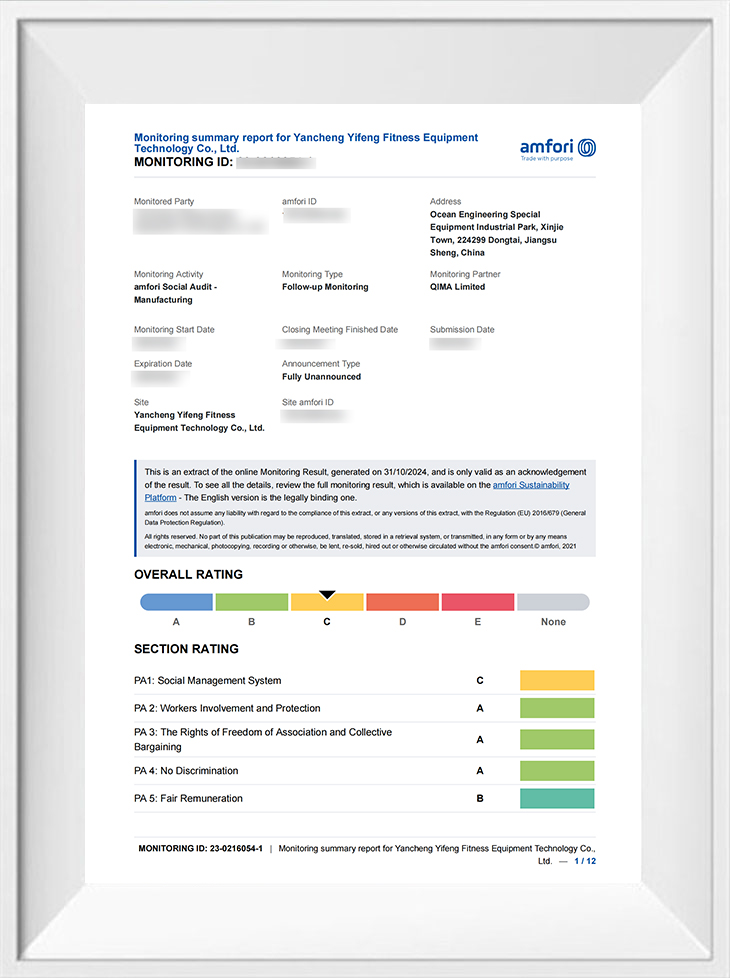
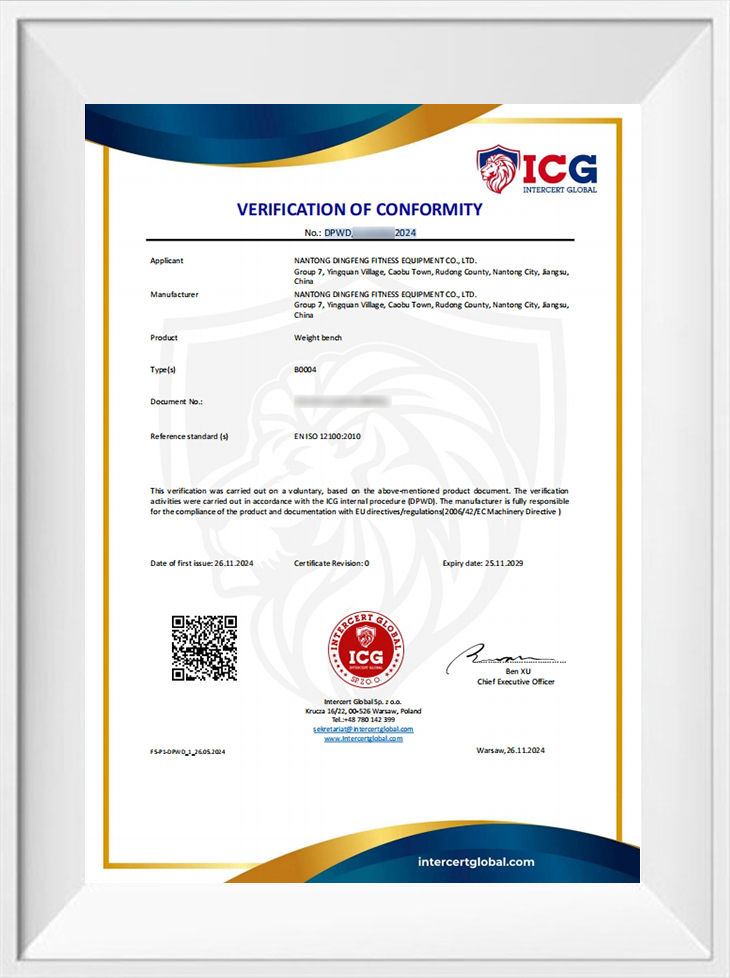
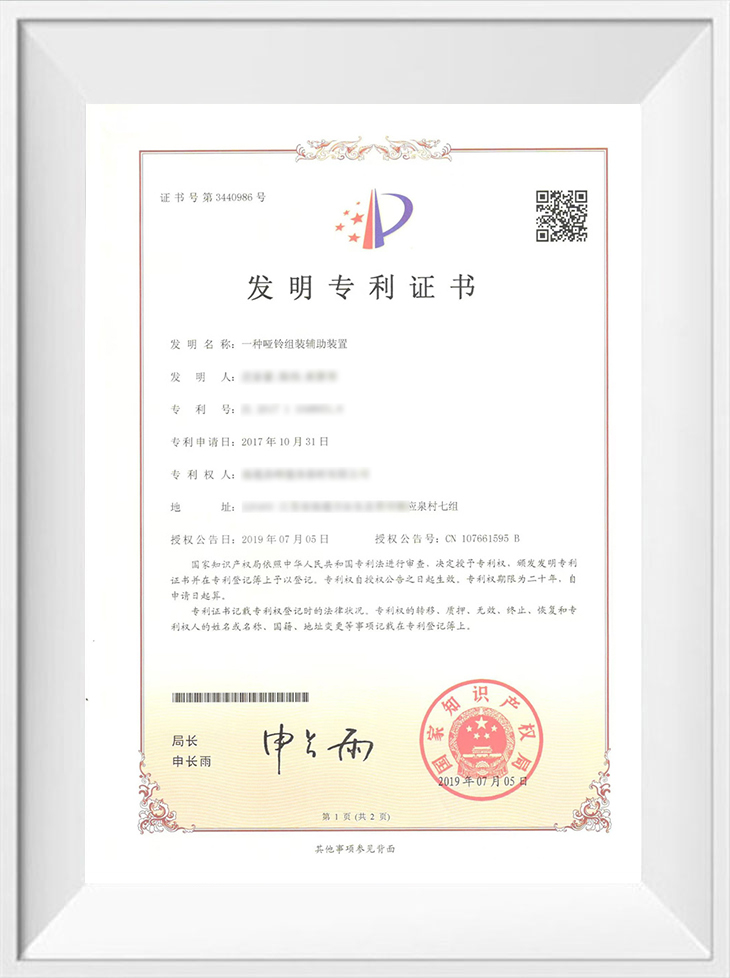
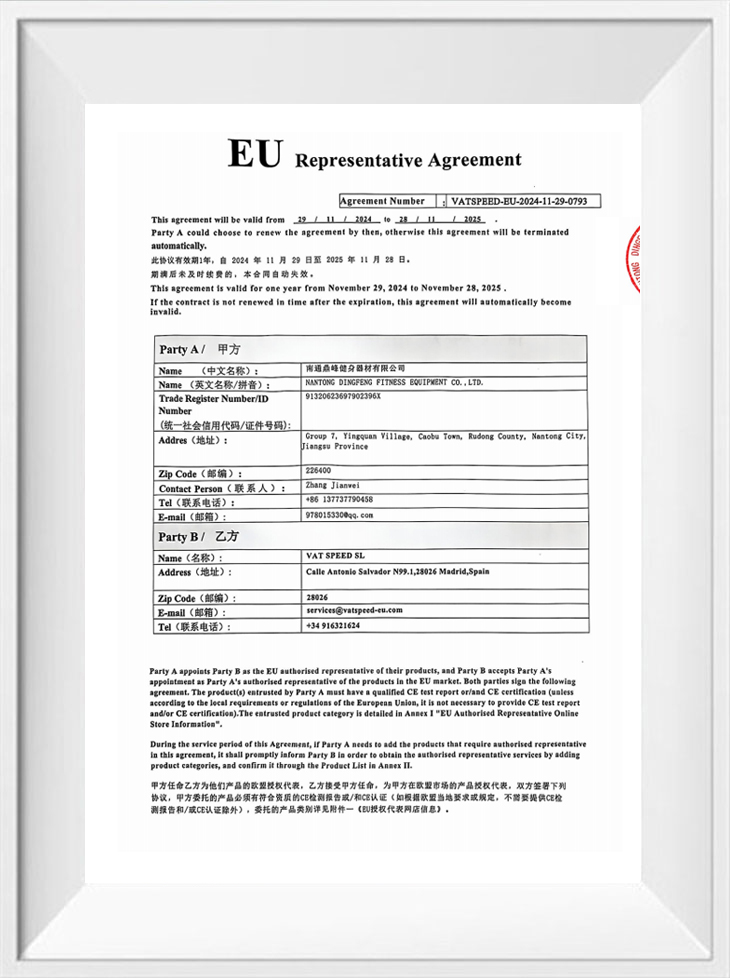
CERTIFICATE OF HONOR
LATEST NEWS
-
Picture a home gym holding a power rack, a 2.2 m bar, a pair of adjustable dumbbells and about 40 minutes of usable training time. The owner does not need 40 exercises. A workable compound workout list for that setup is nine movements long, and two of them can be swapped out every six wee...
-
You open a dumbbell Romanian deadlift GIF, watch the hips travel back, and try to copy the motion. Ten reps later your lower back feels tight, not your hamstrings. The GIF is not wrong; it simply cannot see your stance, your dumbbell path, or how much load you grabbed from the rack. The f...
-
Three sets of 30 crunches, four sessions a week, for eight months, and the same flat midsection. That plateau is the standard story in core training, and the fix is almost never a new crunch variation. It is resistance. Once you move from bodyweight reps to the best abdominal exercises wi...
Weights Equipment Industry knowledge
In the field of strength training and physical conditioning, the choice of equipment often determines the limits of training. Nantong Dingfeng Fitness Equipment Co., Ltd., leveraging its superior geographical location—adjacent to Shanghai Port and Shanghai International Airport—has built an efficient global supply system, dedicated to providing professional strength training solutions for fitness enthusiasts and commercial institutions worldwide.
I. Core Categories in the Strength Training Ecosystem
Strength training equipment is a vast system, usually categorized into the following key areas based on usage scenarios, training goals, and mechanical structure:
1. Weights Equipment
This type of equipment primarily refers to the carriers that provide resistance, forming the foundation of all resistance training.
Free Weights: Including dumbbells, weight plates, and kettlebells. Their core advantage lies in engaging more stabilizing muscles and conforming to natural human movement patterns.
Selectorized Stacks: Commonly found in multi-gyms, weight is adjusted via pins, suitable for beginners to isolate target muscles, offering higher safety.
2. Weight Lifting Gear
"Gear" and "Equipment" differ in professional contexts; the former focuses more on items worn on the body or tools that directly assist limb grip.
Protective Gear: Such as weightlifting belts, wrist wraps, and knee wraps. They protect joints from injury under extreme loads by increasing abdominal pressure or providing lateral support.
Assisting Gear: Lifting straps and chalk, designed to address the issue of grip strength failing before target muscles fatigue.
3. Weight Lifting Equipment
This equipment is specifically designed for explosive power training (such as snatch and clean and jerk) and heavy squats and deadlifts.
Olympic Bars: Possess specific elastic modulus (Whip) and smooth rotation to absorb impact forces during high-dynamic movements.
Weightlifting Platforms and Squat Racks: Provide a sturdy support surface and safety features, forming the core of the heavy lifting area.
4. Gym Lifting Equipment
This is a more inclusive category, encompassing all devices used for strength training in a gym.
Multi-functional Power Racks: Achieve multi-angle force output through a pulley system. Adjustable Bench: Provides diverse training angles (incline, decline, flat press), allowing for precise sculpting of muscle definition.
II. Comparison of Core Equipment Functions and Applications
To provide a more intuitive understanding of the differentiated positioning of various types of equipment, the following table provides a systematic overview:
| Category Name | Core Components | Primary Application Scenarios | Impact on Sports Biomechanics |
| Weights Equipment | Dumbbells, Rubber-coated Plates, Cast Iron Plates | Foundational Strength Building, Hypertrophy Training | Provides adjustable gravitational resistance; emphasizes stabilizer muscle engagement and balance. |
| Weight Lifting Gear | Lifting Belts, Lifting Straps, Knee Sleeves | Maximum Load Challenges, Injury Prevention | Enhances core stability through intra-abdominal pressure; optimizes kinetic chain transmission. |
| Weight Lifting Equipment | Olympic Bars, Competition Bumper Plates, Weightlifting Platforms | Competitive Weightlifting, Powerlifting, Explosive Power Development | Engineered to absorb high-impact drops; ensures structural integrity under dynamic loading. |
| Gym Lifting Equipment | Squat Racks, Cable Machines (Functional Trainers), Chest Press Machines | Commercial Gyms, Personal Training Studios | Provides guided movement trajectories or safety limiters; improves training efficiency and isolation. |
III. Nantong Dingfeng: Combining Geographical Advantages and Logistics Efficiency
In the fitness equipment trade, logistics costs and delivery time are crucial factors determining product competitiveness. Nantong Dingfeng Fitness Equipment Co., Ltd. is located in Nantong City, Jiangsu Province, a location that provides exceptional flexibility for product distribution:
Seaport Hub Advantage: The company is only 116 kilometers from Shanghai Port. As a leading port in global throughput, Shanghai Port offers extensive shipping routes. For large quantities of weights equipment and heavy-duty weightlifting equipment, sea freight is the best option for both cost-effectiveness and large-scale delivery.
Air Freight Emergency Support: For high-end weightlifting gear or urgent customer replenishment needs, the proximity to Shanghai International Airport is a significant advantage. Air freight can significantly shorten cross-border turnaround times, ensuring immediate response in the global supply chain.
IV. Frequently Asked Questions (FAQ)
Q: Why is the surface treatment of weights equipment so important in strength training?
A: Surface treatment (such as electroplating, powder coating, or dip coating) not only determines the aesthetics of the equipment but, more importantly, provides rust prevention and wear resistance. In an environment with long-term, high-frequency contact with sweat, high-quality surface treatment prevents oxidation, extends the service life, and maintains consistent grip.
Q: Does using weightlifting gear lead to dependence and weaken core strength?
A: This is a common misconception. Professional equipment is a tool used when approaching maximum weight (usually above 80% of 1RM), designed to provide additional safety. Not using protective gear during basic training and using it appropriately when lifting heavy weights can better maximize muscle potential.
Q: What should commercial gyms prioritize when configuring gym lifting equipment?
A: Space utilization and durability. Due to the high frequency of use in a commercial environment, the welding process of the equipment, the smoothness of the pulley bearings, and the footprint of the equipment are core indicators that operators must consider.
Q: What are the special structural strength requirements for weightlifting equipment compared to ordinary fitness equipment?
A: Weightlifting equipment needs to withstand "drop tests." For example, competition-grade weight plates and barbells must be able to withstand thousands of drops and impacts without deforming or breaking, which places extremely demanding requirements on the selection of steel and the composition of the rubber.
CONTACT US NOW
PRODUCTS
CONTACT INFO
-
 +86-13773790458
-
 [email protected]
-
 No. 30, Xingye Road, Caobu Town, Rudong County, Nantong , Jiangsu, China.
Copyright © Nantong Dingfeng Fitness Equipment Co., Ltd.
All Rights Reserved.
 Custom Weight Lifting Equipment For Sale
Best Home Strength Training Equipment Factory
Custom Weight Lifting Equipment For Sale
Best Home Strength Training Equipment Factory
