English
 Deutsch
 中文简体
中文简体Content
Three sets of 30 crunches, four sessions a week, for eight months, and the same flat midsection. That plateau is the standard story in core training, and the fix is almost never a new crunch variation. It is resistance. Once you move from bodyweight reps to the best abdominal exercises with weights, the abs finally get a stimulus they can adapt to.
The short answer first: train the core like any other muscle. That means 3 to 4 sets of 8 to 15 controlled reps, two to three times a week, with a load you can increase every two weeks. The movements that make that progression easy are the ones that accept dumbbells, plates or cable resistance directly, and the ones that use anti-movement tension you can scale simply by picking up a heavier bell. Everything below is built around that idea.
Why Added Resistance Beats Endless Reps
A crunch is spinal flexion, and spinal flexion is limited by how much weight your hands can hold behind your head. That ceiling arrives fast. Most trained lifters reach a point where 50 unloaded crunches feel like cardio rather than strength work, which is a signal that the stimulus has drifted out of the range that builds tissue.
- Progression you can measure. A 10 lb dumbbell that becomes a 15 lb dumbbell over six weeks is real overload. Going from 50 to 70 bodyweight reps is mostly a change in endurance.
- A rep range that builds tissue. Loaded core work keeps you in the 8 to 15 rep window, where tension per rep is high and form is easy to supervise, whether you are coaching yourself or a room of clients.
- Carryover to heavy lifts. Resisting extension, rotation and side bending is exactly what the trunk does during a squat, a split-stance press or a one-arm row. Trained under load, that skill transfers.
- Scaling for mixed groups. Dropping to a 5 lb plate or a light cable makes the same exercise usable for a beginner and an advanced lifter on the same gym floor.
One caution before you load anything: earn the position first. If you cannot hold a clean plank for 45 seconds, or keep the lower back flat through a bodyweight dead bug, adding a dumbbell only gives you a heavier version of a bad position.
Five Weighted Ab Exercises Worth Learning First
1. Weighted Dead Bug (Anti-Extension)
Lie on your back with the ribs pulled down, holding a dumbbell or a small plate over your chest with both hands. Extend the opposite arm and leg slowly, then return. Start at 5 to 10 lb for 8 to 12 reps per side. The measurable standard is the lower back: if it lifts off the floor, the load is too heavy regardless of what the rep count says.
2. Half-Kneeling Pallof Press (Anti-Rotation)
Set a cable or band at chest height, kneel on the inside knee, and press the handle straight out from the sternum. The handle will try to pull you into rotation; the abs stop it. Use 10 to 20 lb of cable resistance for 10 to 12 reps per side, pausing one second at full extension.
3. Dumbbell or Kettlebell Suitcase Carry (Anti-Lateral Flexion)
Pick up one bell, walk 30 to 40 meters with the shoulders level and the ribs stacked over the pelvis. A 25 lb bell in each hand is a very different test than 25 lb in one hand, so start with the single-arm version. Resisting a side bend is what trains the obliques and the quadratus lumborum, and it is the fastest way to teach a trunk to stay stacked under load.
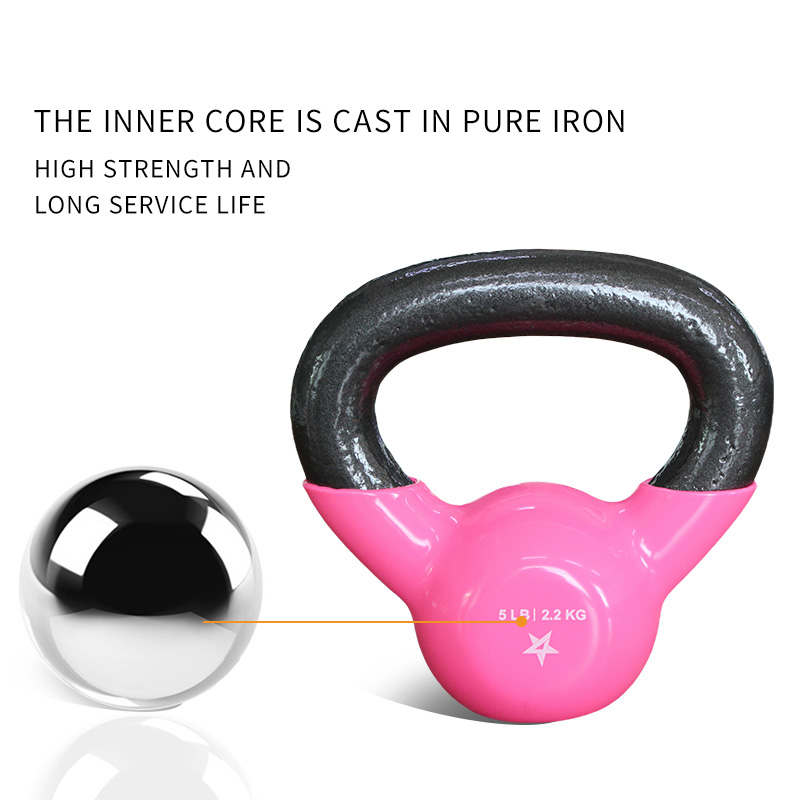 Vinyl Cast Iron Kettlebell1. Full-body training effect: The classic swing movement effectively targets upper body muscles (such as the rhomboids, trapezius, deltoids and forearms), posterior ch...View Product →
4. Decline Dumbbell Crunch (Loaded Flexion)
Set a bench to a 15 to 20 degree decline, hold a dumbbell against the chest, and curl one vertebra at a time. Use 10 to 25 lb for 10 to 15 reps. The decline increases range of motion, and the dumbbell gives you a 5 lb step whenever 15 reps start to feel comfortable.
5. Renegade Row (Anti-Rotation in a Plank)
Two dumbbells on the floor, feet slightly wider than the shoulders, one row at a time while the hips stay square to the ground. Use 15 to 25 lb per hand for 8 to 10 rows per side. If the hips rock, you are rowing with momentum rather than with the core.
Matching Load and Reps to the Movement
Weight selection is where most people go wrong. Anti-movement patterns such as carries and Pallof presses tolerate more load than loaded flexion, because the spine is not moving under that resistance. Use the table below as a starting point, then adjust in small steps of one dumbbell size or roughly 2 to 5%.
| Pattern | Example Exercises | Starting Load | Working Reps | Key Cue |
|---|---|---|---|---|
| Anti-extension | Weighted dead bug, plate hollow hold | 5-10 lb | 8-12 per side | Ribs down, low back flat |
| Loaded flexion | Decline dumbbell crunch, sit-up to press | 10-25 lb | 10-15 | Curl one vertebra at a time |
| Anti-rotation | Half-kneeling Pallof press, renegade row | 10-25 lb | 8-12 per side | Push out, do not twist |
| Anti-lateral flexion | Suitcase carry, one-arm farmer's carry | 20-40 lb per hand | 30-40 m or 30-45 s | Shoulders level |
| Rotation | Dumbbell woodchop, Russian twist | 8-20 lb | 10-12 per side | Hips quiet, ribcage turns |
A Two-Session Weekly Core Plan
Weighted core work does not need its own training day. Two short blocks, tacked onto the end of an existing strength session, are enough to drive progress without stealing recovery from the main lifts.
- Session A: weighted dead bug, 3 sets of 10 per side at 5 to 10 lb.
- Session A: decline dumbbell crunch, 3 sets of 12, adding 5 lb whenever 15 reps feel controlled.
- Session B: half-kneeling Pallof press, 3 sets of 10 per side.
- Session B: suitcase carry, 3 sets of 30 meters per side, then renegade row, 3 sets of 8 per side.
Progress on a two-week cycle rather than every session. Add 5 lb, or one dumbbell increment, only after you hit the top of the rep range with clean positions in two consecutive sessions. Keep core work at two or three sessions a week, not daily; the abs recover like any other muscle, and a decline bench that locks firmly into position makes loaded flexion easy to repeat with the same range of motion every set.
 Ergonomic Black Weight BenchProduct Overview The Ergonomic Black Weight Bench represents a breakthrough in human-centric fitness equipment design, combining advanced ergonomic principles with pro...View Product →
Equipment That Makes Weighted Core Work Practical
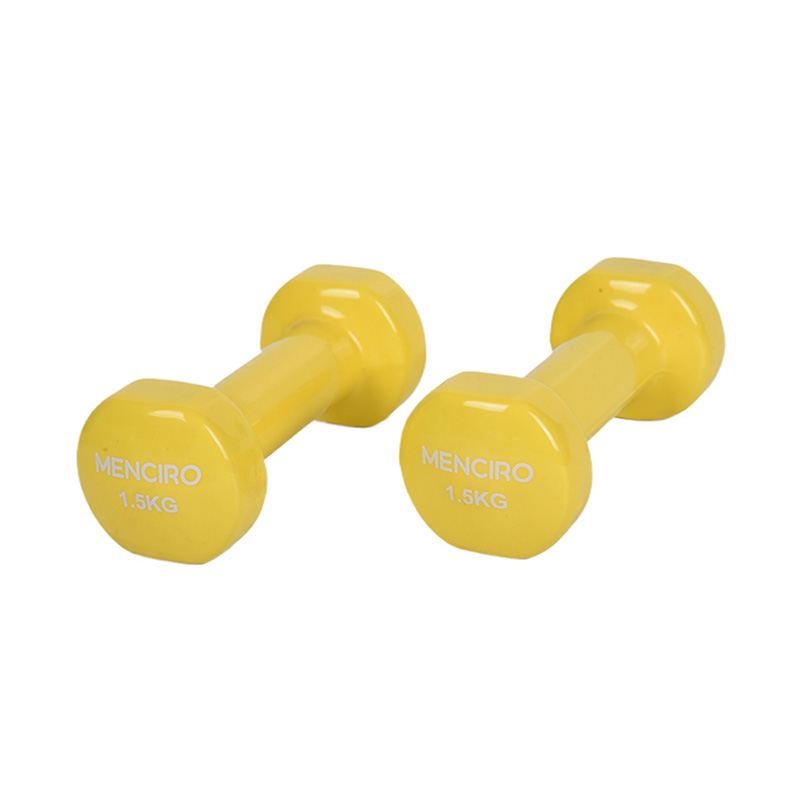
For a home setup, three pieces cover almost everything in this article: a pair of adjustable dumbbells in the 5 to 25 lb per hand range, a bench that inclines and declines, and an ab roller for anti-extension work that does not require a cable stack. A single kettlebell between 20 and 35 lb opens up carries, windmills and half Turkish get-ups.
An ab roller is one of the least forgiving core tools, which is exactly why it works. Rollout distance is the variable you control, and a matte-finished wheel with a smooth axle keeps the movement quiet and repeatable, so you can tell the difference between a genuine range increase and a wobble you fought through.
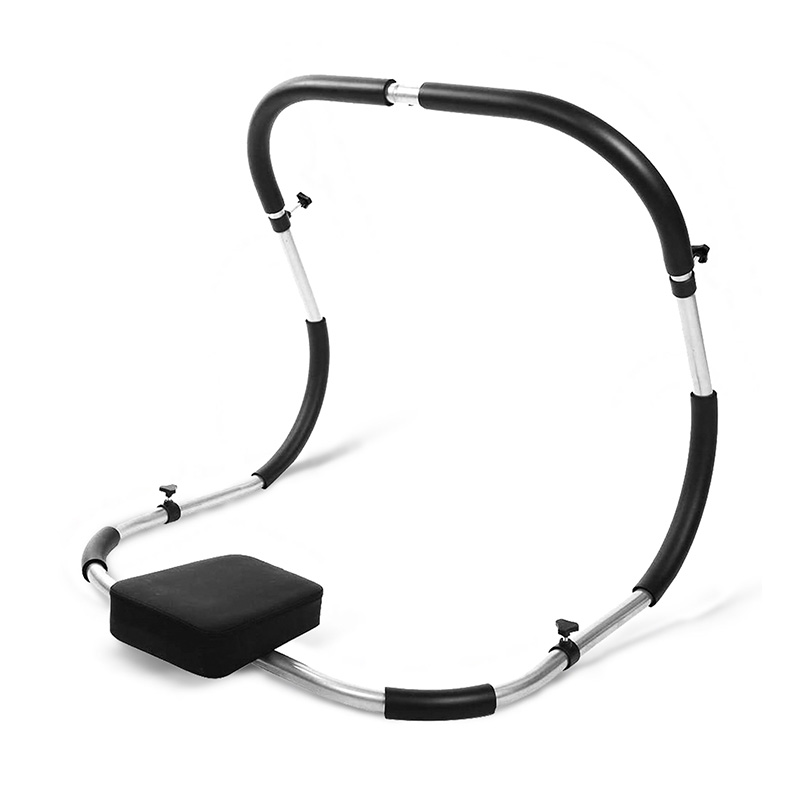 Ultimate Core Strength Ab Roller for Effective Home Workouts1. Simple design: The abdominal wheel is usually made of high-quality engineering plastics or other durable materials, with a simple and elegant design and beautiful a...View Product →
Commercial buyers face a different problem: durability and repeatability across dozens of stations. Nantong Dingfeng Fitness Equipment has manufactured strength and cardio equipment since 2009, with more than 200 employees, two plants covering 44,000 square meters, and an annual output of roughly 400,000 units. That kind of scale matters when you are specifying strength training equipment for an entire core and free-weight zone, because racks, dumbbell sets and benches need to arrive as a matched, replaceable range rather than as one-off items.
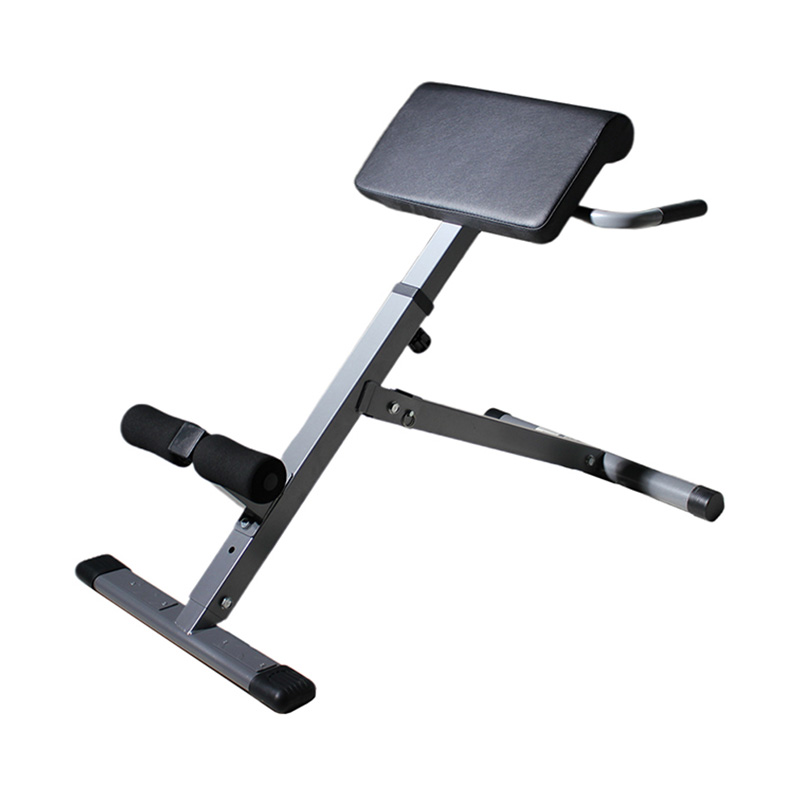
If your programme pairs loaded core work with lower-back accessory training, a Roman chair earns its place on the floor plan. Frame tolerances, pad thickness and adjustability are the three details that decide whether it survives daily commercial use, and our Roman chair buyer's guide walks through what to check before a purchase order goes out.
Mistakes That Stall Weighted Core Progress
- Loading before bracing. If the ribs flare or the lower back arches, reduce the weight rather than the standard.
- Chasing reps over load. Forty sloppy crunches do not outperform 12 controlled reps with a dumbbell on the chest.
- Training the core every day. Two or three quality sessions beat seven fatigued ones.
- Skipping carries. Loaded carries build trunk stability in minutes and transfer directly to squats and presses.
- Rushing the lowering phase. Two to three seconds on the eccentric is where much of the tension in loaded flexion lives.
- Jumping load weekly. A two-week progression cycle leaves room for recovery and keeps positions honest.
Pick four movements from the list above: one anti-extension, one anti-rotation, one carry and one loaded flexion exercise. Keep them for eight weeks, and add 5 lb whenever the top of the rep range still feels controlled. That single change in resistance is the difference between moving your abs and actually making them stronger.