English
 Deutsch
 中文简体
中文简体Content
Picture a home gym holding a power rack, a 2.2 m bar, a pair of adjustable dumbbells and about 40 minutes of usable training time. The owner does not need 40 exercises. A workable compound workout list for that setup is nine movements long, and two of them can be swapped out every six weeks without touching the rest of the plan.
That is the whole logic of compound training: fewer movements, more joints working per repetition, and a training week that still fits around work and family. Seven movement patterns cover the entire body; a carry and a power pattern finish the list. Everything else - sets, reps, rest periods, bar diameter, rack footprint - exists to support those nine choices rather than replace them.
What Makes an Exercise Compound
An exercise is compound when it moves two or more joints under load while a large prime mover does the work and smaller stabiliser muscles hold the position. A standing overhead press counts: the ankles, knees, hips, spine and shoulders all resist movement while the bar travels overhead. A seated machine press does not, because the machine holds your position for you.
Three practical checks sort a candidate list quickly:
- Joint count: knee and hip both bend in a squat; only the elbow moves in a curl.
- Stabiliser demand: standing variations ask far more of the trunk than seated or supported versions.
- Load potential: a compound lift can be progressed in small steps, and 2.5 kg per side is a normal jump on an Olympic bar.
Isolation work is not useless. It simply belongs after the compound lifts, as two to four sets of accessories, never as the anchor of a session.
The Compound Workout List: Nine Movement Patterns
Treat the table below as a menu rather than a fixed routine. One lift from each of the first seven rows, plus a carry, already forms a complete full-body session.
| Pattern | Example lifts | Main muscles | Equipment |
|---|---|---|---|
| Squat | Back squat, front squat, goblet squat | Quads, glutes, trunk | Rack plus 20 kg bar or one dumbbell |
| Hinge | Deadlift, Romanian deadlift, kettlebell swing | Hamstrings, glutes, spinal erectors | Bar, kettlebell or heavy dumbbell |
| Single leg | Walking lunge, Bulgarian split squat, step-up | Quads, glutes, balance | Dumbbells plus a bench |
| Horizontal push | Bench press, dumbbell press, push-up | Chest, triceps, front delts | Bench plus bar or dumbbells |
| Vertical push | Overhead press, push press, pike push-up | Shoulders, triceps, trunk | Bar or dumbbells |
| Horizontal pull | Barbell row, one-arm dumbbell row, inverted row | Lats, mid-back, biceps | Bar or dumbbells |
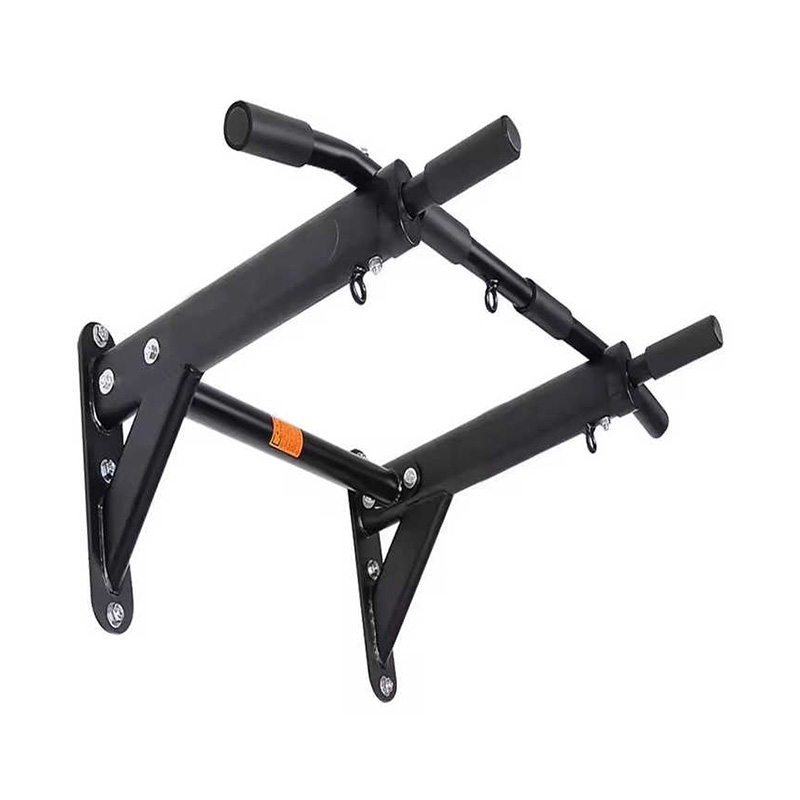
| Vertical pull | Pull-up, chin-up, lat pulldown | Lats, biceps, grip | Pull-up bar or power rack |
| Carry | Farmer's carry, front-rack carry, suitcase carry | Grip, traps, trunk | Two heavy dumbbells or kettlebells |
| Power | Box jump, jump squat, sled push, kettlebell clean | Hips, quads, fast-twitch fibres | Jump box, sled or kettlebell |
Without a barbell, the same nine patterns survive in a bodyweight version: push-ups and dips for the pushes, inverted rows and pull-ups for the pulls, pistol squats and split squats for the legs, single-leg hip bridges for the hinge, hollow-body holds for the carry slot and broad jumps for power.
Sets, Reps and Rest for the List
Once the movements are chosen, the numbers decide whether the list builds strength or just fatigue. The parameters below work for most lifters who train two to four times per week.
| Goal | Sets | Reps | Rest |
|---|---|---|---|
| Maximal strength | 4-6 | 3-5 | 3-5 min |
| Muscle size | 3-4 | 8-12 | 90-120 s |
| General strength and fat loss | 3-4 | 6-10 | 90 s |
| Conditioning | 2-3 | 12-20 | 45-60 s |
Four to six compound lifts per session is the practical ceiling. Beyond that, sessions stretch past 90 minutes and technique fails in the last two movements, which is exactly where most injuries happen. Leave 48 hours between sessions that load the same pattern heavily, and add reps before adding plates - once you hit the top of the rep range on every set, a 2.5 kg increase is justified.
Equipment That Keeps the List Trainable
The list is only as trainable as the equipment behind it. A compound program needs three things above all: something to squat and press inside, something to load progressively, and enough plates to keep the jumps small.
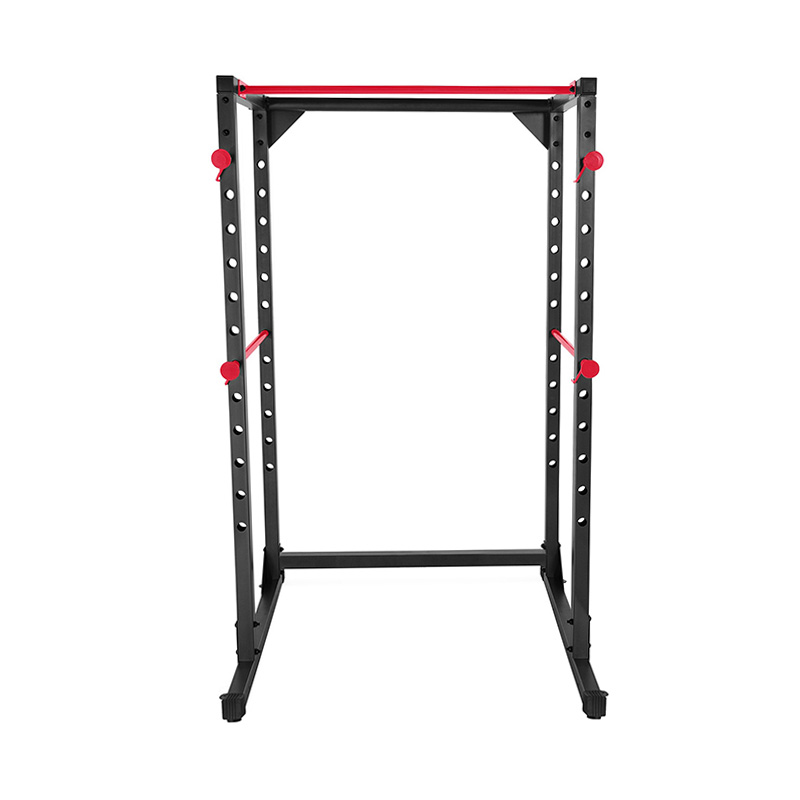
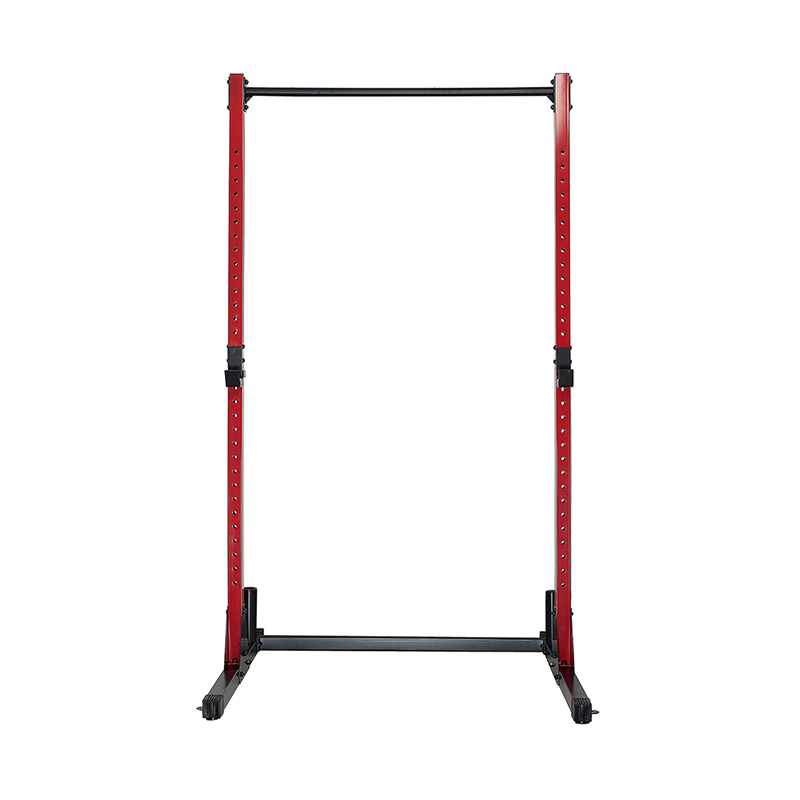
A power rack does four jobs at once - squat stand, bench station, pull-up frame and safety net when a rep fails. Look for 50 x 50 mm uprights with 2-3 mm wall thickness and J-cups that sit tight against the upright, because loose cups rattle and chew the bar shaft. The footprint is normally 1.2-1.5 m wide, so plan roughly 3 m of clear wall width for a 2.2 m bar, plus 60 cm behind the lifter.
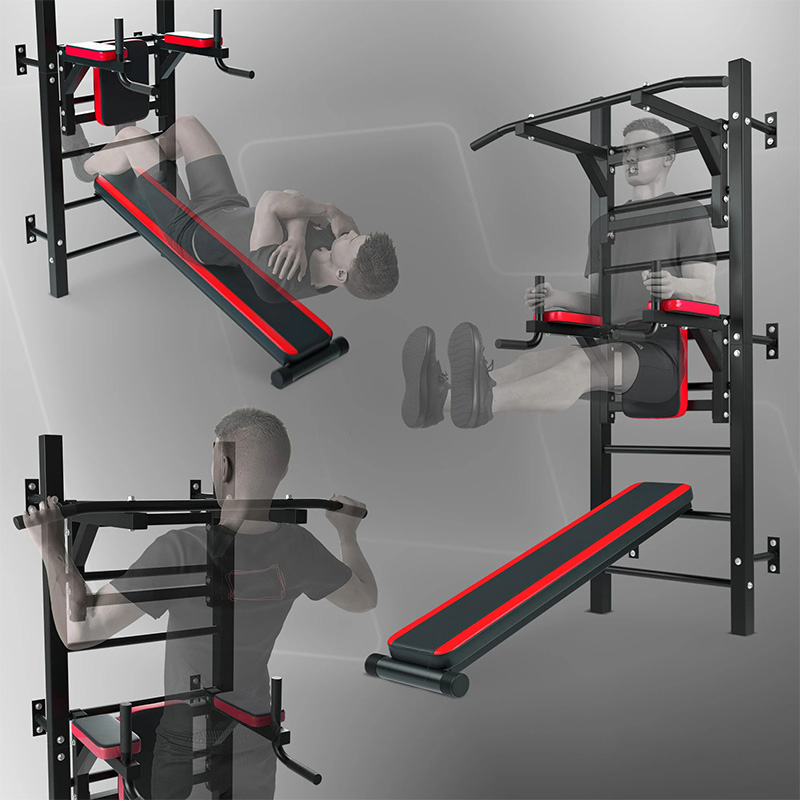 MENCIRO Multifunctional Power Cage Combination for Full-Body Strength TrainingCompact five-station power cage with squat, bench, pull-up, dip, and landmine options, plus adjustable safety bars for home or studio strength workouts.View Product →
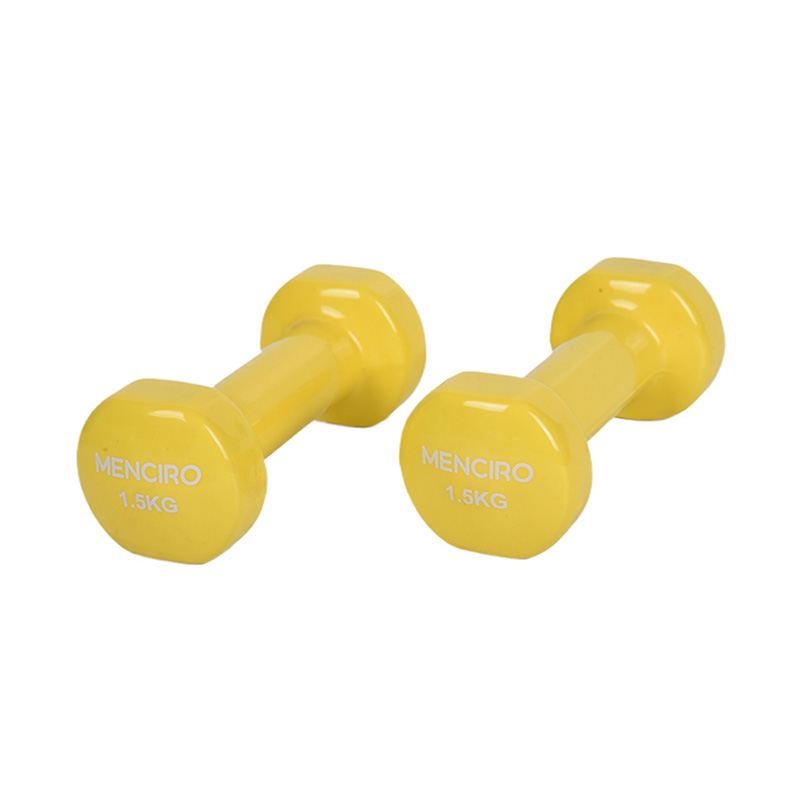
For dumbbell work, rubber-coated hex dumbbells survive drops on concrete far better than painted steel and keep their shape after years of rows and presses. A series that steps 2.5 kg at a time across 5-30 kg covers beginners and most intermediate lifters. Handle diameter of 32-34 mm suits average hand size, and knurling should be noticeable without being sharp enough to tear calluses.
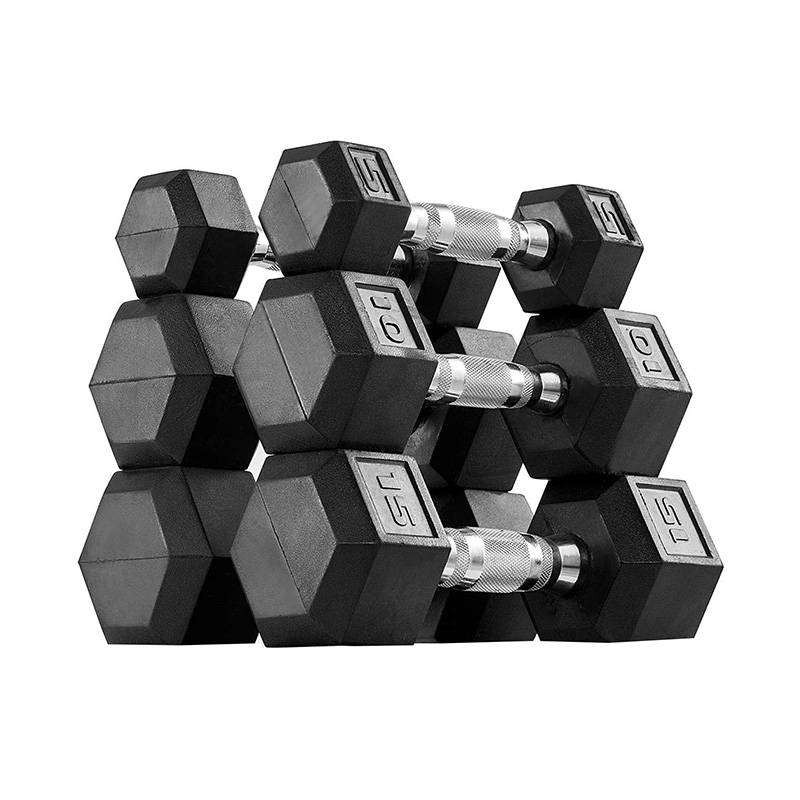 MENCIRO Black Multi-Sized Rubber Dumbbell Set for Strength TrainingHex rubber dumbbells with multiple weight options, clear number markings, and cushioned, wear-resistant coating for stable stacking and varied strength or functional training.View Product →
Kettlebells, a flat-to-incline bench, an ab roller for anti-extension work and a jump box for power work complete the setup. Where floor space is tight, an aerobic step platform can stand in for the box during step-ups and conditioning intervals without changing a single line of the list.
Specs Worth Comparing Before You Order in Volume
Buyers comparing compound-training equipment across suppliers should place four numbers side by side before a first order is confirmed:
- Sleeve diameter: 50 mm Olympic versus 25 mm standard. Plates are not interchangeable, and mixed orders create spare-part problems two seasons later.
- Shaft diameter: 28 mm suits multi-purpose bars, while 29-32 mm gives the stiffer feel powerlifters expect.
- Load rating: a 2.2 m bar rated at 500 lb covers nearly all commercial floor use, including rack pulls.
- Coating: hard chrome holds up better than black oxide in humid gyms, while zinc sits between the two on cost.
Shaft, knurl and coating trade-offs are covered in more detail in this Olympic bar buying guide. Weight tolerance is the other number worth requesting: plus or minus 3 per cent on a 20 kg dumbbell is normal, and tightening that to 1 per cent raises unit cost noticeably. Check that rack welds are ground and re-coated rather than painted over, since paint hides porosity that shows up as rust within a year.
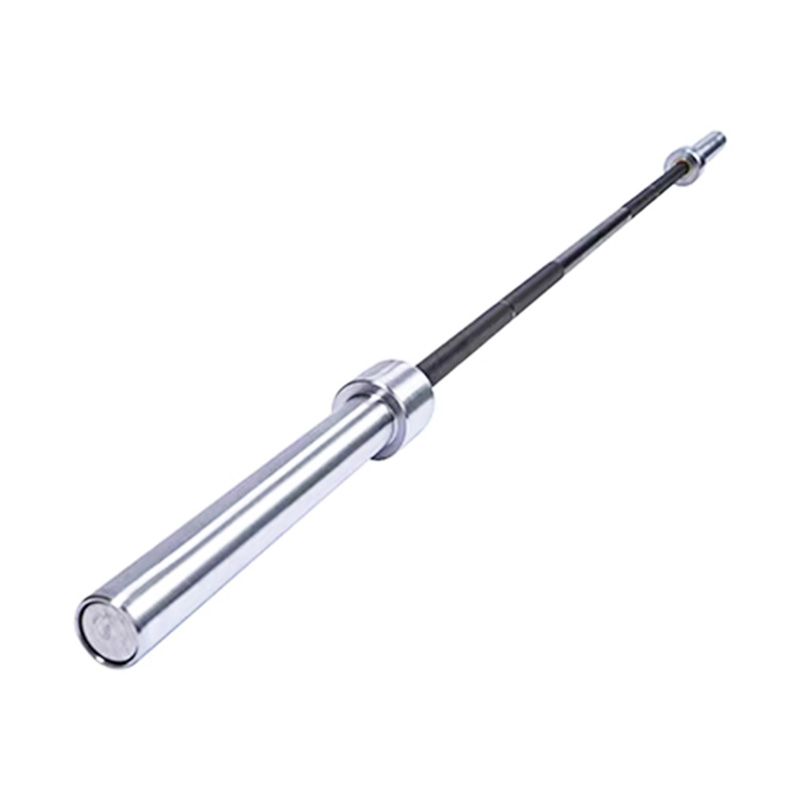 MENCIRO 2.2m 500lb Olympic Barbell with Black Middle PartCompetition-style Olympic bar with chrome sleeves, black oxide center, aggressive knurling, and dual bearings for powerlifting, weightlifting, and varied strength programming.View Product →
Mistakes That Quietly Break the List
Most stalled programs are not short of exercises. They are short of structure. The five habits below account for a large share of the problems:
- Running identical exercise order for months. Rotate two or three variations inside the same pattern every six weeks.
- Stacking eight to ten compound lifts in one session. Quality collapses in the final third.
- Skipping the pull patterns. Two pushes for every pull eventually shows up as cranky shoulders and elbows.
- Adding weight before the top of the rep range is reached on every set.
- Jumping straight to working weight with one light set. Two ramp-up sets at roughly 40 and 60 per cent cost four minutes and protect the whole session.
A short list also makes progress visible. When the same nine movements appear in the log for twelve weeks, a 5 kg gain on the bar or two extra pull-ups is easy to spot, and that visibility is what keeps people training.
A compound workout list that fits on one page beats a fifty-exercise spreadsheet every time. Choose one lift per pattern, load it in small steps, keep four to six movements per session, and let the accessories fill whatever time is left.
For gym operators, importers and brand owners assembling complete training zones, the strength and conditioning equipment range covers bars, power racks, benches, dumbbell series, kettlebells and sleds from a single manufacturing source, which keeps plating, tolerances and packaging consistent across an entire order.