In the field of strength training and bodyweight fitness, the pull up bar has always been considered the "gold standard" equipment for measuring physical fitness. It is not only a powerful tool for developing back muscles but also a cornerstone for overall upper body strength and core stability.
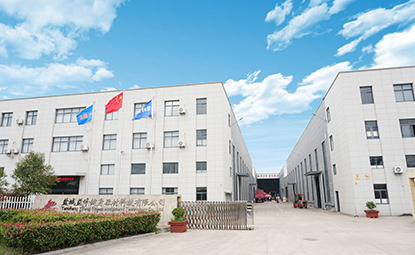
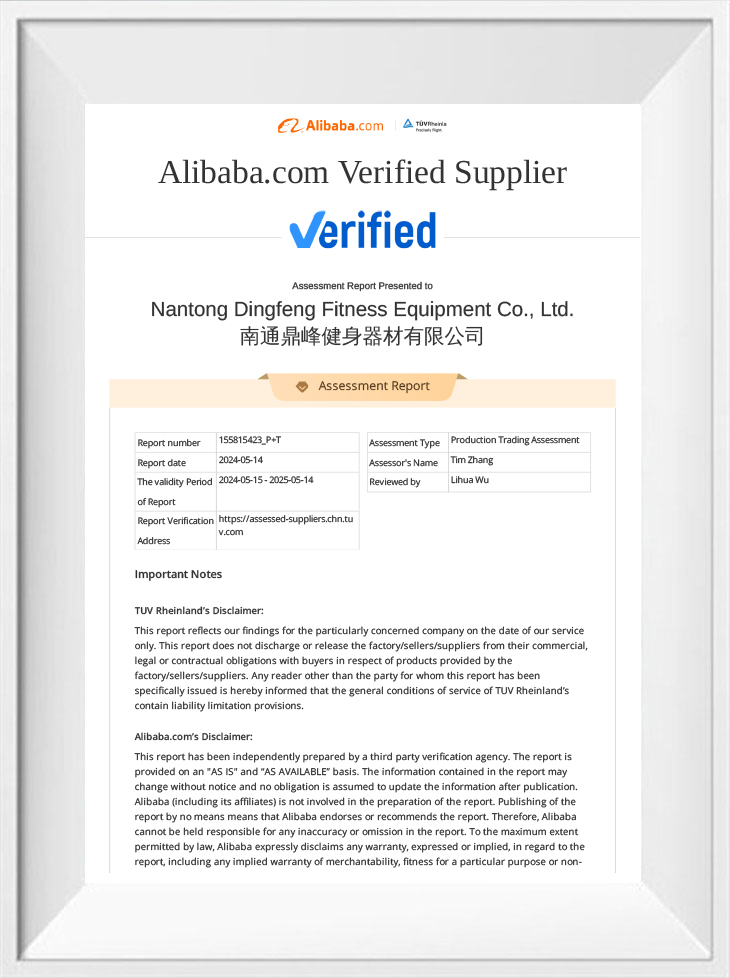
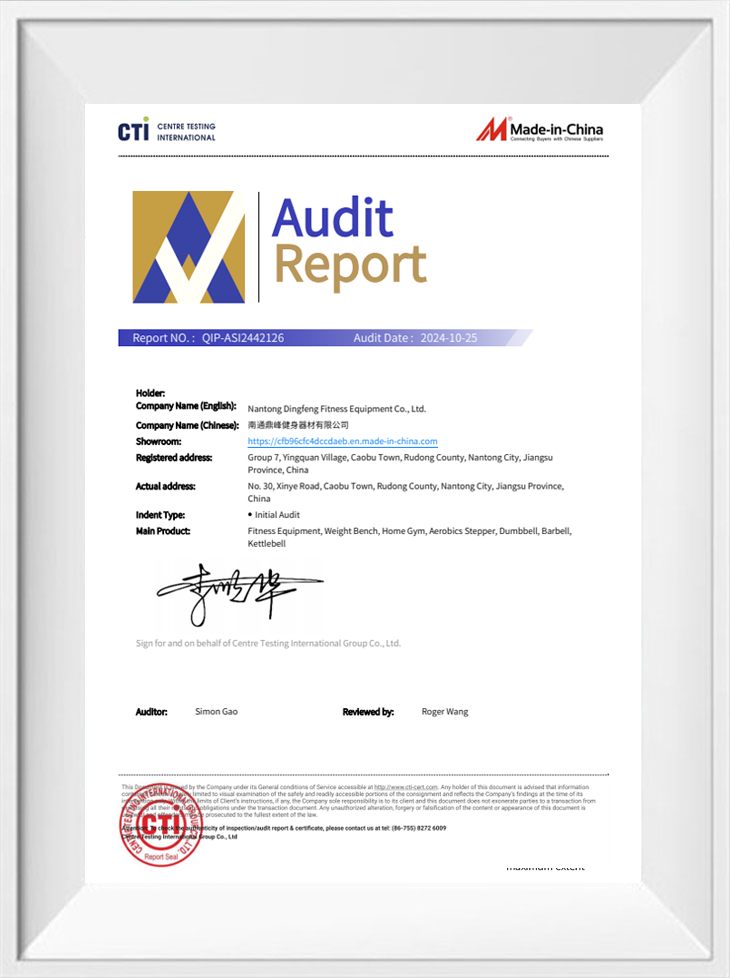
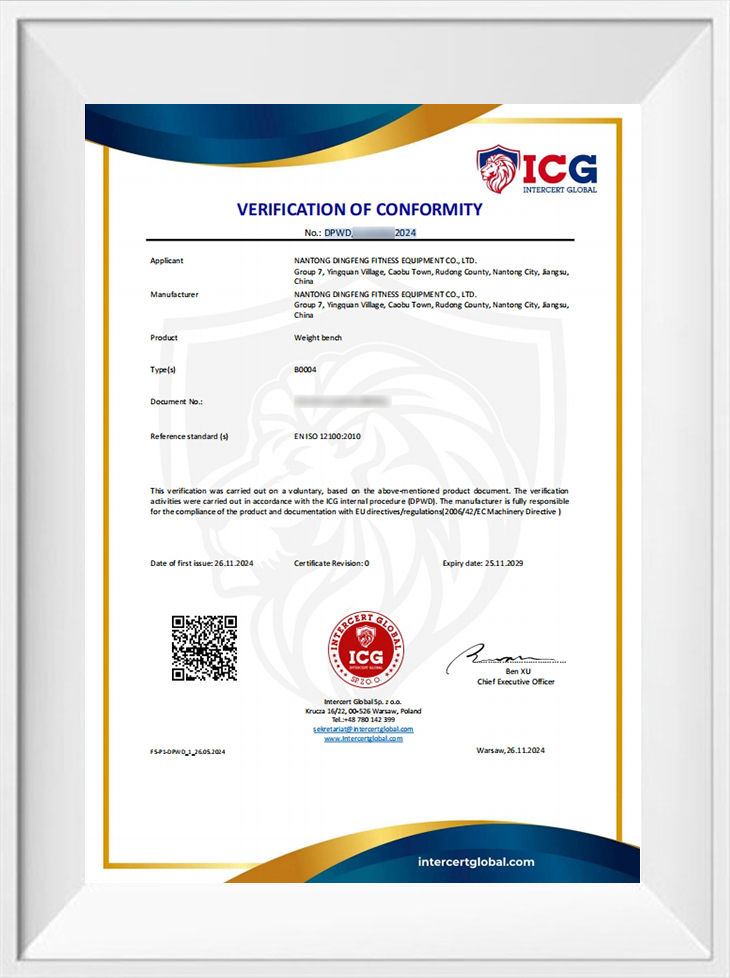
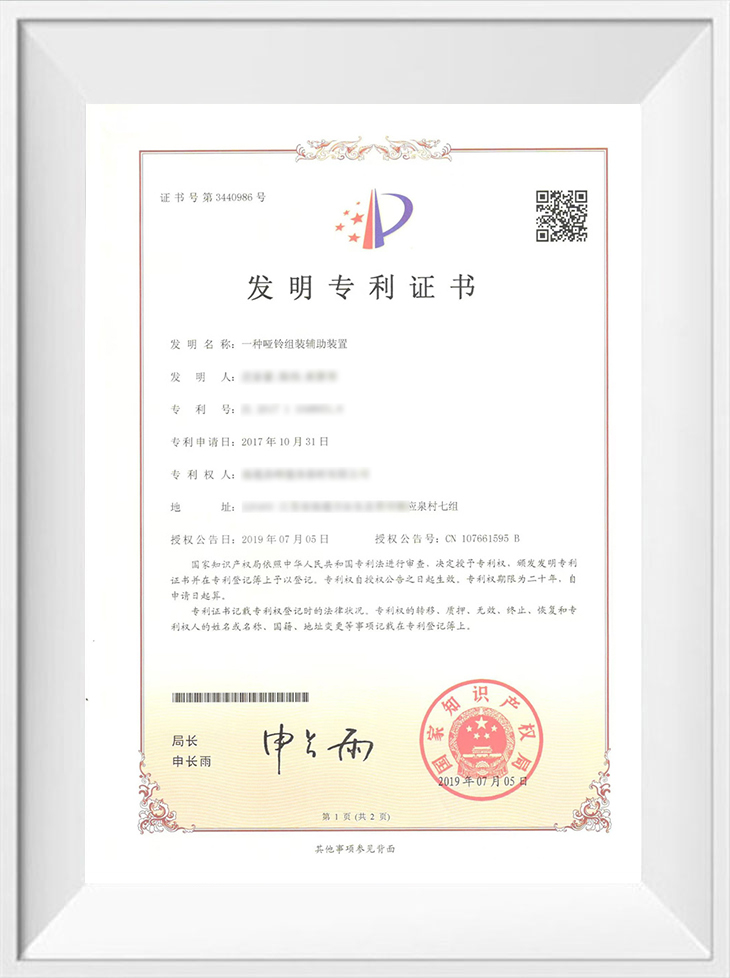
Nantong Dingfeng Fitness Equipment Co., Ltd. has been deeply rooted in the fitness equipment industry for many years, consistently embedding the philosophy of "craftsmanship achieving perfection" into its product development. Through continuous research and development investment and technological innovation, the company has accumulated profound expertise in the structural mechanics and material applications of pull up equipment.
Core Structure and Design Evolution
The design of a pull up bar is not simply a combination of steel pipes; it involves precise ergonomic considerations.
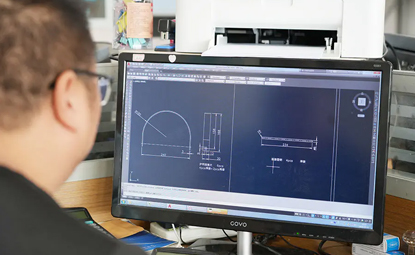
Mechanically Stable Structure: High-quality pull up equipment must possess excellent torsional resistance. During the research and development process, Dingfeng Fitness focused on optimizing the distribution of stress points, ensuring that the frame remains rock-solid under high-frequency, high-intensity dynamic loads.
Multi-dimensional Grip Design: Modern pull up bars are no longer limited to a single overhand or underhand grip. By incorporating parallel grips and wide-angle designs, different muscle groups of the latissimus dorsi, teres major, and biceps can be activated more precisely.
Surface Treatment Technology: The coating technology of the grip bar directly affects the training experience. Using micron-level spraying technology provides the necessary friction to prevent slipping while protecting the skin of the palms from excessive wear and tear – this is the essential difference between professional manufacturing and ordinary workshops.
Classification and Application Scenarios of pull up Bars
According to the installation method and training purpose, pull up equipment is usually divided into the following categories:
1. Wall-Mounted Type
This is the preferred choice for professional gyms and serious home fitness enthusiasts. By fixing the bracket to a load-bearing wall with expansion bolts, it can withstand extremely high dynamic impact forces, suitable for explosive strength training (such as muscle-ups).
2. Door Frame Hanging Type
This type utilizes the lever principle or telescopic structure for fixation. Its advantage is that it requires no drilling and is easy to install. In the iteration of this category, Nantong Dingfeng has specifically strengthened the material of the protective pads to protect home decorations from pressure marks. 3. Floor-Standing Modular Structure
This type of equipment typically integrates features such as parallel bar supports and backrests. Its independent support structure frees it from environmental limitations, making it the core component of a multi-functional home gym.
Overview of Key Technical Specifications
To facilitate comparison of different pull up bar configurations, the following summarizes the core dimensions used to measure the professionalism of the equipment:
| Dimension |
Professional Standard |
Dingfeng Technical Empowerment |
| Steel Selection |
High-strength carbon structural steel |
Reinforced architecture supported by 12 utility model patents |
| Grip Diameter |
Ergonomic diameter optimized for Asian hand morphology |
Balancing grip tactile feedback with neural drive efficiency |
| Welding Process |
Full-automatic seamless fish-scale welding |
Enhanced structural rigidity preventing stress concentration fractures |
| Static Spraying |
Eco-friendly matte granular finish |
Corrosion resistance and scratch protection with anti-slip performance |
Training Efficiency and Biomechanics
From a biomechanical perspective, pull-ups are a complex movement involving the coordinated work of multiple joints. A well-designed pull-up bar can help trainees:
Optimize scapular movement: Appropriate bar spacing allows for full depression and retraction of the scapula during the initial phase of the movement.
Reduce wrist stress: The curved bar design helps alleviate the lateral shear stress on the wrists during wide-grip pull-ups.
Increase core engagement: A stable frame allows trainees to focus on controlling their center of gravity rather than being distracted by balancing a shaky piece of equipment.
Nantong Dingfeng invests 8% of its annual revenue in researching these subtle differences, aiming to make each pull-up more aligned with the body's natural movement trajectory through product iteration and upgrades.
Frequently Asked Questions (FAQ)
Q: How can I determine if my wall is suitable for installing a fixed pull-up bar?
A: It must be installed on a solid load-bearing wall (such as a brick or concrete wall). Hollow brick walls, foam brick walls, or drywall partitions are not strong enough to withstand dynamic loads and pose a safety hazard.
Q: Is a thicker grip bar better?
A: Not necessarily. An excessively thick grip bar will severely test your grip strength, causing your forearms to fatigue before your back muscles. A bar that is too thin can cause discomfort. Professional equipment usually uses a standard diameter based on the average hand size.
Q: How should I determine the installation height?
A: The ideal height is when the user's fingertips can just touch the bar when their arms are naturally raised. This ensures that the feet are off the ground when hanging and that there is enough head clearance at the top of the movement.
Q: How can I prevent rust on indoor equipment?
A: The key is the initial coating process. Nantong Dingfeng uses multi-layer electrostatic powder coating technology, which is not only aesthetically pleasing but also forms a dense protective layer on the metal surface, effectively isolating it from sweat and moisture in the air.


 English
 Deutsch
 中文简体
中文简体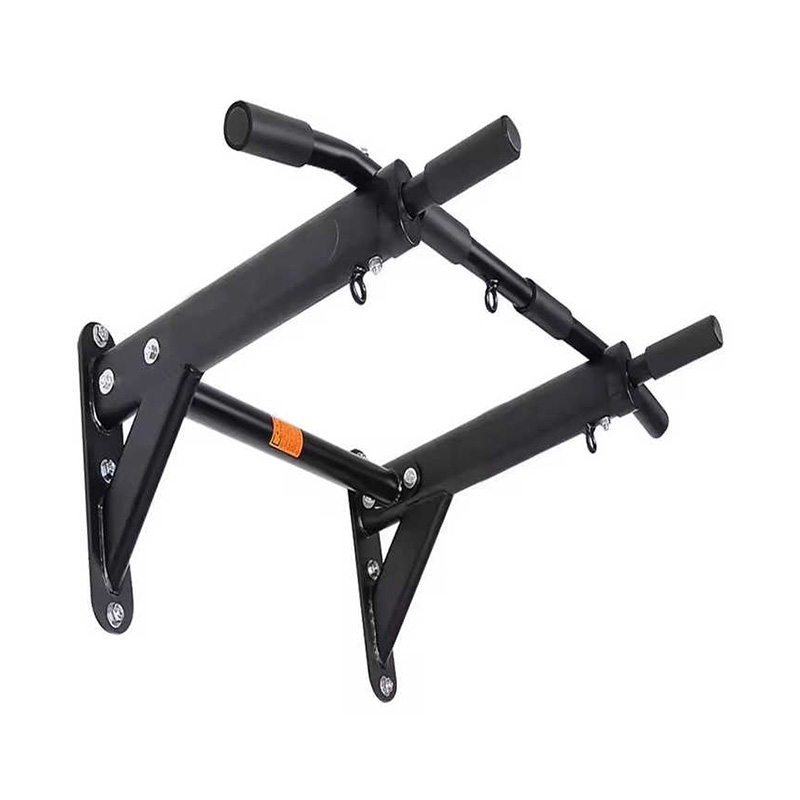 Black Pull-up Bar, Fitness Equipment for Strength and Stamina Training D0021
 Black Pull-up Bar for Arm Strength Training D0022