English
 Deutsch
 中文简体
中文简体Content
Essential Categories of Basic Gym Equipment
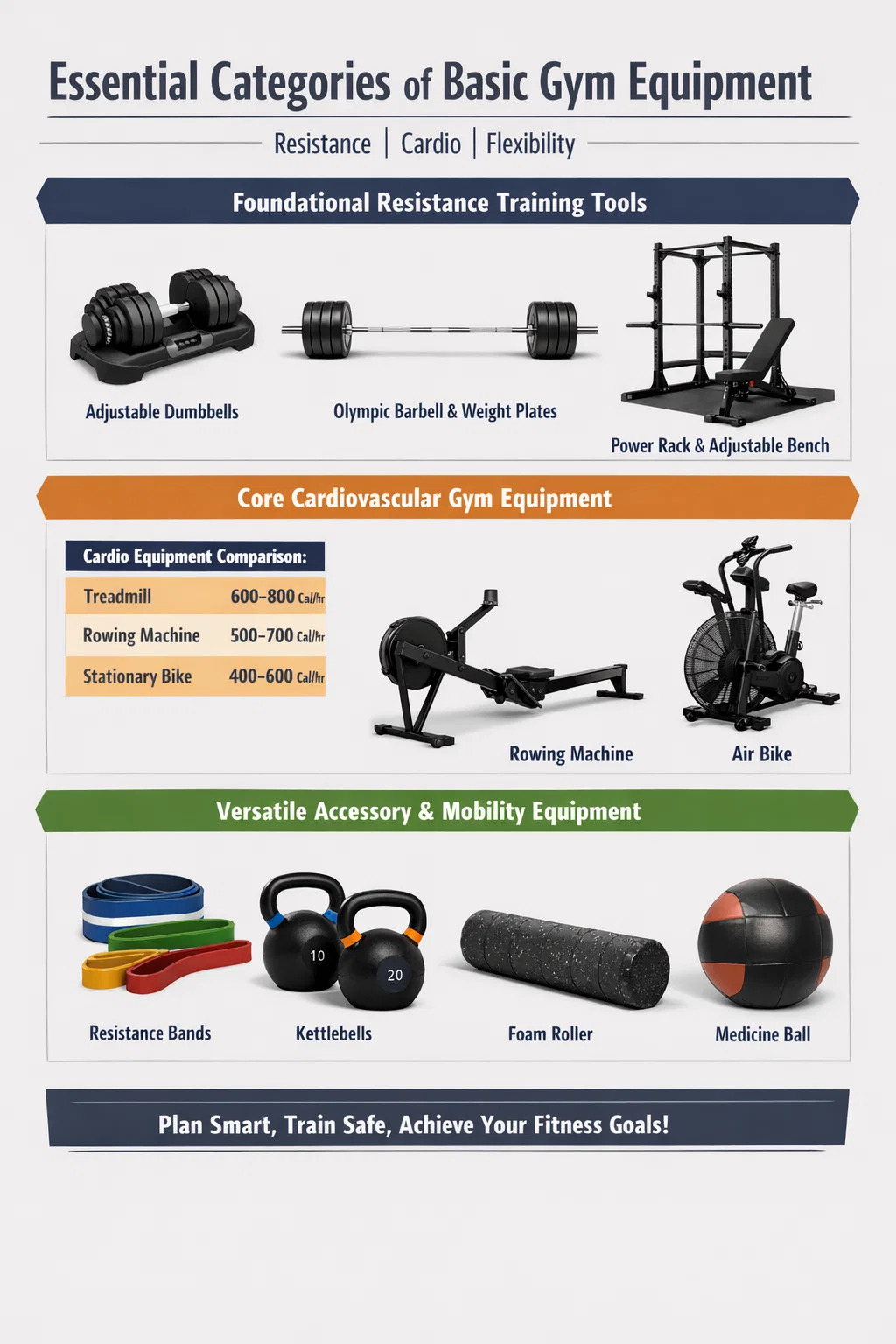
To build a functional fitness space, basic gym equipment must cover three pillars of physical training: resistance, cardiovascular endurance, and flexibility. At a minimum, this includes a set of dumbbells, an adjustable bench, a pull-up bar, and a jump rope or treadmill. These tools allow for a full range of compound movements that target every major muscle group while providing the mechanical tension necessary for hypertrophy and fat loss.
By focusing on multi-functional gym equipment, you maximize utility in limited space. For instance, a single adjustable barbell can facilitate over 50 different exercises, making it a more efficient investment than specialized isolation machines for those starting their fitness journey.
Foundational Resistance Training Tools
Resistance training is the cornerstone of metabolic health. Research indicates that just two sessions of resistance training per week can reduce the risk of all-cause mortality by up to 46%. The following items are the industry standards for building strength.
Dumbbells and Barbells
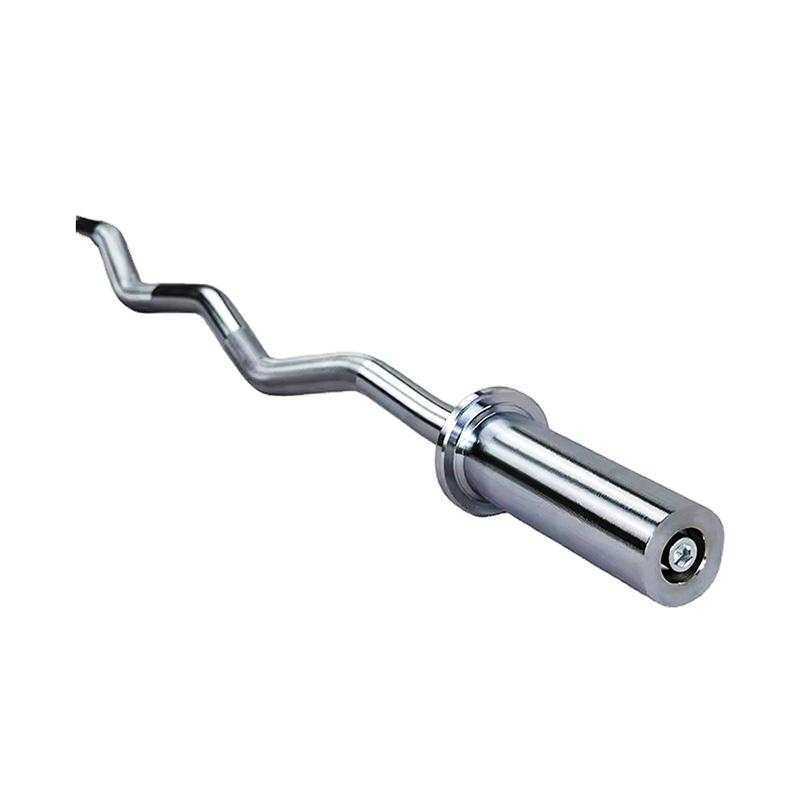
Free weights are unparalleled because they force the body to use stabilizer muscles. A barbell is essential for heavy compound lifts like the squat and deadlift. Dumbbells, on the other hand, allow for unilateral training, which helps correct muscle imbalances. For home setups, adjustable dumbbells are highly recommended as they replace an entire rack of fixed weights, saving significant square footage.
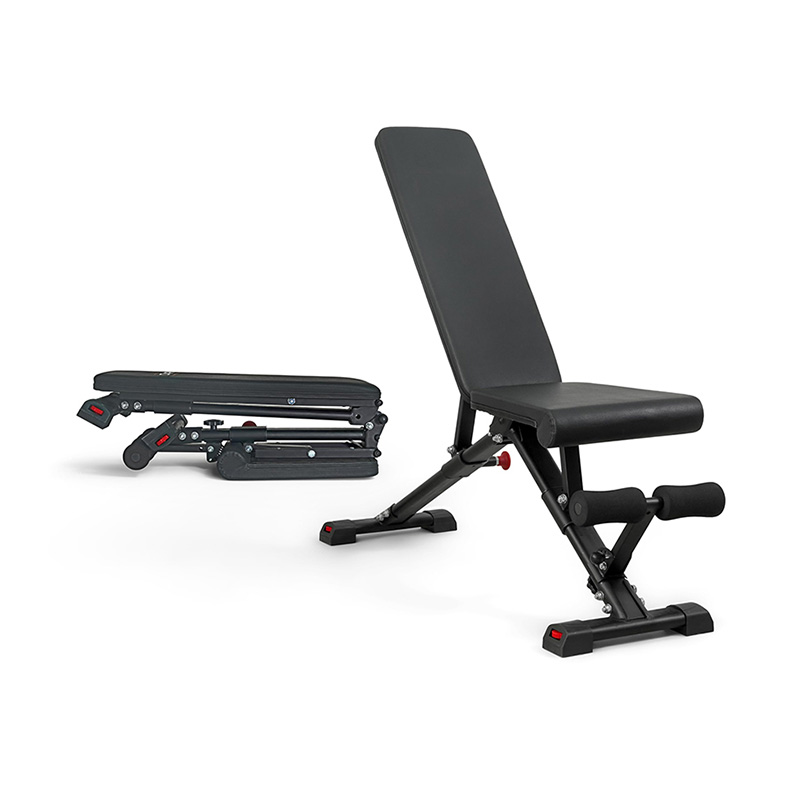
Adjustable Weight Bench
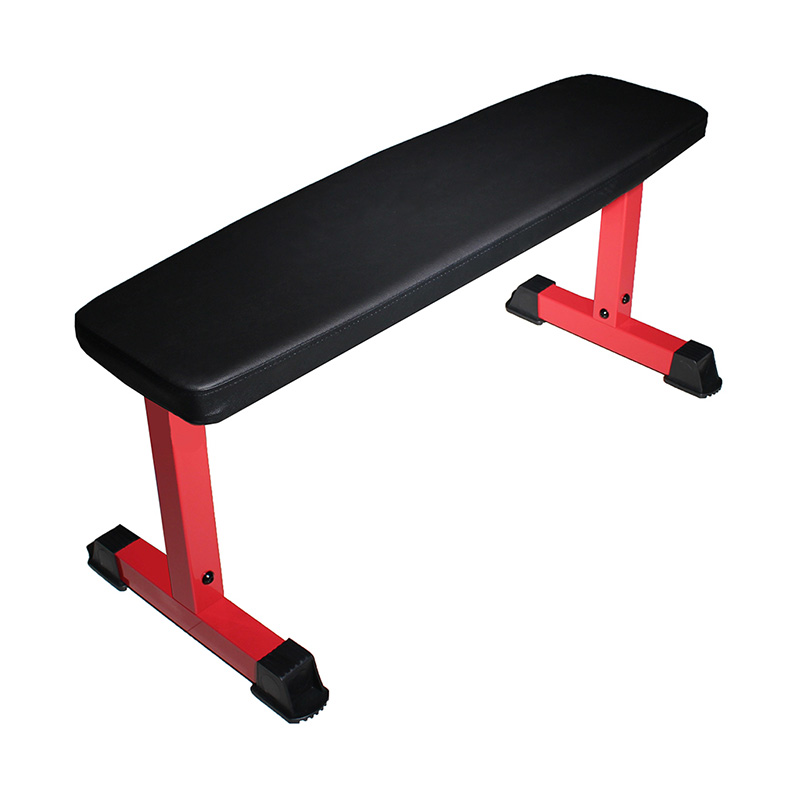
A sturdy bench is non-negotiable for chest presses, seated rows, and step-ups. An adjustable bench that offers flat, incline, and decline positions is superior to a flat bench because it allows you to target different portions of the muscle. For example, incline presses emphasize the clavicular head of the pectoralis major, providing a more complete chest development.
Power Rack or Squat Stand
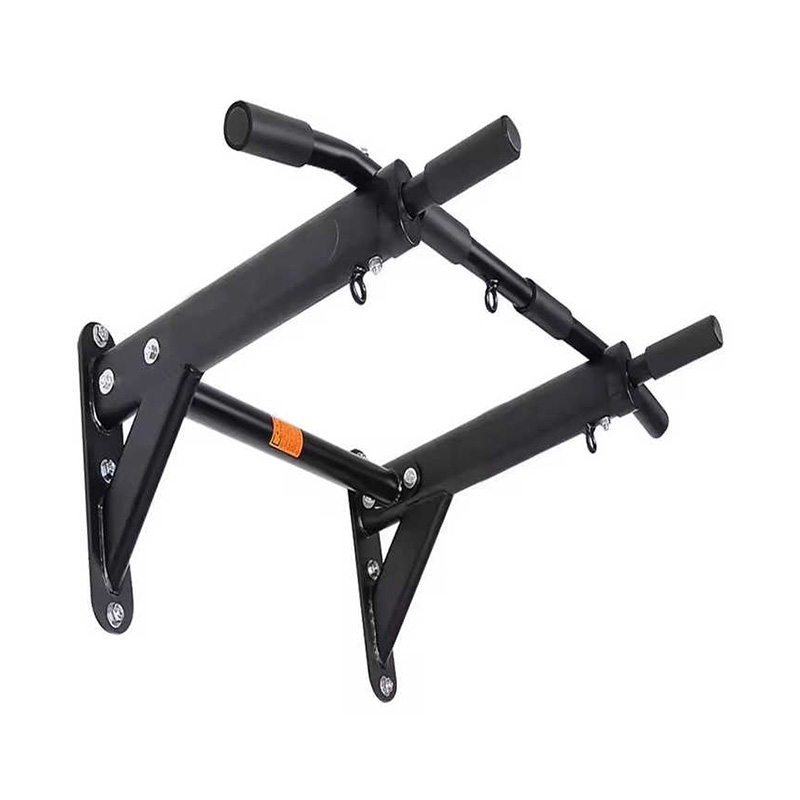
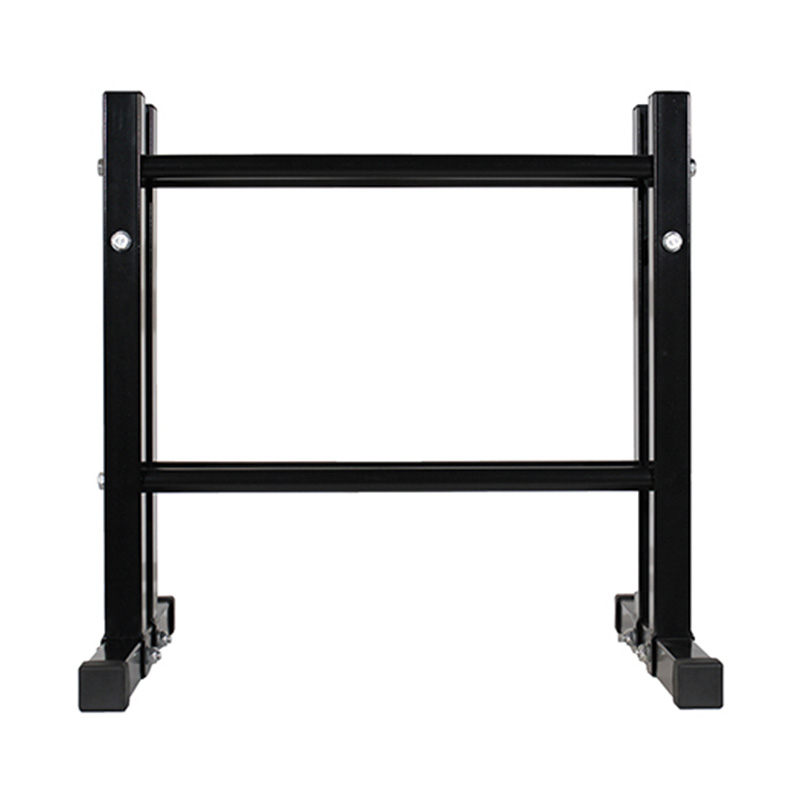
The power rack is the "safety hub" of the gym. It features adjustable safety pins that catch the barbell if you fail a lift. This is critical for solo trainers performing heavy squats or bench presses. Many racks also come equipped with a multi-grip pull-up bar, adding a vertical pulling component to your routine.
Core Cardiovascular Gym Equipment
Cardio tools are vital for heart health and caloric management. While running outside is free, indoor gym equipment provides data tracking (heart rate, wattage, and pace) that is essential for progressive aerobic training.
| Equipment Type | Main Muscle Groups | Impact Level | Calories per Hour (Approx.) |
|---|---|---|---|
| Treadmill | Quads, Glutes, Calves | High | 600-800 |
| Rowing Machine | Back, Core, Legs | Low | 500-700 |
| Stationary Bike | Legs | Very Low | 400-600 |
Air Bikes and Rowers
Rowing machines are often cited as the most efficient gym equipment because they utilize 86% of the body's muscles. For those focused on High-Intensity Interval Training (HIIT), the air bike is a superior choice as the resistance increases exponentially with the speed of the user.
Versatile Accessory and Mobility Equipment
Basic gym equipment is not limited to heavy machinery. Small accessories can drastically change the difficulty of a workout through different resistance profiles or by targeting neglected muscle groups.
- Resistance Bands: These are vital for warming up the rotator cuffs and glutes. They provide lateral tension that traditional weights cannot.
- Kettlebells: Ideal for "functional" movements like swings and Turkish get-ups. A single 16kg kettlebell is often enough for a beginner to achieve a full-body workout.
- Foam Rollers: Crucial for recovery. SMR (Self-Myofascial Release) helps in reducing muscle soreness and improving blood flow after a session.
- Medicine Balls: Used primarily for power and core strength, medicine balls are perfect for explosive movements like wall balls or slams.
Planning Your Gym Setup
When deciding what gym equipment to prioritize, consider the hierarchy of training. If your goal is fat loss, prioritize cardio and high-repetition kettlebell work. If your goal is strength, the barbell and rack are your most important assets. High-quality gym equipment should last a lifetime; look for steel construction with powder coating and avoid plastic moving parts on load-bearing components.
Safety should always be the priority. Ensure that floor mats are installed to protect both the equipment and the subfloor, especially when using heavy free weights that may be dropped.