English
 Deutsch
 中文简体
中文简体Content
Direct Answer: What Defines Modern Fitness Equipment?
Fitness equipment encompasses a vast range of devices and apparatuses designed to facilitate physical exercise and improve health outcomes. These tools are generally categorized into cardiovascular machines (like treadmills), strength training gear (like dumbbells), and flexibility/recovery aids (like foam rollers). Selecting the right fitness equipments depends on specific physiological goals, such as increasing metabolic rate, hypertrophy, or enhancing joint mobility.
Essential Cardiovascular Fitness Equipments
Cardiovascular equipment is engineered to stimulate the heart and lungs, increasing the body's aerobic capacity. These machines are the most common fixtures in both commercial and home gyms due to their efficiency in calorie expenditure.
Treadmills and Running Decks
The treadmill is a staple of aerobic conditioning. Modern units offer variable inclines that can increase calorie burn by 10% to 15% for every degree of elevation. They provide a controlled environment for walking, jogging, or sprinting, which is essential for consistent metabolic conditioning regardless of outdoor weather conditions.
Stationary and Indoor Cycling Bikes
Indoor cycles come in several formats: upright, recumbent, and air bikes. Air bikes, specifically, utilize a fan to create wind resistance, meaning the harder you pedal, the higher the resistance. This makes them an elite tool for High-Intensity Interval Training (HIIT), often burning over 20 calories per minute during maximum effort sprints.
Rowing Machines (Ergometers)
Rowers are unique because they engage roughly 86% of the body's musculature in a single stroke. This includes the legs, core, and upper body. Because it is a low-impact movement, it is highly recommended for individuals looking to protect their knee joints while maintaining a high heart rate.
Strength Training and Resistance Gear
Strength-based fitness equipments are designed to provide resistance against which muscles must contract. This resistance can come from gravity (free weights), friction, or mechanical tension.
Free Weights: Dumbbells and Barbells
Free weights remain the gold standard for building functional strength. Unlike machines, dumbbells require the use of stabilizer muscles to control the path of motion. A standard Olympic barbell, weighing 20kg (approx. 44lbs), allows for progressive overload in compound movements like squats and deadlifts.
Kettlebells
Kettlebells differ from dumbbells due to their offset center of mass. This design makes them superior for ballistic movements such as the kettlebell swing, which has been shown in clinical studies to improve both explosive power and grip strength significantly more than traditional isolation exercises.
Resistance Bands
Often underrated, resistance bands provide "ascending resistance," meaning the tension increases as the band is stretched. They are highly portable and effective for rehabilitating joints or adding intensity to bodyweight movements.
Equipment Comparison for Specific Fitness Goals
To help you decide which tools to prioritize, the following table compares common fitness equipments based on their primary training effect and difficulty level.
| Fitness Equipment | Primary Benefit | Impact Level | Calorie Burn Rate |
|---|---|---|---|
| Treadmill | Cardio Endurance | High | High |
| Dumbbells | Muscle Hypertrophy | Low | Moderate |
| Elliptical | Low-Impact Cardio | Very Low | Moderate |
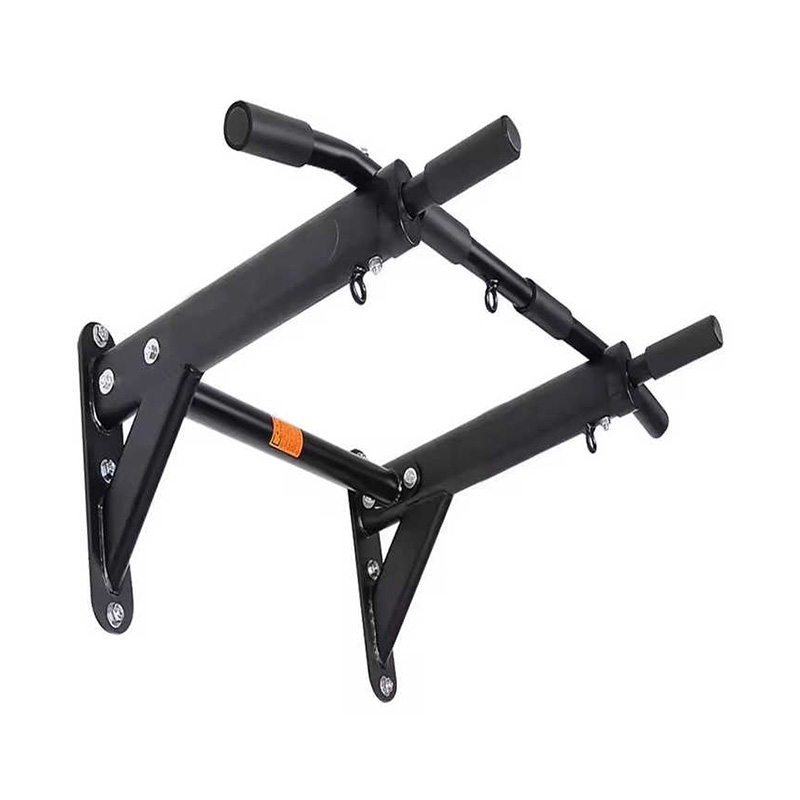
| Pull-up Bar | Upper Body Strength | Low | Low to Moderate |
Flexibility, Mobility, and Recovery Tools
Recovery is a critical pillar of any fitness regimen. Without the appropriate fitness equipments for downtime, the risk of overuse injuries increases by nearly 30% in high-frequency trainers.
Foam Rollers and Massage Balls
Foam rollers are used for self-myofascial release (SMR). By rolling over tight muscle tissue, users can break up adhesions and improve blood flow to the area, which accelerates the removal of metabolic waste like lactic acid.
Yoga Mats and Blocks
A high-quality yoga mat provides the necessary traction and cushioning for floor work. Blocks serve as "extensions" for those with limited flexibility, allowing them to perform stretches correctly without straining. Correct form in stretching is just as vital as correct form in weightlifting.
Key Factors to Consider Before Purchasing
When selecting which fitness equipments to add to a personal collection or gym, keep the following practicalities in mind:
- Spatial Footprint: Measure your available area. A power rack requires at least a 4'x4' space plus extra room for the barbell.
- Versatility: Items like adjustable dumbbells replace up to 15 pairs of individual weights, making them highly efficient for home use.
- Durability and Materials: Look for powder-coated steel or high-density rubber to ensure the equipment survives heavy usage over several years.
Investing in quality fitness equipments is an investment in long-term health. By combining cardio machines with resistance tools and recovery aids, you create a comprehensive ecosystem for physical transformation.