English
 Deutsch
 中文简体
中文简体Content
Defining Fitness Equipments and Their Essential Role
At its core, fitness equipments refer to any apparatus or device used during physical activity to enhance the strength or conditioning effects of that exercise by providing either fixed or adjustable amounts of resistance, or to otherwise enhance the experience or outcome of an exercise routine.
The primary goal of utilizing these tools is to improve physical health, manage weight, build muscle mass, and boost cardiovascular endurance. From simple hand-held weights to complex electronic rowing machines, these tools are designed to isolate specific muscle groups or provide a full-body workout. For instance, studies have shown that using resistance training equipment can increase resting metabolic rate by up to 7%, helping with long-term weight management.
Cardiovascular Training Apparatus
Cardiovascular or "cardio" equipment is designed to facilitate aerobic exercise, which focuses on increasing the heart rate and improving oxygen utilization by the body. This category is the cornerstone of most commercial gyms and home setups due to its effectiveness in burning calories and improving heart health.
Treadmills and Running Machines
The treadmill remains the most popular piece of fitness equipment globally. It allows for walking, jogging, or running indoors. Modern units feature incline and decline settings, which can increase calorie burn by up to 50% compared to flat-surface running. High-end models often include shock-absorption systems to reduce impact on the knees and ankles.
Elliptical Trainers
Ellipticals provide a low-impact alternative to running. By simulating a climbing, walking, or running motion without causing excessive pressure to the joints, they are ideal for individuals recovering from injuries or those with chronic joint pain. Many ellipticals feature movable handles, allowing for a simultaneous upper and lower body workout.
Stationary Bicycles
Available in upright, recumbent, and dual-action varieties, stationary bikes target the lower body, specifically the quadriceps, hamstrings, and calves. Recumbent bikes offer back support, making them a preferred choice for older adults or those with lower back issues.
Strength and Resistance Training Equipment
Strength training involves the use of resistance to induce muscular contraction, which builds the strength, anaerobic endurance, and size of skeletal muscles. This is achieved through several types of fitness equipments.
Free Weights
Free weights are not attached to a machine and include:
- Dumbbells: Versatile tools used for joint-isolation exercises such as biceps curls or chest flies.
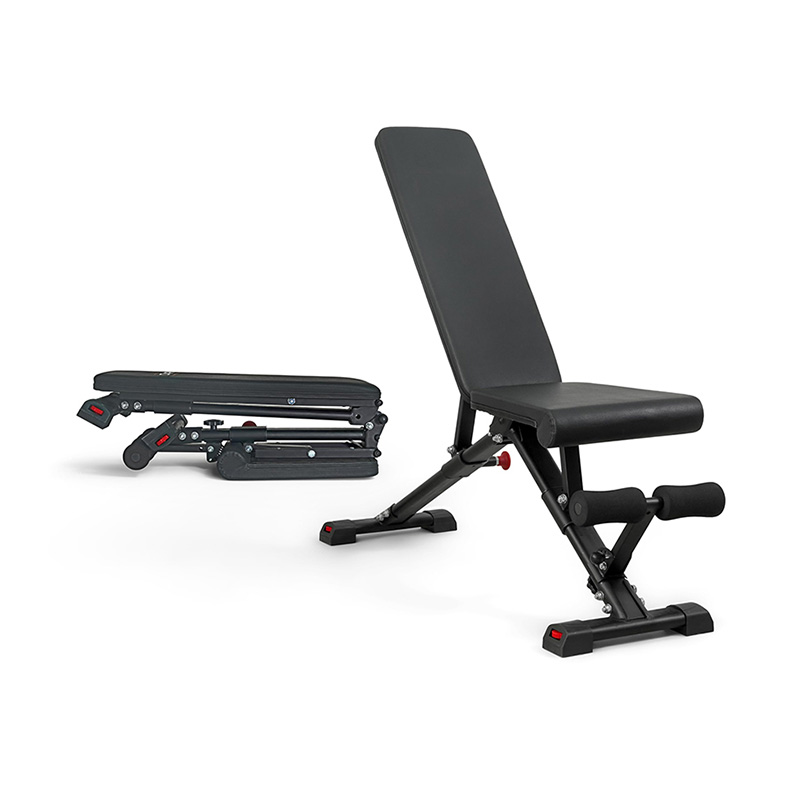
- Barbells: Long metal bars where weights are attached to the ends, used for heavy compound lifts like squats, deadlifts, and bench presses.
- Kettlebells: Cast-iron weights used for ballistic exercises that combine cardiovascular, strength, and flexibility training.
Weight Machines
Unlike free weights, machines guide the user through a fixed path of motion. This is generally safer for beginners as it reduces the risk of improper form. Common examples include the leg press machine, lat pulldown machine, and cable crossover machines. Variable resistance machines use cams or pulleys to change the resistance level throughout the movement, matching the muscle's natural strength curve.
Comparison of Common Fitness Equipments
Choosing the right equipment depends on individual goals, whether it be fat loss, muscle hypertrophy, or athletic performance. The following table compares three major categories.
| Equipment Category | Primary Benefit | Typical Calorie Burn (30 min) | Impact Level |
|---|---|---|---|
| Treadmill | Cardio/Endurance | 300-450 kcal | High to Moderate |
| Free Weights | Muscle Hypertrophy | 150-250 kcal | Low (Joint Focus) |
| Rowing Machine | Full Body/Cardio | 250-400 kcal | Low |
Flexibility and Recovery Tools
Fitness is not solely about exertion; it is also about recovery and maintaining a full range of motion. Ignoring this category can lead to stiff muscles and an increased risk of injury.
Yoga Mats and Blocks
Yoga mats provide a non-slip surface and cushioning for floor-based exercises. Yoga blocks are used as extensions of the arms to help maintain proper alignment during stretching routines for those with limited flexibility.
Foam Rollers
Foam rollers are essential for self-myofascial release (SMR). By applying pressure to specific points on your body, you can aid in the recovery of muscles and assist in returning them to normal function. Using a foam roller for just 10 minutes after a workout can significantly reduce delayed onset muscle soreness (DOMS).
Resistance Bands
These lightweight, portable bands are perfect for physical therapy and gentle strength building. They come in various tension levels, often color-coded, to provide ranging levels of difficulty.
Considerations for Selecting Fitness Equipments
When investing in fitness tools, several factors should guide the decision-making process to ensure long-term utility and safety.
- Space Availability: For home gyms, folding treadmills or adjustable dumbbells are space-saving solutions.
- Budget: While high-end machines offer more features, basic free weights often provide the same physiological benefits at a fraction of the cost.
- Fitness Goals: A marathon runner requires different equipment (treadmill, recovery tools) than a powerlifter (barbell, power rack).
- Safety Features: Ensure equipment like power racks have "spotter arms" and treadmills have an emergency stop clip.
Ultimately, the most effective fitness equipment is the one that you will use consistently. Consistency is the primary driver of physical transformation, far outweighing the specific brand or technological complexity of the device.