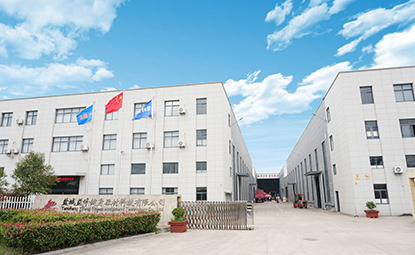
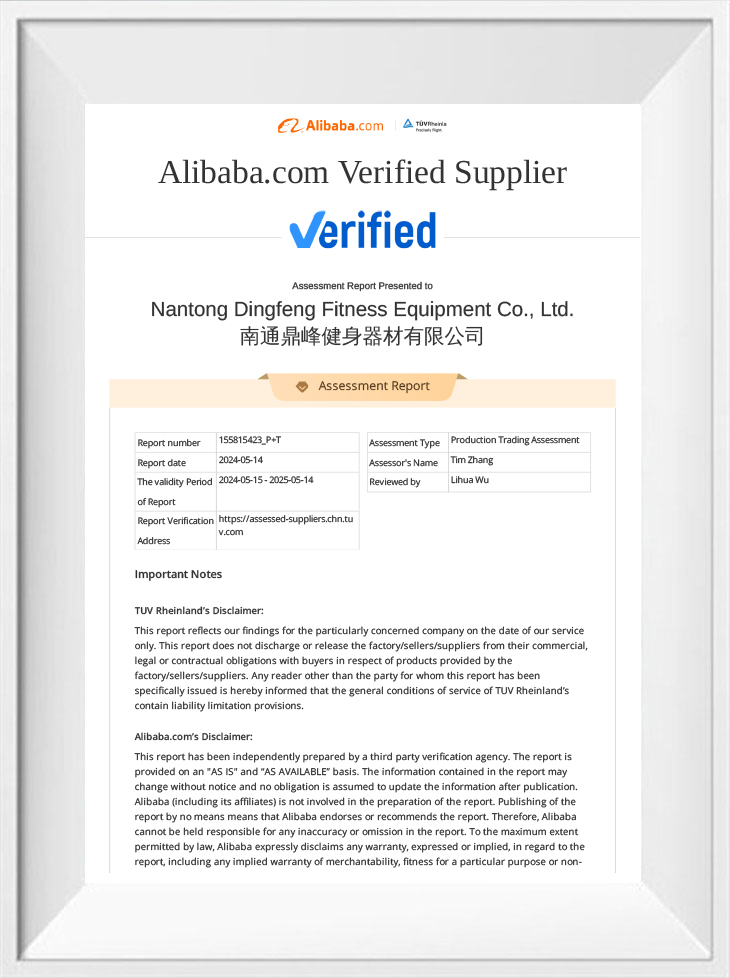
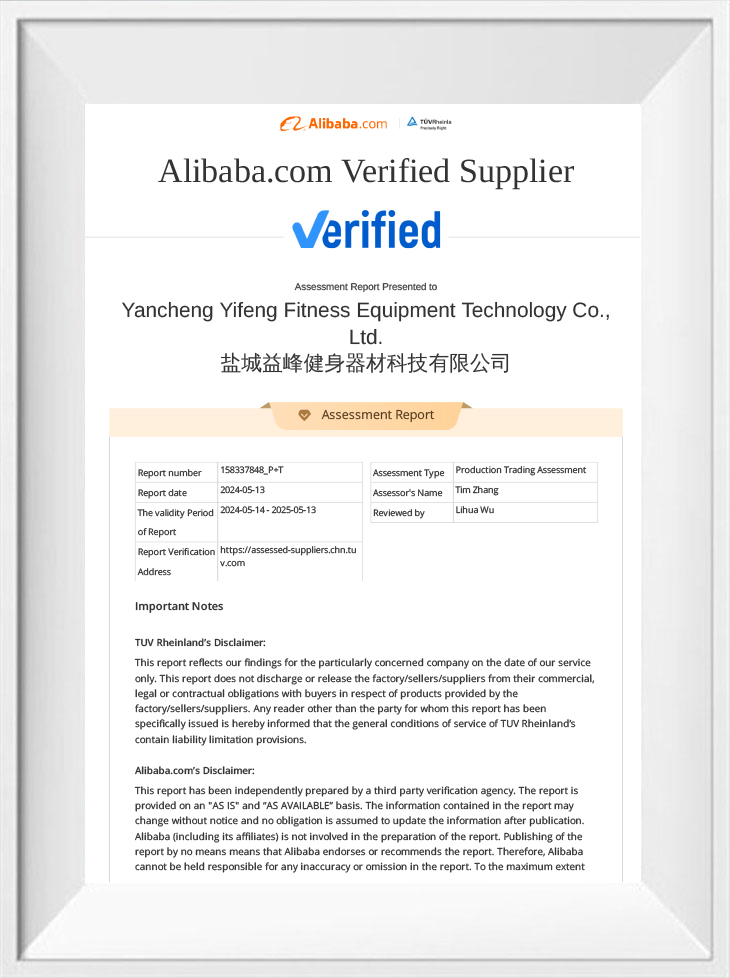
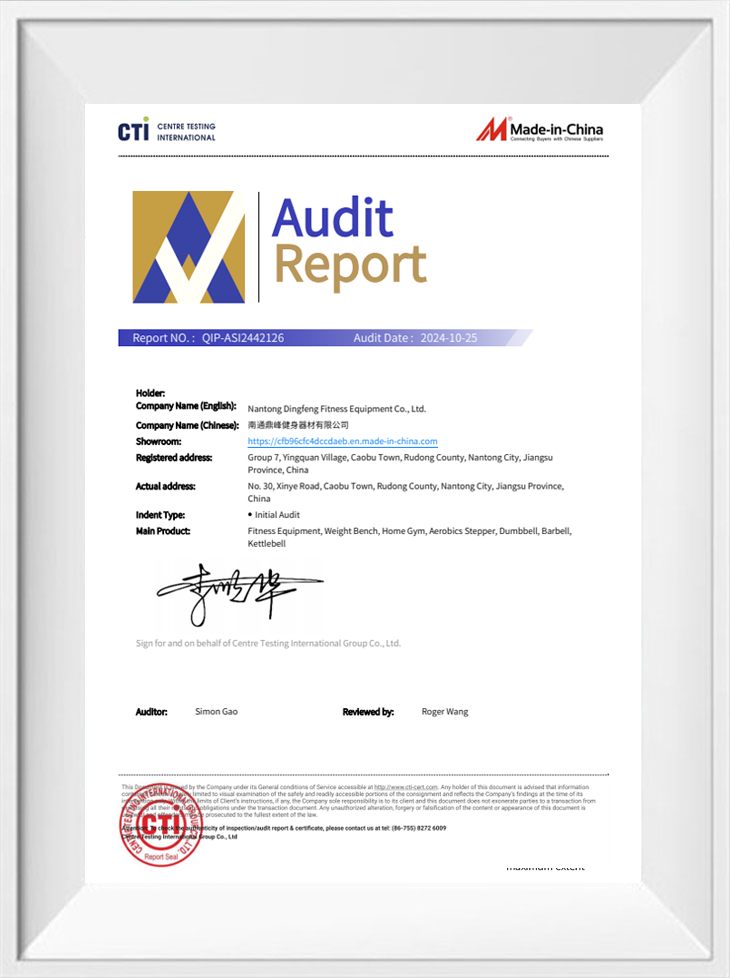
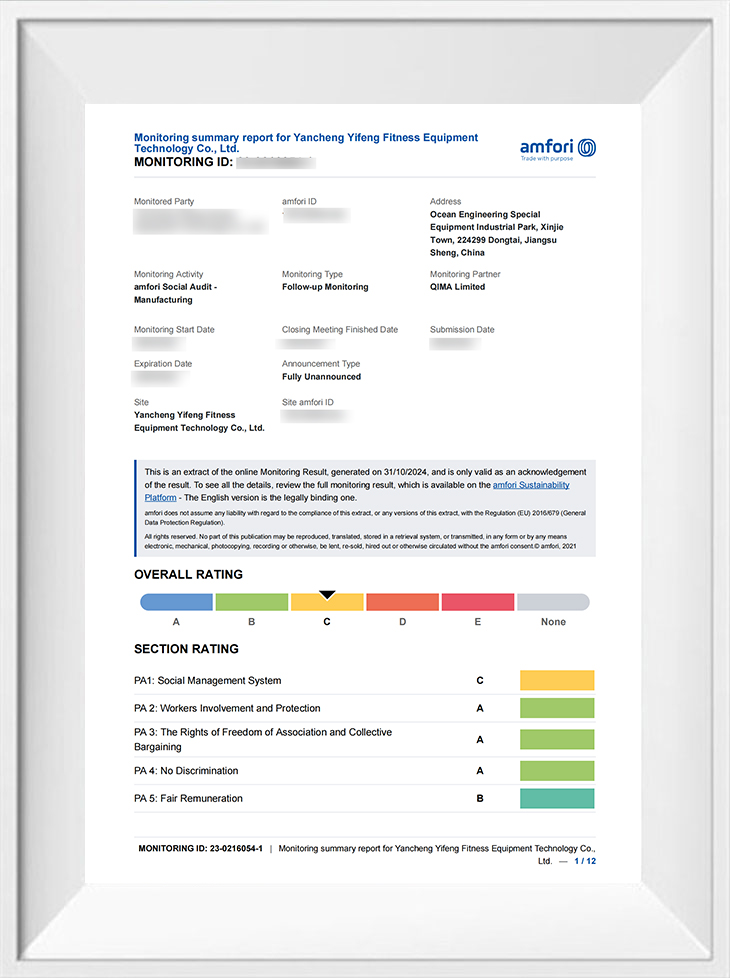
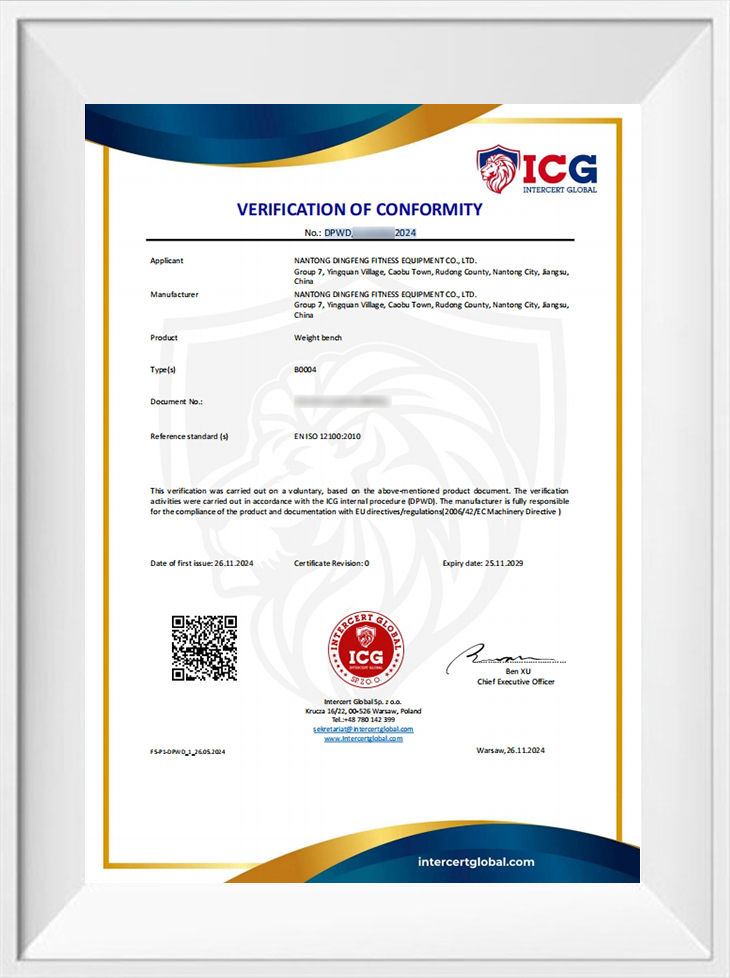
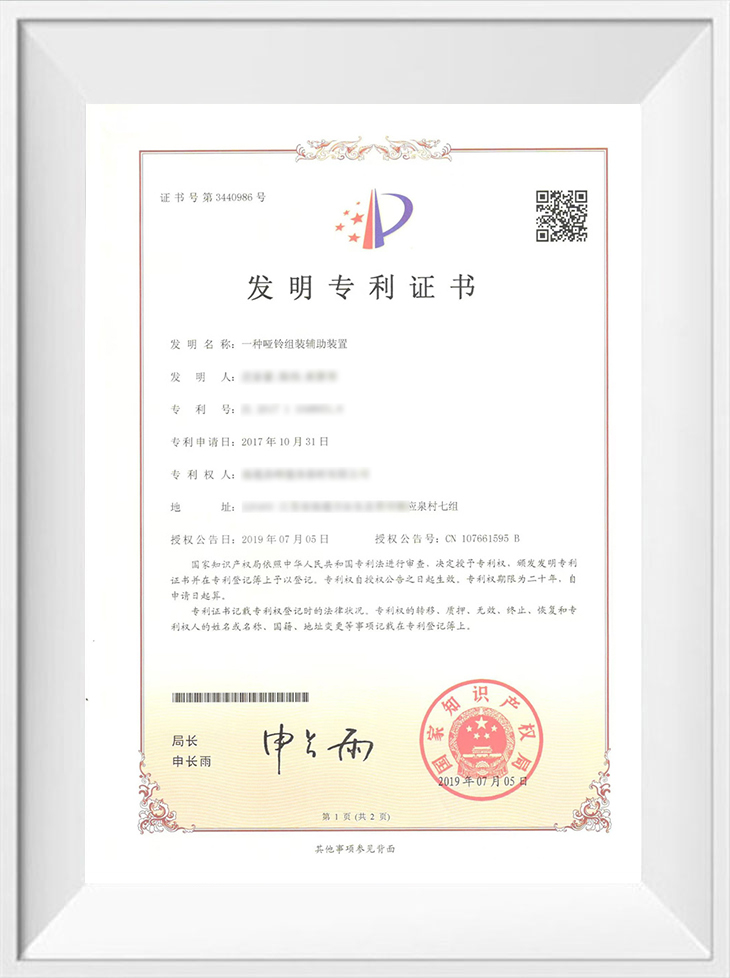
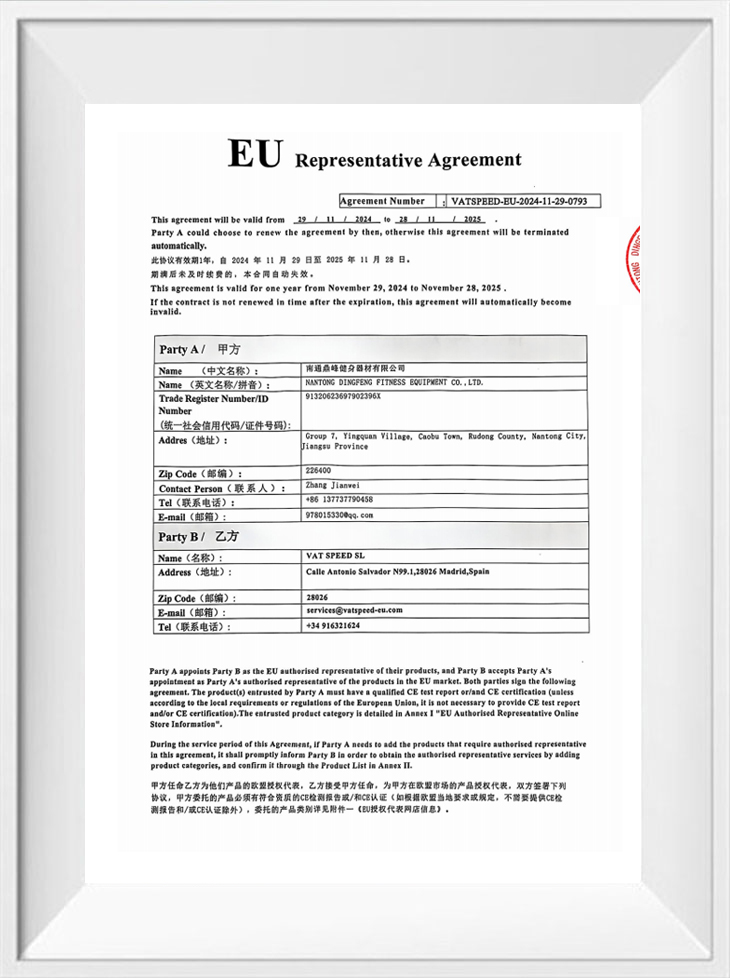
In the field of modern physical training and functional fitness, the Jump Box has long surpassed the simple concept of a wooden block, becoming a core piece of equipment for improving explosive power, coordination, and lower body strength. Nantong Dingfeng Fitness Equipment Co., Ltd., with its profound industrial background, has introduced precision manufacturing processes into this seemingly simple piece of equipment, giving it a significant position in professional fitness centers and competitive training bases.
I. The Core Training Value of the Jump Box
The essence of the Jump Box is an efficient tool for converting eccentric and concentric forces. It primarily serves plyometric training, activating the neuromuscular system's reaction speed through the stretch-shortening cycle (SSC).
Explosive Power Output Conversion: Athletes overcome their own gravity through vertical displacement, significantly recruiting fast-twitch muscle fibers.
Landing Cushioning Mechanics: Professional-grade Jump Boxes must provide stable feedback, helping users learn how to counteract impact forces through the coordinated movement of the hip, knee, and ankle joints during the exercise.
Multi-dimensional Application Scenarios: In addition to standard jumping exercises, it is also widely used in weighted step-ups, lateral steps, and upper body stability training such as push-ups.
II. Nantong Dingfeng's Professional Endorsement in Jump Box Manufacturing
Nantong Dingfeng Fitness Equipment Co., Ltd. integrates precision industrial standards into equipment production, which is not just about the materials used, but also an upgrade in manufacturing logic.
1. Structural Integrity and Geometric Precision
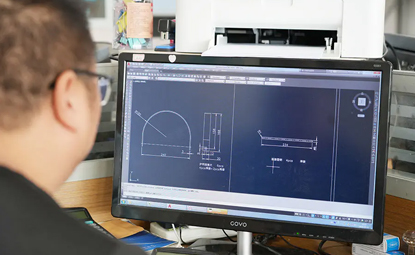
Relying on CNC machining centers, the cutting precision of each board reaches the micron level. This means that during assembly, the mortise and tenon joints or splicing gaps achieve a physically secure lock, eliminating the slight wobbling that may occur in traditional equipment under stress.
2. Fully Automated Intelligent Production System
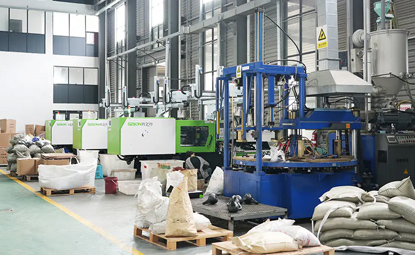
From the moment raw materials enter the production line, the intelligent system monitors their physical properties. Using precision processing equipment imported from Germany, the edges of the Jump Box are not only rounded but also ergonomically designed, effectively reducing the risk of injury to trainees in case of errors.
3. Environmental Adaptability and Surface Treatment
Before packaging, Nantong Dingfeng applies special treatment to the surface coating or texture. This treatment ensures that the equipment maintains a high coefficient of friction even in environments with high levels of sweat, preventing slipping during training.
III. Comparison of Key Performance Parameters of Jump Boxes
The table below shows the differences in structural design between professional-grade Jump Boxes (using Dingfeng's production standards as an example) and ordinary equipment:
| Performance Dimension |
Professional Grade (Dingfeng Precision) |
Standard Consumer Grade |
| Internal Support Structure |
Matrix Cross-Braced Reinforcement |
Hollow or single-rib support |
| Cutting Technology |
German-Imported CNC Precision Cutting |
Manual or basic machine cutting |
| Edge Engineering |
2-5mm Precision Chamfering/Filleting |
Sharp right angles or rough sanding |
| Material Stability |
High-Density Weather-Resistant Composites |
Standard plywood or low-density foam |
| Load Response |
Dual Static & Dynamic Load Testing |
No standard or static testing only |
| Joint Integrity |
Interlocking CNC Tenon-and-Mortise |
Simple butt joints or basic screws |
IV. Frequently Asked Questions (FAQ)
Q: Why is the weight of the Jump Box crucial for training stability?
A: The weight directly determines the inertia of the equipment. Nantong Dingfeng's use of high-density raw materials ensures that the box does not shift during high-impact jumps, which is crucial for protecting the ankle stability of the trainee.
Q: What are the differences between soft and hard jump boxes in terms of training choices?
A: Hard wooden boxes (precisely manufactured by CNC machining centers) provide more stable force feedback, suitable for professional athletes pursuing ultimate explosive power; while soft jump boxes are more often used by beginners to eliminate psychological fear and protect the shins. Nantong Dingfeng's production line can precisely manufacture both types of products.
Q: How to determine the lifespan of a Jump Box?
A: The key lies in the craftsmanship of the connections. The tightly interlocking structure achieved through CNC machining effectively disperses stress concentration caused by long-term impact, significantly extending the service life of the equipment in high-frequency gym environments.
Q: How is the comprehensive quality control system reflected in the finished product?
A: Starting from raw material testing, each batch of products undergoes pressure decay testing. This means that the equipment delivered to the user has undergone rigorous pre-testing in terms of structural integrity.


 English
 Deutsch
 中文简体
中文简体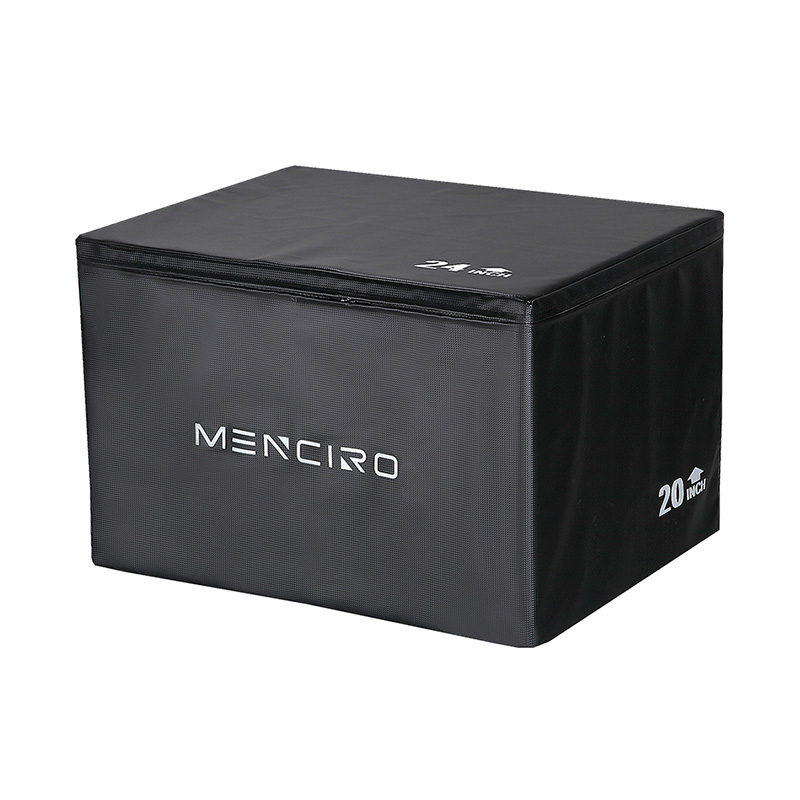 Non-Slip Plyometric Jump Box J0001
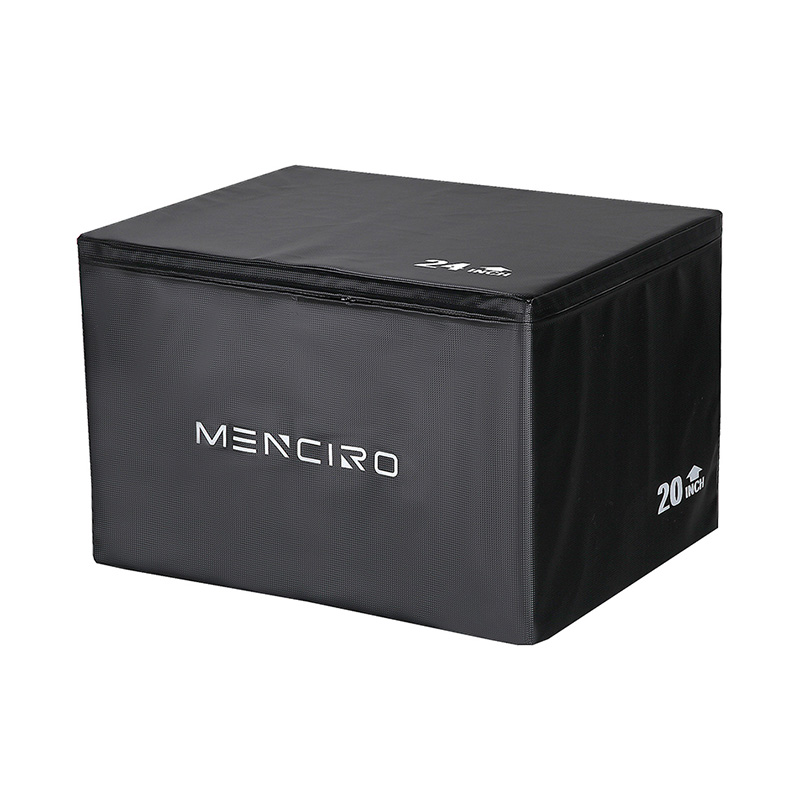 Stable Jump box J0002