English
 Deutsch
 中文简体
中文简体Content
- 1. What Is a Weight Bench?
- 2. Types of Weight Benches
- 3. Key Features & Specifications
- 4. Buying Guide: What to Look For
- 5. Maintenance & Safety Tips
- 6. Quick Reference Comparison Table
- 7. Advanced Features & Attachments
- 8. Maintenance & Longevity
- 9. Safety Protocols & Best Practices
- 10. Comprehensive Specification Matrix
- 11. Buying Checklist
- 12. Deep Dive: Advanced Buying Criteria
- 13. Step-by-Step Installation Guide
- 14. Decision-Making Flowchart (Textual)
- 15. Sample 4-Week Bench-Focused Workout Plan
- 16. Warranty & Customer Support Considerations
- 17. Shipping & Setup Services
- 16. Deep Dive: Advanced Accessories & Attachments
- 17. Periodized Training Program (12 Weeks)
- 18. Advanced Safety Protocols & Warranty Considerations
- 19. Shipping, Assembly, & Return Policies
- 20. Maintenance & Longevity
- 21. Environmental & Sustainability Considerations
- 22. Troubleshooting Common Issues
- 23. Comprehensive FAQ
- 24. Future Outlook & Emerging Technologies
- 25. Quick Reference Summary
1. What Is a Weight Bench?
A Weight Bench is a versatile piece of gym equipment designed primarily for resistance training. It typically features an adjustable backrest and seat, allowing users to perform a wide range of exercises such as bench presses, dumbbell rows, and core workouts. Modern benches often come with additional features like foldability, transport wheels, and specialized attachments (e.g., preacher curl pads).
2. Types of Weight Benches
| Type | Key Features | Ideal For | Typical Capacity |
|---|---|---|---|
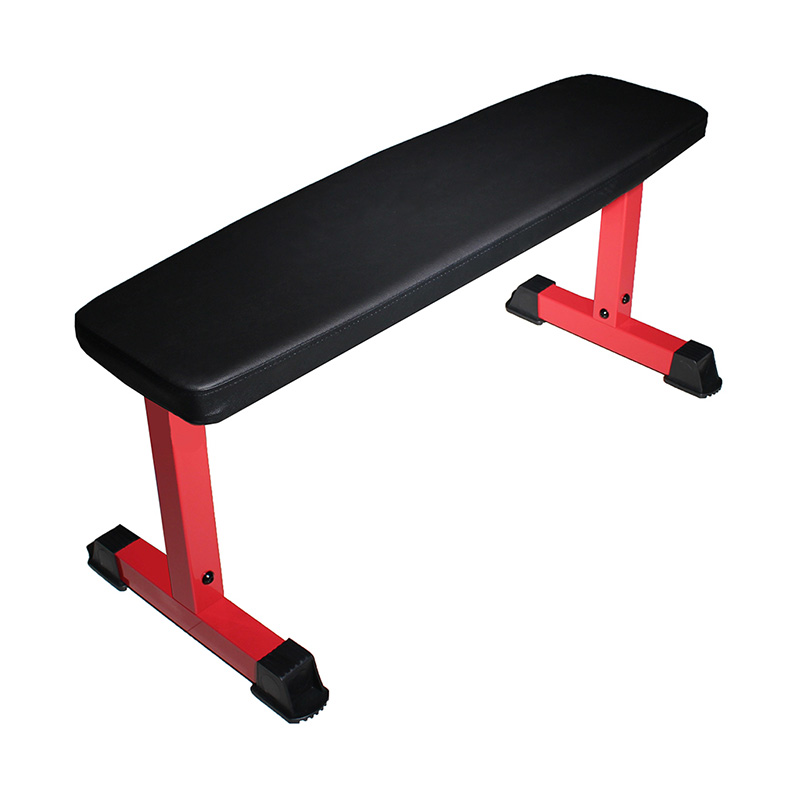
| Flat Bench | Fixed horizontal position | General strength training, flat presses | 300-600 kg |
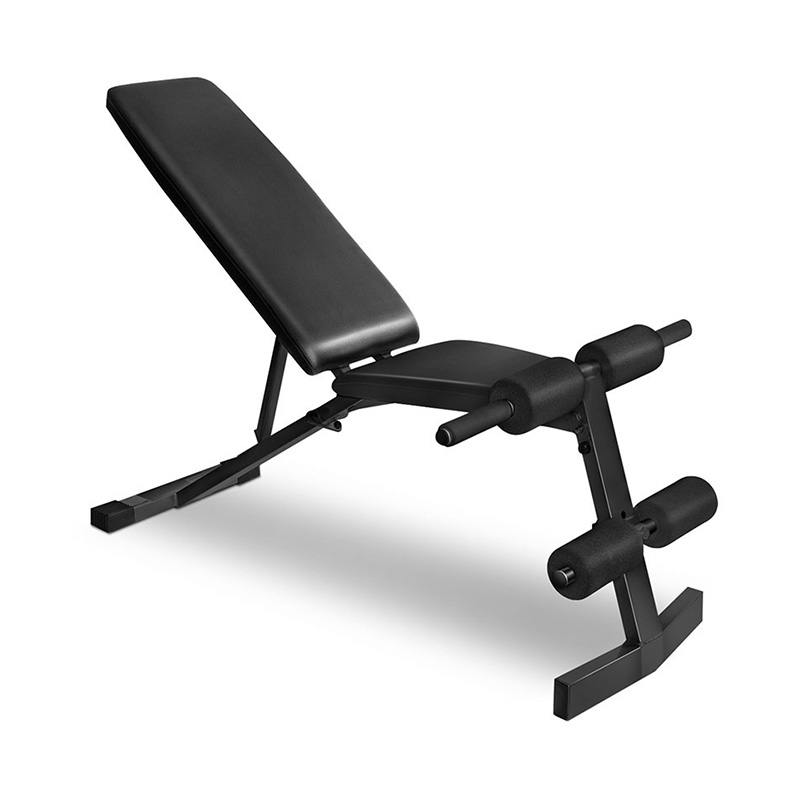
| Incline/Decline Bench | Adjustable backrest (incline/decline angles) | Targeting upper/lower chest, shoulders | 300-660 lbs |
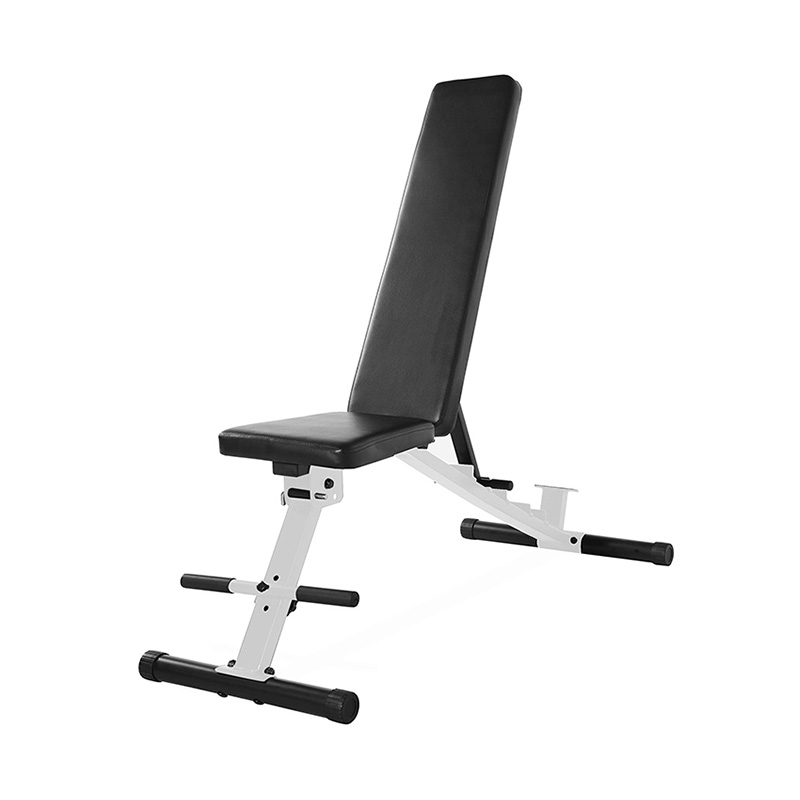
| Multi-Adjustable Bench | 7-stage backrest, 5-stage seat, wide angle range | Full-body workouts, versatility | 500-660 lbs |
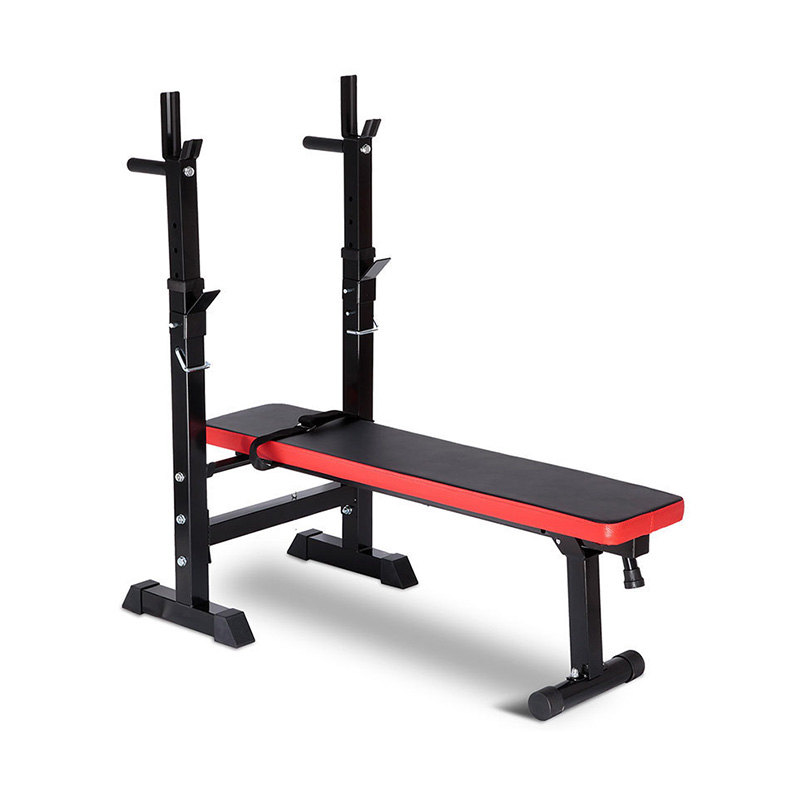
| Olympic Bench | Integrated Olympic bar rack, heavy-duty frame | Heavy lifting, powerlifting | 300-660 lbs |
| Preacher Curl Bench | Fixed angled arm pad for bicep isolation | Targeted arm workouts | Varies, often 200+ lbs |
| Utility/Abdominal Bench | Adjustable decline positions, foot rests | Core training, sit-ups | 300-660 lbs |
| Folding/Compact Bench | Foldable design, transport wheels | Small spaces, home gyms | 200-300 lbs |
3. Key Features & Specifications
When researching, buyers often look for specific features that affect performance, safety, and durability.
| Feature | Why It Matters | Typical Options |
|---|---|---|
| Adjustability | Determines the range of exercises you can perform (e.g., flat, incline, decline). | 0° (flat) to 90° (vertical), multiple preset positions. |
| Weight Capacity | Indicates the maximum load the bench can safely support. | Ranges from 250 lbs (113 kg) for home benches to 500+ lbs (227+ kg) for commercial models. |
| Dimensions & Space | Impacts where you can place the bench and your comfort during workouts. | Bench length (≈ 45"–55"), width (≈ 12"–16"), seat height (≈ 15"–18"). |
| Padding & Comfort | Affects comfort during long sets and reduces pressure on joints. | High-density foam, vinyl or leather cover, ergonomic contours. |
| Stability & Base | Prevents wobbling, especially under heavy lifts. | Wide base, rubber feet, anti-slip design, lockable wheels. |
| Safety Features | Essential for solo training to prevent injuries. | Spotter arms, safety catches, quick-release mechanisms. |
| Portability | Important for those who move the bench frequently. | Wheels, foldable design, lightweight frame. |
| Additional Attachments | Enhances functionality. | Leg developer, preacher curl pad, dumbbell rack. |
4. Buying Guide: What to Look For
Purpose & Usage: Identify primary exercises (e.g., bench press vs. core workouts) to select the appropriate type.
Space & Portability: Measure your workout area; consider folding benches with transport wheels for tight spaces.
Stability & Safety: Look for a wide base, rubber foot caps, and a sturdy frame to prevent wobbling during heavy lifts.
Adjustability: Ensure the bench offers the necessary range of motion for your training goals.
Weight Capacity: Choose a bench that exceeds your maximum lifting weight for safety.
Warranty & Build Quality: Opt for reputable brands that offer at least a 1-2 year warranty on the frame and upholstery.
5. Maintenance & Safety Tips
Regular Inspection: Check bolts, pins, and adjustment mechanisms for wear before each workout.
Clean Upholstery: Wipe down with a damp cloth; avoid harsh chemicals that can degrade the foam.
Proper Assembly: Follow the manufacturer’s instructions carefully; improper assembly can lead to instability.
Weight Limits: Never exceed the bench’s maximum load capacity; this can cause structural failure.
6. Quick Reference Comparison Table
Below is a concise table summarizing the most common bench types and their core specifications, designed for quick decision-making:
| Bench Type | Adjustable Backrest? | Adjustable Seat? | Max Capacity | Typical Use Case | Approx. Price (USD) |
|---|---|---|---|---|---|
| Flat Bench | No | No | 300-660 lbs | Basic strength training | 300 |
| Incline/Decline Bench | Yes (incline/decline) | No | 300-660 lbs | Chest & shoulder focus | 500 |
| Multi-Adjustable Bench | Yes (7 angles) | Yes (5 positions) | 500-660 lbs | Full-body versatility | 800 |
| Olympic Bench | Yes (incline) | No | 300-660 lbs | Heavy lifting, barbell work | 1,200 |
| Folding Bench | Yes (incline) | Yes (seat) | 200-300 lbs | Small spaces, home gyms | 250 |
| Utility/Abdominal Bench | Yes (decline) | No | 300-660 lbs | Core and ab workouts | 400 |
7. Advanced Features & Attachments
| Feature | Description | Benefits |
|---|---|---|
| Integrated Bar Racks | Built-in slots for Olympic or standard barbells. | Saves space, provides stability for heavy lifts. |
| Preacher Curl Pad | Fixed angled arm support. | Isolates biceps, reduces momentum. |
| Leg Developer (LD) | Adjustable foot platform for leg curls/extension. | Enables lower body isolation exercises. |
| Cable Attachments | Ports for cable machines or resistance bands. | Adds versatility for functional training. |
| Foldable Design | Hinged frame with lockable mechanisms. | Easy storage, ideal for home gyms. |
| Transport Wheels | Heavy-duty wheels on bench legs. | Facilitates moving heavy benches across flooring. |
| Adjustable Seat Height | Multiple seat positions, often with a locking pin. | Accommodates users of varying heights, improves ergonomics. |
| Detachable Backrest | Removable or foldable backrest. | Allows for quick conversion to a flat platform or for storage. |
8. Maintenance & Longevity
Maintaining a weight bench ensures safety and extends its lifespan:
| Maintenance Task | Frequency | Recommended Action |
|---|---|---|
| Tighten Bolts & Pins | Monthly | Use a wrench to secure all adjustable pins and bolts. |
| Inspect Upholstery | Weekly | Check for tears, flattening, or moisture; clean with mild soap. |
| Lubricate Moving Parts | Every 3-6 months | Apply silicone spray to hinges and lock mechanisms. |
| Check Load Capacity | Annually | Verify no cracks or deformations in the frame. |
| Floor Protection | Ongoing | Ensure rubber foot caps are intact; replace if worn. |
| Storage | As needed | Keep in a dry, indoor environment to prevent rust. |
9. Safety Protocols & Best Practices
| Safety Rule | Implementation |
|---|---|
| Never Exceed Capacity | Adhere strictly to the bench’s maximum weight limit. |
| Use a Spotter | For heavy lifts (e.g., bench press > 80% 1RM), have a partner assist. |
| Secure Adjustments | Always lock the backrest and seat before loading weights. |
| Foot Placement | Keep feet flat on the floor or footrests for stability. |
| Controlled Movements | Avoid bouncing the bar off the chest; maintain smooth motion. |
| Clear Area | Ensure no obstacles or loose equipment around the bench. |
| Proper Form | Maintain neutral spine, shoulder blades retracted, and elbows at appropriate angles. |
10. Comprehensive Specification Matrix
Below is an expanded matrix that includes additional technical specifications for a more granular comparison:
| Specification | Flat Bench | Incline/Decline Bench | Multi-Adjustable Bench | Olympic Bench | Folding Bench |
|---|---|---|---|---|---|
| Weight Capacity | 300-660 lbs | 300-660 lbs | 500-660 lbs | 300-660 lbs | 200-300 lbs |
| Backrest Angles | Fixed 0° | 0°-85° (incline), -30° (decline) | 0°-85° (incline), -30° (decline) | 0°-85° (incline), -30° (decline) | 0°-45° (incline) |
| Seat Positions | Fixed | Fixed | 5 positions (-30° to +30°) | Fixed | 5 positions |
| Footprint (L x W) | 100-120 cm x 52-60 cm | 120-150 cm x 60-70 cm | 140-150 cm x 60-70 cm | 150-170 cm x 60-70 cm | 100-120 cm x 50-60 cm |
| Overall Height | 45-100 cm | 45-131 cm | 45-131 cm | 45-131 cm | 45-100 cm |
| Material | 16-18 gauge steel, 65 mm foam | 16-18 gauge steel, 65 mm foam | 16-18 gauge steel, 65 mm foam | 16-18 gauge steel, 65 mm foam | 16-18 gauge steel, 65 mm foam |
| Foldability | No | No | No | No | Yes |
| Transport Wheels | No | No | No | No | Yes |
| Price Range (USD) | 300 | 500 | 800 | 1,200 | 250 |
| Ideal Use | Basic strength training | Chest/shoulder focus | Full-body versatility | Heavy lifting/powerlifting | Small spaces/home gyms |
11. Buying Checklist
Before finalizing a purchase, use this checklist to ensure you've covered all bases:
• Determine Primary Use (e.g., bench press, core training, multi-functional)
• Measure Available Space (including height clearance)
• Set a Budget (considering long-term durability)
• Check Weight Capacity (must exceed your max lift by at least 20%)
• Test Adjustability (smooth operation, secure locks)
• Assess Stability (wide base, rubber feet, no wobble)
• Read Reviews (focus on durability and customer service)
• Verify Warranty (minimum 1-2 years on frame and upholstery)
12. Deep Dive: Advanced Buying Criteria
When you're ready to invest in a high-quality weight bench, consider these nuanced factors beyond basic specifications:
| Advanced Factor | Why It Matters | Typical Indicators |
|---|---|---|
| Frame Geometry | A well-designed frame distributes stress evenly, reducing wear. | Reinforced crossbars, gusset plates, and triangulated support structures. |
| Pin Mechanism Quality | Pins that lock securely prevent accidental slippage during heavy lifts. | Hardened steel pins, easy-to-reach adjustment levers, and audible click mechanisms. |
| Upholstery Durability | High-quality upholstery resists tearing and maintains shape under pressure. | 65mm high-density foam, vinyl or synthetic leather with a high tear strength rating. |
| Transport Wheel Design | Wheels should lock in place to prevent unwanted movement. | Heavy-duty rubber wheels with a built-in brake system. |
| Load Distribution | Even weight distribution across the bench prevents tipping. | Wide base (minimum 60cm width) and a low center of gravity. |
| Modular Compatibility | Some benches can be upgraded with additional accessories. | Compatibility with leg developer attachments, preacher curl pads, or cable systems. |
13. Step-by-Step Installation Guide
Most weight benches come partially assembled. Follow these steps for a safe setup:
1.Unbox & Inventory
Lay out all components on a clean floor.
Verify that all bolts, pins, and washers are present.
2.Assemble the Base
Attach the front and rear legs to the base plate using the provided bolts.
Tighten all bolts securely, but avoid over-tightening to prevent stripping.
3.Install the Seat & Backrest
Slide the seat into the base and secure it with the locking pin.
Align the backrest with the seat and insert the backrest pin.
4.Secure Adjustable Pins
Ensure that all adjustable pins (incline/decline) are fully seated and locked.
Test each position for smooth movement and secure locking.
5.Add Optional Attachments
If you have a leg developer or preacher curl pad, attach them according to the manufacturer's instructions.
6.Safety Check
Perform a "shake test" by applying pressure to the bench. It should feel stable with no wobbling.
Re-check all bolts and pins after the first 10 uses.
14. Decision-Making Flowchart (Textual)
To quickly determine which bench type suits your needs, follow this logical flow:
1.Space Constraints?
Yes → Consider a Folding Bench or Compact Multi-Adjustable Bench.
No → Proceed to the next step.
2.Primary Exercise Focus?
Bench Press & Heavy Lifts → Choose an Olympic Bench with integrated bar racks.
Full-Body Variety → Opt for a Multi-Adjustable Bench with 7 backrest angles.
Core & Abs → Look for a Utility/Abdominal Bench with decline capabilities.
3.Maximum Load Requirement?
> 300 lbs (136 kg) → Ensure a Commercial-Grade Bench (e.g., Toorx, Drax, Rogue).
< 300 lbs → Most Mid-Range Home Benches will suffice.
4.Budget Range?
< $300 → Entry-level models (e.g., basic flat or incline benches).
800 → Mid-range multi-functional benches.
> $800 → Commercial or premium models.
15. Sample 4-Week Bench-Focused Workout Plan
Goal: Build overall upper body strength and muscle hypertrophy using a weight bench.
| Week | Day | Exercise | Sets x Reps | Load (% of 1RM) |
|---|---|---|---|---|
| 1-2 | Monday | Flat Bench Press | 4 x 8 | 70% |
| Incline Dumbbell Press | 3 x 10 | 65% | ||
| Seated Dumbbell Shoulder Press | 3 x 12 | 60% | ||
| Thursday | Decline Bench Press | 4 x 8 | 70% | |
| Flat Bench Dumbbell Flyes | 3 x 12 | 55% | ||
| Close-Grip Bench Press | 3 x 10 | 65% | ||
| 3-4 | Monday | Flat Bench Press (Heavy) | 5 x 5 | 80% |
| Incline Bench Press | 4 x 6 | 75% | ||
| Arnold Press (Seated) | 4 x 8 | 70% | ||
| Thursday | Decline Bench Press (Heavy) | 5 x 5 | 80% | |
| Incline Dumbbell Flyes | 4 x 8 | 70% | ||
| Weighted Dips (Bench Assisted) | 4 x 6 | 75% |
16. Warranty & Customer Support Considerations
A solid warranty can save you from future headaches. Here's what to look for:
| Warranty Aspect | Ideal Coverage |
|---|---|
| Frame Warranty | Minimum 5 years, covering any structural failures. |
| Upholstery Warranty | At least 2 years, covering tears, delamination, or excessive wear. |
| Hardware Warranty | 1-2 years for bolts, pins, and moving parts. |
| Customer Support | 24/7 phone or chat support, with a clear return policy. |
| Spare Parts Availability | Ability to order replacement pins, wheels, or upholstery patches. |
17. Shipping & Setup Services
If you're purchasing a heavy commercial bench, consider these logistics:
| Service | When to Consider |
|---|---|
| White-Glove Delivery | For benches > 50kg, includes in-home setup and debris removal. |
| Assembly Service | If you’re uncomfortable with tools or have limited time. |
| Freight Shipping | Required for large, multi-piece commercial benches. |
| Local Pickup | Cost-effective if you have a vehicle and can transport the bench yourself. |
16. Deep Dive: Advanced Accessories & Attachments
Modern benches are often the centerpiece of a modular training system. Here are the most impactful accessories:
| Accessory | Benefits | Compatibility |
|---|---|---|
| Leg Developer (LD) | Enables leg curls and extensions; isolates hamstrings and quadriceps. | Usually attaches to the front footplate; common in commercial benches |
| Preacher Curl Pad | Fixed angled support for bicep curls; eliminates momentum. | Often a detachable add-on; fits most multi-adjustable benches. |
| Cable Port System | Allows integration with cable machines for functional training. | Requires bench with built-in cable ports; enhances versatility. |
| Olympic Bar Rack | Integrated bar storage; saves floor space. | Common in commercial benches; essential for heavy lifters. |
| Safety Spotter Arms | Provides a safety net for solo lifters; prevents bench collapse. | Can be a permanent fixture or a portable add-on. |
| Adjustable Foot Supports | Enhances stability during decline presses. | Often built into commercial benches like the Rock Solid model |
17. Periodized Training Program (12 Weeks)
Goal: Hypertrophy and Strength for Intermediate Lifters
| Phase | Duration | Primary Focus | Key Bench Exercises |
|---|---|---|---|
| Phase 1: Foundation (Weeks 1-4) | 4 weeks | Muscular endurance, technique | 3x12 Flat Bench Press (70% 1RM), 3x15 Incline DB Press, 3x20 Push-Ups (feet elevated) |
| Phase 2: Hypertrophy (Weeks 5-8) | 4 weeks | Muscle size, moderate volume | 4x10 Flat Bench Press (75% 1RM), 4x12 Incline DB Press, 4x15 Decline DB Press |
| Phase 3: Strength (Weeks 9-12) | 4 weeks | Maximal strength, low volume | 5x5 Flat Bench Press (85% 1RM), 5x5 Incline Bench Press, 5x5 Close-Grip Bench Press |
| Deload | Every 4th week | Recovery | Reduce volume by 50%, maintain intensity. |
18. Advanced Safety Protocols & Warranty Considerations
| Aspect | Advanced Protocol | Warranty Insight |
|---|---|---|
| Dynamic Load Testing | Periodically test the bench with incremental weight to ensure structural integrity. | Most warranties (e.g., Rock Solid) cover frame defects for a lifetime. |
| Pin Safety Checks | Before each session, verify that all adjustment pins are fully engaged and locked. | Pin failures are often not covered; user negligence may void warranty. |
| Floor Compatibility | Use a rubber mat for benches with wheels (e.g., The Commercial Bench) to prevent floor damage and bench wobble. | Some warranties require the bench to be used on a flat, stable surface. |
| Transport Safety | Engage wheel locks before moving the bench; avoid dragging to prevent frame stress. | Improper transport can lead to warranty claims being denied. |
| Component Wear | Regularly inspect foot caps, padding, and upholstery; replace worn parts promptly. | Replacement parts are often covered under a one-year parts warranty (e.g., Rock Solid). |
19. Shipping, Assembly, & Return Policies
| Brand | Shipping Method | Assembly Complexity | Return Policy |
|---|---|---|---|
| The Commercial Bench | Freight (heavy-duty) | Moderate (requires tools) | Standard 30-day return, unopened only |
| Gear for Fit G3 | Freight, with optional white-glove | Easy (quick-release pins) | 30-day return, restocking fee may apply |
| CARBYNE | Small parcel (lightweight) | Easy (snap-together) | 30-day return, unopened only |
| Rock Solid | Freight, with optional assembly service | Easy (enclosed ladders) | 30-day return, restocking fee may apply |
20. Maintenance & Longevity
Regular maintenance extends the lifespan of your bench and ensures safety.
| Maintenance Task | Frequency | How-To |
|---|---|---|
| Tighten Bolts & Fasteners | Monthly (or after each heavy session) | Use a hex key to tighten all visible bolts. Pay special attention to the footplate, seat, and backrest connections. |
| Inspect Padding & Upholstery | Quarterly | Check for tears, loose seams, or foam compression. Replace worn-out padding to maintain comfort and safety. |
| Lubricate Moving Parts | Every 6 Months | Apply a few drops of silicone spray to pin mechanisms, hinges, and any adjustable levers. Avoid oil-based lubricants that can degrade foam. |
| Check Wheels & Casters | Monthly | Ensure wheels roll smoothly. Clean debris from the swivel mechanism and tighten any loose axle bolts. |
| Clean the Surface | Weekly | Wipe down with a damp cloth and mild soap. Avoid harsh chemicals that can degrade vinyl or leather upholstery. |
21. Environmental & Sustainability Considerations
When purchasing a bench, consider its environmental impact.
| Aspect | Eco-Friendly Options |
|---|---|
| Material | Look for benches made from recycled steel or aluminum. |
| Upholstery | Choose synthetic leather (PU) over PVC, as it’s often more recyclable. |
| Longevity | Investing in a high-quality, durable bench reduces waste compared to frequently replacing cheaper models. |
| Packaging | Opt for manufacturers that use minimal, recyclable packaging. |
| End-of-Life | Some manufacturers (e.g., Leadman) offer take-back programs for old equipment. |
22. Troubleshooting Common Issues
| Symptom | Likely Cause | Solution |
|---|---|---|
| Bench wobbles under load | Loose bolts, worn-out pin, or uneven floor. | Tighten all bolts, replace the pin, and use a rubber mat for floor stability. |
| Upholstery tears easily | Low-quality foam or excessive friction. | Replace foam with high-density memory foam and consider a vinyl overlay. |
| Adjustable pins slip | Worn pin holes or low-quality metal. | Use a thread-locking compound or replace the pins with higher-tolerance ones. |
| Leg developer squeaks | Lack of lubrication or worn bearings. | Apply silicone spray to the sliding tracks and check for debris. |
| Bench feels too low for deadlifts | Fixed footplate height. | Use a step platform or choose a bench with an adjustable footplate. |
23. Comprehensive FAQ
Q1: How much weight can a typical home bench support?
A: Most mid-range home benches support 300-400 lbs (136-182 kg), while commercial benches can handle 600-1200 lbs (272-544 kg) or more.
Q2: Do I need a bench for a home gym?
A: A bench is essential for a balanced routine. It allows you to perform presses, rows, flyes, and core exercises, targeting muscle groups that can't be effectively trained with free weights alone.
Q3: Should I buy a folding bench?
A: If space is limited, a folding bench is ideal. However, ensure it has a sturdy locking mechanism and doesn't wobble when fully extended.
Q4: How do I choose between a flat bench and an adjustable bench?
A: A flat bench is perfect for pure pressing power. An adjustable bench (incline/decline) offers versatility for targeting upper chest, shoulders, and core.
Q5: What accessories should I prioritize?
A: For a complete setup, consider a leg developer, preacher curl pad, and safety spotter arms. These expand your exercise repertoire and enhance safety.
Q6: How do I transport a heavy bench?
A: Use the built-in wheels (if available) and lock them before moving. For very heavy benches, consider a furniture dolly or professional delivery service.
Q7: What is the difference between a "commercial" and "semi-commercial" bench?
A: Commercial benches are built for 24/7 gym use, often with thicker steel and higher weight capacities. Semi-commercial benches are slightly lighter, designed for occasional home or small studio use.
Q8: How often should I replace the padding?
A: High-quality foam can last 5-10 years with proper care. Replace when you notice a loss of firmness or visible wear.
24. Future Outlook & Emerging Technologies
The weight bench market is evolving rapidly, with new technologies shaping the future of strength training.
A. Smart Integration
IoT-Enabled Benches: Integrated sensors that track reps, range of motion, and even provide real-time form correction via a connected app.
Digital Load Indicators: Built-in digital scales that display the exact weight lifted, eliminating the need for external plates.
B. Sustainable Materials
Recycled Steel Frames: More manufacturers are using high-strength recycled steel, reducing the carbon footprint.
Eco-Friendly Upholstery: Options like recycled PU leather or biodegradable foam are becoming mainstream.
C. Modular Ecosystems
Interlocking Systems: Benches that seamlessly connect with racks, squat stands, and cable machines, creating a unified training platform.
Convertible Designs: Benches that can transform into a squat rack or a power cage with minimal adjustments.
25. Quick Reference Summary
| Category | Key Takeaway |
|---|---|
| Best for Beginners | Flat bench or basic adjustable bench (e.g., Marcy, Flybird). |
| Best for Heavy Lifting | Olympic or commercial-grade bench (e.g., Rogue, xMark). |
| Best for Small Spaces | Folding bench with at least 2-3 incline positions. |
| Best for Versatility | Multi-adjustable bench with leg developer and preacher pad. |
| Safety Priority | Ensure spotter arms and a solid, wide base. |
| Longevity | Look for a full-welded steel frame and high-density foam. |