English
 Deutsch
 中文简体
中文简体Content
- 1. Core Specifications Overview
- 2. Material & Build Quality
- 3. Performance Characteristics
- 4. Detailed Buying Guide
- 5. Price Ranges & Top Recommendations (2024-2026 Data)
- 6. Maintenance & Usage Tips
- 7. Compatibility & Additional Accessories
- 8. Advanced Technical Comparisons
- 9. Compatibility Matrix: Bar vs. Plates vs. Collars
- 10. Detailed Buying Checklist
- 11. Safety Protocols & Usage Guidelines
- 12. Shipping & Logistics
- 13. Advanced Materials & Engineering
- 14. Bar Variants for Specific Lifts
- 15. Customization & Personalization
- 16. Performance Optimization & Ergonomics
- 17. Essential Bar Accessories & Their Uses
- 18. Sample Training Programming Using an Olympic Bar
- 19. Frequently Asked Questions (FAQ)
- 20. Market Trends & Resale Value
- 21. Future Innovations & Trends
1. Core Specifications Overview
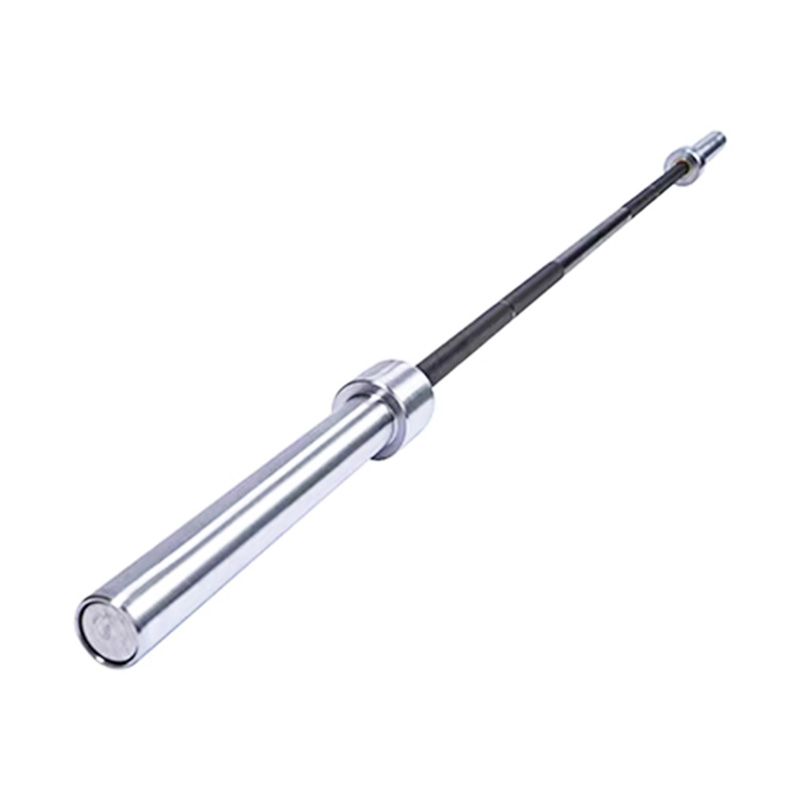
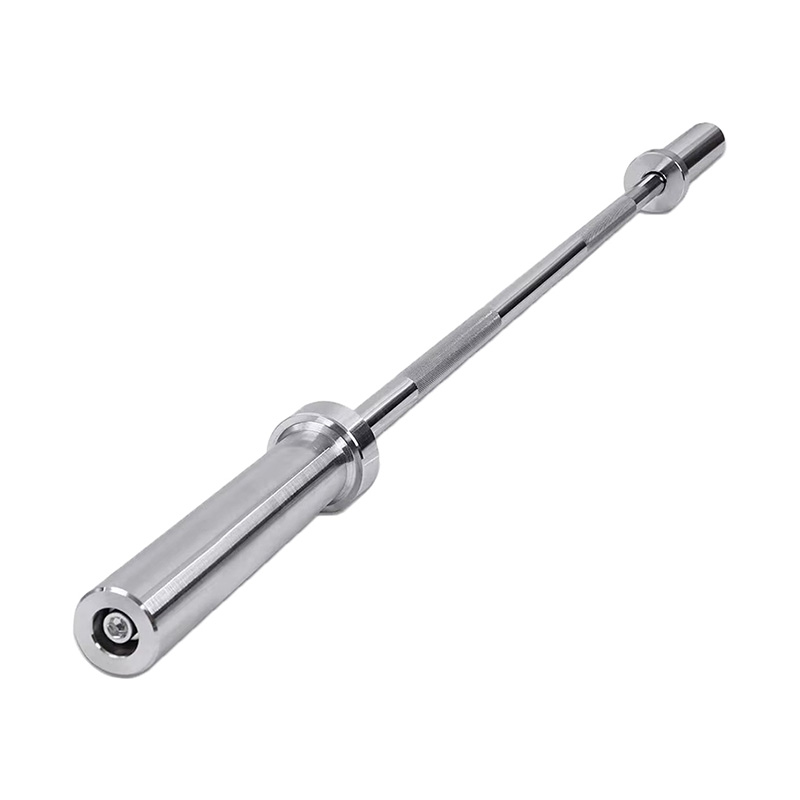
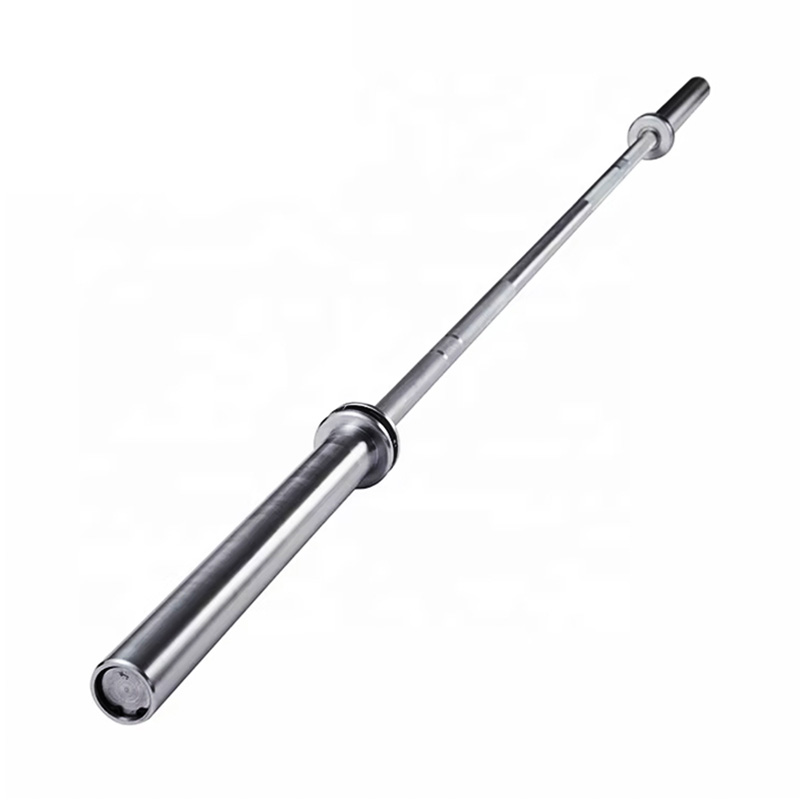
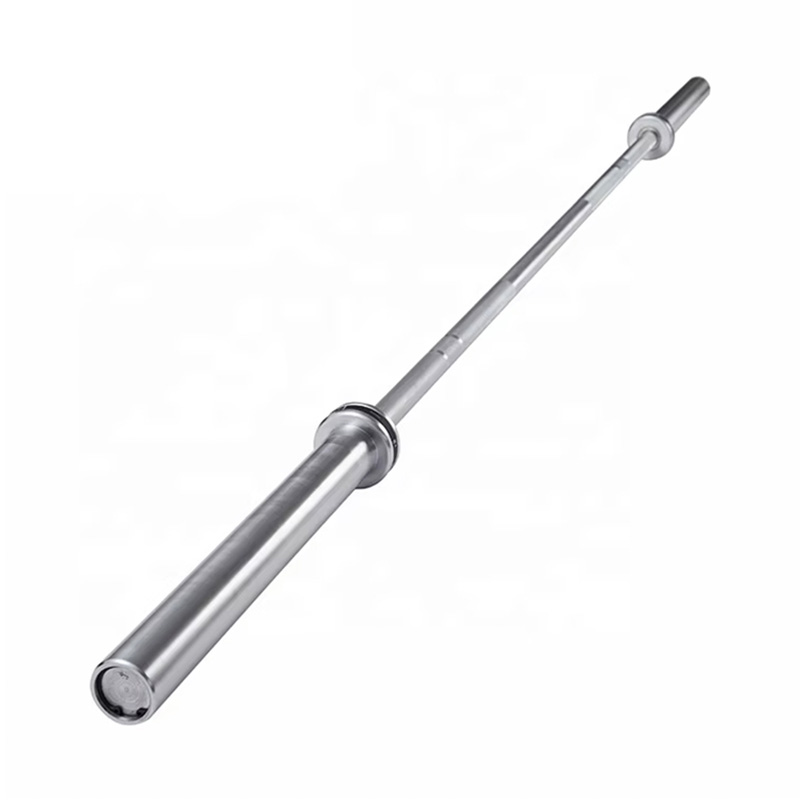
Olympic bars adhere to strict dimensional standards, ensuring compatibility with 2-inch (50mm) Olympic plates. However, variations exist based on intended use (weightlifting vs. powerlifting) and target demographics (men vs. women).
| Specification | Standard Men's Bar (IPF/IWF) | Powerlifting Bar | Women's Bar | Typical Variants |
|---|---|---|---|---|
| Overall Length | 2,200 mm (86.6") | 2,200 mm (86.6") | 2,200 mm (86.6") | 1.8m (71") for short bars |
| Sleeve Length | 415 mm (16.3") | 415 mm (16.3") | 415 mm (16.3") | 380 mm (15") for specialty bars |
| Shaft Diameter | 28 mm (Men's) | 30 mm (Men's) | 25 mm (Women's) | 28 mm (Standard) |
| Weight | 20 kg (44 lbs) | 20-25 kg (Heavy) | 15 kg (33 lbs) | 15 kg (Standard) |
| Load Capacity | 907 kg / 2000 lbs (IWF) | 900-1000 kg (Power) | 500-600 kg (Women's) | 700 lbs (Budget) |
| Knurling | 1.2mm diamond (IWF) | 1.5mm aggressive (Power) | 1.0mm (Gentle) | 1.2mm (Standard) |
| Finish | Hard Chrome / Zinc (Corrosion-resistant) | Hard Chrome / Black Zinc | Hard Chrome / Black Zinc | Hard Chrome (Premium) |
2. Material & Build Quality
The construction of the bar determines its durability, spin, and overall feel.
Core Material: High-quality steel, often with a tensile strength ranging from 190,000 PSI to 200,000 PSI.
Sleeve Construction:
Bearing Sleeves: Provide a smooth spin, ideal for Olympic lifts.
Bushings (Bronze/Steel): Offer durability and a slightly different feel, often found in powerlifting bars.
Coating Options:
Hard Chrome: Durable, common in many bars.
Zinc: Offers a matte finish and good durability.
Alloy Steel: Used in some budget-friendly options.
3. Performance Characteristics
Whip (Flexibility): Olympic bars typically have more whip than powerlifting bars, which can aid in the clean phase of lifts.
Spin: High-quality bearings or bushings ensure the sleeves rotate independently from the shaft, crucial for the snatch and clean & jerk.
Load Capacity: Varies by brand and construction. For example:
Fettle Fitness: Up to 1500 lbs (680 kg).
Pivot (Singapore): Rated at 317 kg (700 lbs).
Standard Spec: Typically around 1000-1500 lbs for most competition-grade bars.
4. Detailed Buying Guide
When selecting an Olympic bar, consider the following criteria based on your training goals and environment.
4.1. Bar Type Selection
| Bar Type | Ideal For | Key Features | Typical Price Range |
|---|---|---|---|
| Weightlifting (Olympic) Bar | Olympic lifts (Snatch, Clean & Jerk), high-rep training | 28mm shaft, IWF knurl marks, 2.5mm inner collars, rotating sleeves with needle bearings | 800 (Premium) |
| Powerlifting Bar | Squat, Deadlift, Bench Press | 30mm shaft, thicker sleeves, aggressive knurl, limited rotation | 600 (Mid-range) |
| Multi-Purpose Bar | Home gyms, general strength training | Balanced knurl, moderate rotation, versatile | 350 (Budget to Mid) |
| Women’s Bar | Female athletes, lighter load | 25mm shaft, reduced knurl depth, lighter weight | 300 |
| Short/Training Bar (1.8m) | Limited space, beginners | Shorter sleeve length, lower weight capacity | 250 |
4.2. Material & Finish
Hard Chrome: Most common, offers excellent durability and a sleek appearance. Ideal for commercial gyms.
Zinc/Black Zinc: Provides a matte finish that reduces glare, often used in budget-friendly models.
Nickel/Chrome: Offers superior corrosion resistance and a classic look, typically found in high-end or specialty bars.
4.3. Bearing Systems
Needle Bearings: Provide smooth, quiet rotation, essential for Olympic lifts. Premium bars feature 10-12 needle bearings.
Bushings: Simpler, less expensive, and provide more “stickiness,” which can be beneficial for powerlifting deadlifts.
4.4. Warranty & Longevity
Standard Warranty: Most reputable brands offer a 1-2 year warranty against manufacturing defects.
Longevity: With proper maintenance (regular cleaning, proper storage, and occasional re-greasing of bearings), an Olympic bar can last decades, even with heavy daily use.
5. Price Ranges & Top Recommendations (2024-2026 Data)
Below is a curated list of reputable brands, their typical price points, and key features. Prices are based on the latest market data and may vary slightly.
| Brand / Model | Approx. Price (USD) | Key Features |
|---|---|---|
| Rogue Fitness (American Flag/Black) | 500 | 28mm shaft, medium knurl, high durability, popular in North America. |
| Fettle Fitness (7ft) | $229 (budget-friendly) | 28.575 mm grip, 1500 lb capacity, solid performance for home gyms. |
| York Barbell Men's Elite Competition | $579 | Competition-grade, high-end bearings, IWF certified. |
| Warrior Bella Bar (Women’s) | $399 (approx.) | 25mm shaft, bronze bushings, medium IWF knurl, high whip. |
| LivePro Women’s Competition Bar | 350 | IWF certified, needle bearing, no center knurl, matte chrome finish. |
| HANDBODE 6.5 ft (15kg) | $79.99 | Hard chrome finish, professional knurling, budget option. |
| ARVAKOR 5ft (9kg) | 150 | Alloy steel, portable, suitable for beginners. |
| Core Health & Fitness (20kg) | $300 (approx.) | 28mm diameter, hard chrome finish, standard competition specs. |
| Pivot Olympic Training Bar (Singapore) | 400 | 317kg capacity, chromed and knurled, versatile for multiple lifts. |
6. Maintenance & Usage Tips
Cleaning: Wipe down after each use with a dry cloth. For heavy sweat, use a mild detergent and ensure the bar is completely dry before storage.
Lubrication: Periodically (every 6-12 months) apply a few drops of light oil to the bearing shafts to maintain smooth rotation.
Storage: Store horizontally on a rack or rack the bar vertically using a wall-mounted holder to prevent warping.
Inspection: Regularly check for cracks, rust, or worn knurling, especially if the bar is used heavily (e.g., daily in a commercial setting).
7. Compatibility & Additional Accessories
Plates: Ensure plates have a 2-inch (50mm) center hole to fit the sleeves. Most Olympic plates are compatible across all standard bars.
Collars/Clips: Use high-quality spring collars or magnetic clips to secure plates, especially during dynamic lifts like snatches or clean & jerks.
Racks & Stands: Verify that your power rack or squat stand can accommodate the bar’s length (2.2m for standard bars). Some compact racks only support shorter 1.8m bars.
8. Advanced Technical Comparisons
When diving deeper into the nuances of Olympic bars, the differences become more subtle yet critical, especially for high-level athletes and coaches.
| Feature | Standard Competition Bar | Powerlifting Bar | Hybrid/Training Bar |
|---|---|---|---|
| Shaft Flex (Whip) | Moderate (optimal for catching the bar) | Low (more rigid for maximal force transfer) | Variable (often adjustable or mid-range) |
| Knurl Pattern | Uniform or with a subtle center knurl; no aggressive rings | Aggressive, deep knurl rings for a secure grip during deadlifts | Mixed; often a compromise between grip and comfort |
| Load Capacity | Typically rated up to 1,000-1,500 lbs (450-680 kg) | Often rated higher (up to 2,000 lbs or more) due to thicker shaft and sleeves | Varies; budget models may have lower load ratings |
| Rotational Bearing Type | High-quality needle bearings (e.g., 10-13 bearings) for smooth spin | May use bushings or fewer bearings; less emphasis on spin | Often uses basic bearings; focus is on durability |
9. Compatibility Matrix: Bar vs. Plates vs. Collars
Ensuring that your equipment is fully compatible prevents wear and tear and maximizes performance.
| Component | Standard Specification | Compatibility Note |
|---|---|---|
| Bar Sleeve Diameter | 50mm (2 inches) | Must match Olympic plates (2-inch holes). Smaller plates (e.g., standard 1-inch plates) will not fit. |
| Plate Hole Size | 50mm (2 inches) | Must be used with Olympic bars. Using plates with a larger hole (e.g., 3-inch) can cause wobble. |
| Collar/Clamp Size | 50mm (2 inches) | Must match the sleeve diameter. Using a 1-inch collar on a 2-inch sleeve is unsafe. |
| Knurl Grip Width | 81cm (men) / 91cm (women) | Hand placement markers are standardized for competition; use them as a guide for proper technique. |
10. Detailed Buying Checklist
For a thorough evaluation, use this step-by-step checklist to assess each potential purchase.
| Step | Action | What to Look For | Why It Matters |
|---|---|---|---|
| 1 | Verify IWF Certification | Look for “IWF Certified” or “IPF Certified” markings on the bar or packaging. | Ensures the bar meets international competition standards (important for athletes). |
| 2 | Inspect Knurling | Check the knurl pattern (diamond vs. straight) and depth. | Determines grip quality and suitability for specific lifts (e.g., aggressive knurl for deadlifts). |
| 3 | Check Shaft Diameter | Measure the shaft; standard is 28mm for men’s bars. | Affects grip width and compatibility with powerlifting grips. |
| 4 | Test Sleeve Rotation | Rotate the sleeves manually. | Smooth rotation (needle bearings) is crucial for Olympic lifts; resistance may indicate bushings. |
| 5 | Assess Finish | Look for uniform coating (chrome, zinc). | Determines corrosion resistance and aesthetic longevity. |
| 6 | Confirm Load Capacity | Verify the stated load capacity (e.g., 2000 lbs). | Ensures the bar can handle heavy loads without bending. |
| 7 | Check Weight Accuracy | Weigh the bar (should be 20kg for standard). | Guarantees consistency in training and competition. |
| 8 | Examine Sleeves | Ensure sleeves are 415mm long and have a 50mm inner diameter. | Compatibility with standard Olympic plates. |
| 9 | Look for Warranty | Verify warranty length (typically 1-2 years). | Provides protection against manufacturing defects. |
| 10 | Read Reviews | Check user feedback on durability and performance. | Real-world insights can reveal hidden issues. |
11. Safety Protocols & Usage Guidelines
Proper technique and handling are essential to prevent injuries and prolong the bar's lifespan.
| Safety Aspect | Recommended Practice |
|---|---|
| Loading/Unloading | Always load plates evenly on both sides. Use quality collars or clips to secure plates. |
| Grip Position | For Olympic lifts, use a hook grip. For powerlifting, a mixed grip (one overhand, one underhand) can be used for deadlifts. |
| Drop Zones | Only drop the bar in designated areas with rubber flooring. Avoid dropping on concrete or metal platforms. |
| Bar Storage | Store horizontally on a rack or use a vertical bar holder. Avoid leaning the bar against walls or heavy objects. |
| Routine Inspection | Check for cracks, rust, or worn knurling before each session, especially if the bar is used heavily. |
| Maintenance | Wipe down after each use. Re-grease bearings every 6-12 months. |
| Spotting | For bench press or squat, always have a spotter or use safety bars. |
12. Shipping & Logistics
When ordering a bar, especially internationally, consider the following:
| Factor | Consideration |
|---|---|
| Weight | A standard 20kg bar plus packaging can weigh 25-30kg. Verify carrier weight limits. |
| Dimensions | Length is typically 2.2 meters. Ensure the carrier can accommodate this length without damage. |
| Customs & Duties | International shipments may be subject to import duties. Check your country’s regulations. |
| Packaging | Look for reinforced packaging (double cardboard, wood slats) to prevent bending during transit. |
| Insurance | Consider shipping insurance for high-value bars (e.g., Eleiko, Rogue). |
| Assembly | Most bars are ready to use out of the box; no assembly required. |
13. Advanced Materials & Engineering
The performance and durability of an Olympic bar are heavily influenced by the materials used and the engineering processes applied.
| Material/Component | Function | Common Specifications |
|---|---|---|
| Core Steel (Shaft & Sleeves) | Provides structural strength and rigidity | Typically high-carbon steel (e.g., 4140, 4142, 4340) or spring steel for enhanced elasticity |
| Tensile Strength | Determines the bar’s resistance to bending and breaking under load | 180,000 - 210,000 PSI (pounds per square inch) is standard for competition bars; some premium bars exceed 220,000 PSI |
| Finish | Protects against corrosion and wear | Hard Chrome (most common for durability), Zinc (cost-effective), Black Zinc (matte, reduces glare), Nickel (high-end, premium feel) |
| Bearings | Enables smooth rotation of the sleeves, reducing friction during lifts | Needle bearings (10-12 per bar for optimal spin) are standard in high-performance bars; some budget bars may use fewer bearings or bushings |
| Knurling Depth | Affects grip friction and comfort | 1.0mm - 1.5mm depth; deeper knurling (1.5mm) provides a more aggressive grip for powerlifting, while shallower knurling (1.0mm) is gentler on the hands for weightlifting |
14. Bar Variants for Specific Lifts
Different lifting disciplines benefit from specialized bar designs. Selecting the appropriate bar can enhance performance and reduce injury risk.
| Lift Type | Recommended Bar | Key Features |
|---|---|---|
| Olympic Weightlifting (Snatch, Clean & Jerk) | IWF Competition Bar | 28mm shaft, 1.2mm diamond knurl, center knurl for grip, 10 needle bearings for smooth rotation, 2000 lbs load capacity |
| Powerlifting (Squat, Bench, Deadlift) | Powerlifting Bar | 30mm shaft (thicker for grip), aggressive knurl, limited rotation (often bushings), higher tensile strength for heavy deadlifts |
| CrossFit / Functional Training | Hybrid Bar | 28mm shaft, moderate knurl, versatile design for both Olympic lifts and high-rep workouts |
| Women's Training | Women's Olympic Bar | 25mm shaft for smaller grip, 15kg weight, lighter knurling for comfort |
| Beginner / Home Use | Training Bar (e.g., Origin 15kg) | Lighter weight (15kg), 8 needle bearings for higher load capacity, IWF standard knurling, more affordable |
15. Customization & Personalization
Many manufacturers and specialty shops offer customization options to tailor the bar to specific preferences.
| Custom Feature | Options | Benefits |
|---|---|---|
| Knurling Pattern | Diamond (standard), Straight (powerlifting), Custom Logos | Enhances grip, adds personal branding |
| Shaft Length | Standard (2200mm), Short Bar (1800mm) for limited space | Adjusts to gym layout and user height |
| Finish Color | Chrome (standard), Black Zinc (matte), Custom Paint | Reduces glare, matches gym aesthetics |
| Weight | 15kg (women's), 20kg (standard), 25kg (heavy) | Aligns with user strength level |
| Load Capacity | 2000 lbs (competition), 1500 lbs (budget) | Ensures safety for heavy lifters |
16. Performance Optimization & Ergonomics
Fine-tuning your interaction with the bar can significantly enhance lift efficiency and reduce fatigue.
| Aspect | Optimization Tips |
|---|---|
| Grip Width | For snatch and clean, a slightly wider grip reduces the distance the bar travels, conserving energy. |
| Bar Path Visualization | Use a mirror or video analysis to ensure the bar follows a straight, vertical path, minimizing horizontal deviation. |
| Hand Position | Keep the wrist neutral and the forearms vertical during the pull phase to maximize force transfer. |
| Shoulder Position | Keep the shoulders over the bar (in the rack) and pull the bar into the hips to maintain a tight torso. |
| Breathing Technique | Use the Valsalva maneuver during heavy lifts to stabilize the core and increase intra-abdominal pressure. |
| Recovery | Incorporate active recovery (light mobility, foam rolling) after heavy bar sessions to maintain joint health. |
17. Essential Bar Accessories & Their Uses
| Accessory | Primary Use | Compatibility |
|---|---|---|
| Weightlifting Shoes | Provide a stable, elevated heel for better squat depth and pull mechanics. | Olympic bars (weightlifting). |
| Lifting Belt | Increases intra-abdominal pressure for spinal support during heavy lifts. | Powerlifting and Olympic lifts. |
| Chalk | Reduces hand sweat for a secure grip on the bar. | All bar types. |
| Collars/Clips | Secure plates on the sleeves, preventing them from sliding off. | All bar types. |
| Bar Pads | Cushion the bar for high-rep workouts or for athletes with hand injuries. | Powerlifting and training bars. |
| Knurling Grips | Add additional grip material for lifters with smaller hands. | Olympic bars (optional). |
| Barbell Pad | Protects the bar from scratches during storage or transport. | All bar types. |
18. Sample Training Programming Using an Olympic Bar
| Phase | Focus | Sample Exercise Set |
|---|---|---|
| Strength Phase (Weeks 1-4) | Build maximal strength, low volume, high intensity. | 5x5 Back Squat, 5x5 Deadlift, 5x5 Bench Press. |
| Power Phase (Weeks 5-8) | Convert strength to speed, moderate volume, moderate intensity. | 4x4 Power Clean, 4x4 Push Press, 4x4 Front Squat. |
| Peaking Phase (Weeks 9-12) | Peak for competition, low volume, high intensity, technique focus. | 3x3 Snatch, 3x3 Clean & Jerk, 3x3 Front Squat. |
| Deload (Week 13) | Recovery and preparation for next cycle. | 2x2 Light Technique Work, Mobility Drills. |
19. Frequently Asked Questions (FAQ)
| Question | Answer |
|---|---|
| Can I use a powerlifting bar for Olympic lifts? | While possible, powerlifting bars often have a thicker shaft (30mm) and less aggressive knurling, which can affect grip and rotation. |
| Do I need a certified bar for home use? | Not necessarily. Certified bars are essential for competition. For home gyms, a mid-range or budget bar may suffice. |
| What is the difference between chrome and zinc finishes? | Chrome offers a smoother, more reflective surface and higher corrosion resistance. Zinc (especially black zinc) provides a matte finish that reduces glare. |
| How often should I replace my bar? | With proper maintenance, a high-quality bar can last 10-20 years. Replace if you notice permanent bends, cracks, or excessive wear. |
| Are there bars specifically for beginners? | Yes, many brands offer “training” or “starter” bars that are lighter and have a more forgiving knurl. |
| What is a “dual knurl” bar? | Some bars feature different knurl patterns on each side (e.g., one side for powerlifting, the other for Olympic lifts). |
| Do I need a specific type of collar? | Spring collars are common for Olympic lifts. Locking collars are often used for powerlifting. |
| Can I use bumper plates on any Olympic bar? | Yes, as long as the plates have a 2-inch (50mm) hole, they are compatible with any standard Olympic bar. |
| Is a “knurled” bar better than a “smooth” bar? | Knurling provides grip. Smooth bars are typically used for specific exercises (e.g., deadlifts with a mixed grip) to reduce hand tearing. |
| What is the “load capacity” of a bar? | This is the maximum weight the bar can safely hold without bending. Most competition bars have a capacity of 2000 lbs (907 kg). |
20. Market Trends & Resale Value
The Olympic bar market has shown steady growth, with certain brands retaining high resale value due to durability and brand reputation.
| Trend | Insight |
|---|---|
| Rise of Hybrid Bars | Bars that combine Olympic spin with powerlifting grip are becoming popular among CrossFit athletes and general strength trainers |
| Sustainability | Some manufacturers are exploring eco-friendly finishes and recycled steel to reduce environmental impact |
| Resale Market | High-end competition bars (e.g., Eleiko, Rogue) often retain 70-80% of their original value if well-maintained, making them a solid investment for serious lifters |
| Technology Integration | Emerging smart bars with integrated sensors for tracking bar speed and force are beginning to enter the market, although they are currently priced at a premium |
21. Future Innovations & Trends
The Olympic bar industry is evolving with technology and material science.
| Innovation | Potential Impact |
|---|---|
| Smart Bars | Integrated sensors track bar speed, force, and movement patterns, providing real-time feedback for technique correction. |
| Vibration Damping Technology | Advanced materials reduce vibration on impact, improving comfort and reducing fatigue during high-rep sets. |
| Eco-Friendly Manufacturing | Use of recycled steel and low-impact finishes to reduce environmental footprint. |
| Customizable Knurling | 3D printing technology allows lifters to customize knurl patterns for personal grip preferences. |
| AI-Driven Training Programs | Algorithms analyze bar performance data to generate personalized periodization and recovery plans. |