English
 Deutsch
 中文简体
中文简体Content
A lifter who can rattle off 50 crunches may still lose their brace halfway through a heavy squat. The reason: crunches train the outer layers of the abdominal wall, but they barely touch the deep core. Deep core exercises with weights fix that blind spot by loading movements that force your body to resist extension, rotation, and lateral bending. The result is a trunk that stays rigid under a barbell, a loaded carry, or a demanding shift on your feet.
This guide explains what the deep core actually is, the best weighted exercises for training it, how to choose loads that build stiffness without straining your back, and which equipment makes the training practical in a home gym or a commercial facility.
What the Deep Core Actually Is
The deep core is not one muscle. It is a system of muscles that wraps around the torso like a natural weight belt: the transversus abdominis at the deepest layer, the internal obliques at the sides, the pelvic floor at the base, the diaphragm at the top, and the multifidus running along the spine. Contracted together, they raise intra-abdominal pressure, the mechanism that keeps the lumbar spine safe under load.
This is why the classic routine of sit-ups and leg raises is incomplete. Those movements activate the rectus abdominis and external obliques, but they do little to teach the trunk to resist movement. Weighted anti-rotation, anti-extension, and loaded carry work do.
| Comparison | Superficial abs | Deep core |
|---|---|---|
| Main muscles | Rectus abdominis, external obliques | Transversus abdominis, internal obliques, pelvic floor, multifidus |
| Primary task | Spinal flexion and rotation | Spinal stiffness and pressure control |
| Best stimulus | High-rep flexion exercises | Loaded anti-movement work |
| Weight needed | Optional | Central to progress |
The implication matters more than the anatomy: if you want a core that protects your back and transfers force into squats, deadlifts, and throws, you have to train it with load, not just reps.
The Best Weighted Deep Core Exercises
The fastest path to a stronger deep core runs through exercises that force the trunk to resist movement. The five categories below cover every plane of motion and are easy to set up with a kettlebell, dumbbell, ab wheel, or a Roman chair.
Anti-Extension: Ab Wheel Rollout
Kneel, grip the handles, and roll out until your body forms a straight line from shoulders to hips. The deeper core works eccentrically to keep your lower back from arching. An auto-rebound ab wheel adds a controlled return, which makes the movement safer for beginners and easier to train to fatigue.
 Auto-Rebound Ab Roller for Safer Core TrainingThis ab roller's built-in rebound mechanism controls the return phase, making deep core rollouts safer for beginners while still allowing efficient training to fatigue.View Product →
Anti-Rotation: Pallof Press
Stand sideways, hold a weight at your chest, and press it straight out while keeping your torso square. If your hips or shoulders twist, the load is too heavy. It is the most direct way to teach the trunk to resist rotational force.
Anti-Lateral Flexion: Suitcase Carry
Carry a heavy kettlebell or dumbbell in one hand and walk with your ribs stacked over your hips. Your lateral core fights the pull on one side. Carries also raise your heart rate, making them a conditioning tool as well as a core builder.
Loaded Hip Flexion and Extension: Dead Bug and Roman Chair
The weighted dead bug teaches the deep core to stabilize the pelvis while arms and legs move. The Roman chair hyperextension does the opposite: it loads the posterior chain through a dynamic range and forces the deep core to control the pelvis at both ends of the movement.
| Exercise | Plane of motion | Start load | Harder variant |
|---|---|---|---|
| Ab wheel rollout | Anti-extension | Bodyweight | Weight vest or plate on back |
| Pallof press | Anti-rotation | 5-10 kg | 15-20 kg |
| Suitcase carry | Anti-lateral flexion | 16 kg | 24-32 kg |
| Weighted dead bug | Anti-extension | 2-4 kg | 6-8 kg |
| Roman chair hyperextension | Dynamic trunk extension | +5 kg plate | +10-20 kg |
How to Choose the Right Load
Load selection matters more in deep core training than in almost any other muscle group, because the goal is stiffness and control, not just raw strength. Overload the movement and you will compensate with the hip flexors or lower back. Underload it and you never give the deep core a reason to adapt.
- Start with a weight you can control for 10 slow reps without your lower back arching, your ribs flaring, or your breath locking up.
- For carries, choose a load that lets you walk 30-40 metres with a vertical torso; any lean means the trunk is losing the fight.
- Add 2-4 kg only when the prescribed reps are clean and you can breathe steadily throughout the set.
- If form breaks before rep eight, drop the weight and shorten the range of motion instead of pushing through pain.
One practical rule: the deep core responds to heavy, slow, controlled effort. If you can do 20 clean reps easily, the load is too light for the goal of stiffness.
Equipment That Makes Weighted Core Training Work
Almost every weighted core exercise can be done with a handful of versatile pieces. When you buy for a home gym or a commercial facility, the priorities are stability, coating quality, and load range.
Kettlebells
A kettlebell's offset center of mass makes the core work harder during carries, halos, and swings at the same nominal weight as a dumbbell. A coated conditioning kettlebell protects floors and hands, which matters in a facility that sees heavy daily use.
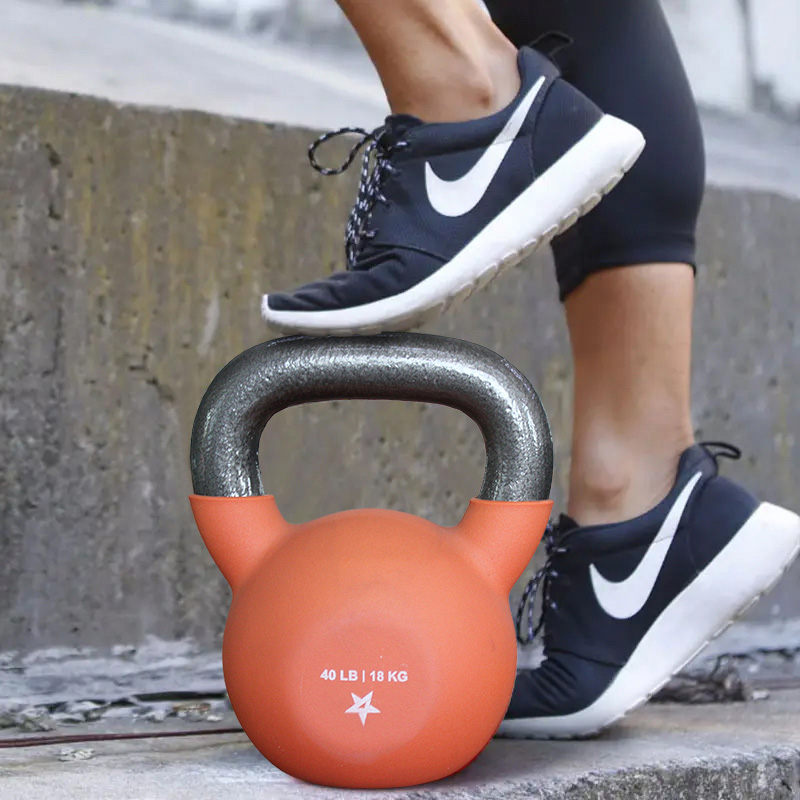 Coated Conditioning Kettlebells with Customizable WeightsThese kettlebells combine a cast iron core with durable coatings for floor protection and grip, offering customizable weight and finish options for varied core exercises.View Product →
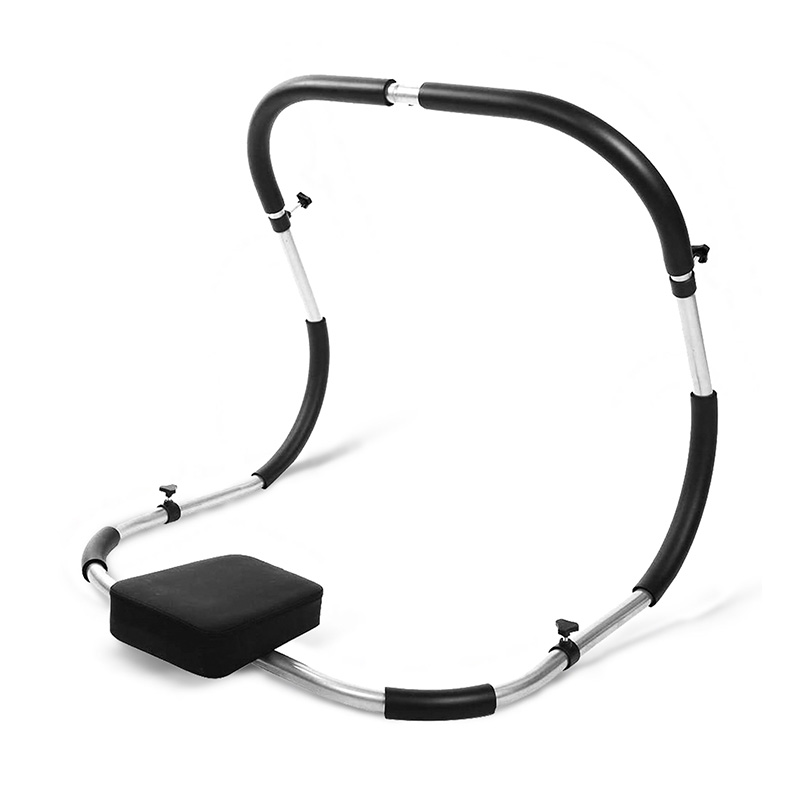
Ab Wheels and Rollers
An ab roller is the most compact deep core tool you can own. The auto-rebound version suits beginners and commercial gyms alike, since it reduces the risk of losing control on the return phase.
Roman Chairs
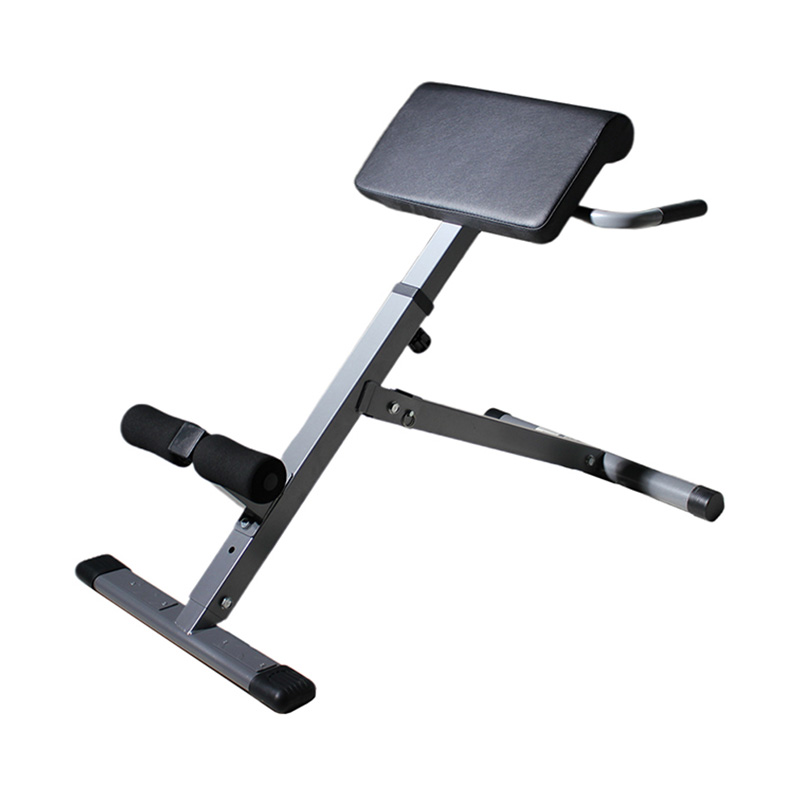
A well-built Roman chair turns unweighted back extensions into a loaded deep core and posterior-chain movement. Look for a welded steel frame, nonslip foot plates, and a back pad that keeps the hips from sliding. Our Roman chair buyer's guide covers the specification details in depth.
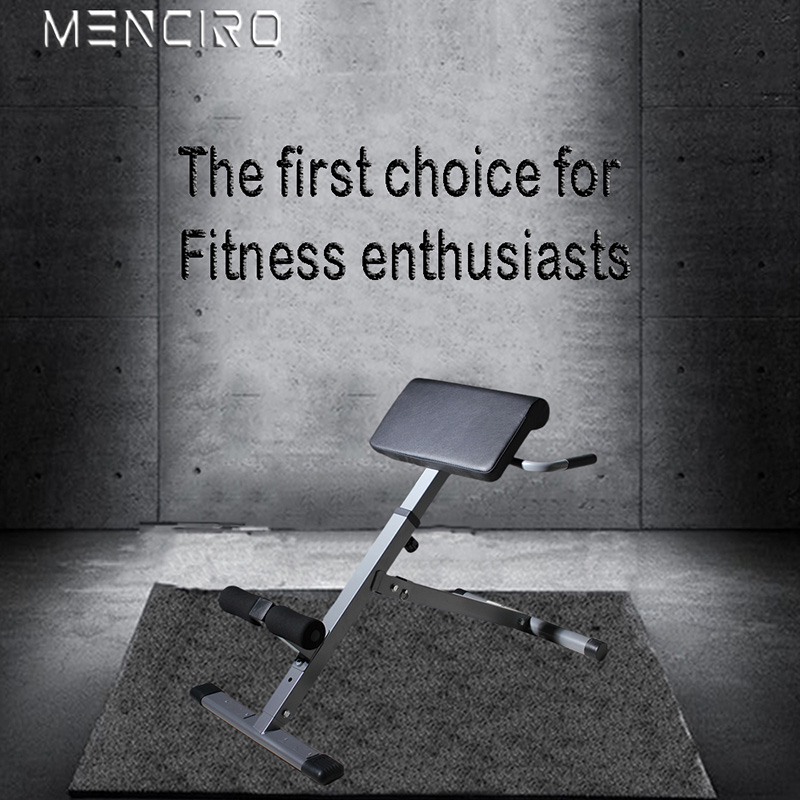 Durable Roman Chair with Straight Handrail for Core WorkThis compact Roman chair features a reinforced steel frame, nonslip foot plates, and a leather foam cushion, providing stable support for loaded back extensions and posterior-chain training.View Product →
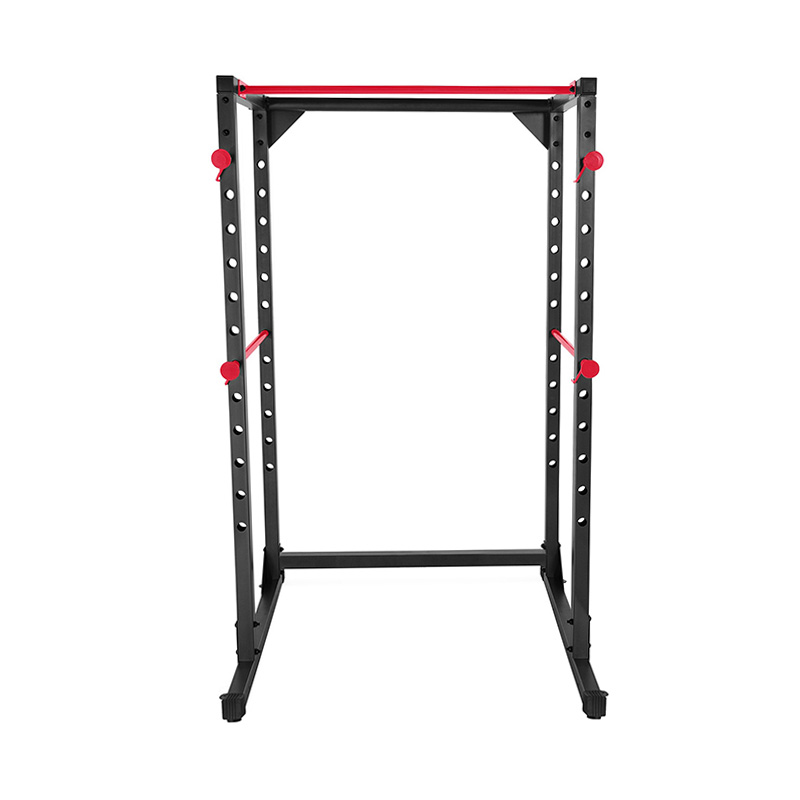
Weight Benches and Racks
A flat weight bench makes sit-up-to-press and weighted dead bug variations comfortable to train. For facilities, durability and slip resistance are the first buying criteria; a 1,000 lb rated bench is rarely a bad investment.
Facility buyers should also verify the manufacturing side. Coating adhesion, weld finish, and load-rated hardware determine how long the equipment lasts under constant use. Working directly with a fitness equipment manufacturer that can provide samples and production data makes the decision significantly easier.
A 30-Minute Weighted Core Session
You do not need a marathon of ab work to benefit. This balanced session, ordered from central to peripheral effort, takes about 30 minutes and covers all deep core functions.
- Weighted dead bug: 3 sets of 8 per side with a 2-8 kg dumbbell.
- Ab wheel rollout: 3 sets of 6-8 reps with an auto-rebound or standard wheel.
- Suitcase carry: 3 sets of 30 m per side with a 16-32 kg kettlebell.
- Roman chair weighted hyperextension: 3 sets of 10-12 reps with a 5-10 kg plate.
- Pallof press: 3 sets of 10 per side with a 5-15 kg dumbbell.
Rest 60-90 seconds between sets. Train it twice per week on non-consecutive days, and progress the load before the reps. Within 8-10 weeks, most lifters report noticeably better squat stability, less lower back fatigue by the end of the day, and more confidence under heavy loads.
Deep core exercises with weights are not about chasing sore abs. They are about building a trunk that stays rigid when it needs to and moves freely when it should. Done properly, they are one of the highest-return investments you can make in a training program, for athletes, lifters, and busy adults alike.