English
 Deutsch
 中文简体
中文简体Content
Perfect form transforms the dumbbell Romanian deadlift from a simple hip hinge into one of the most effective posterior chain builders. Your hamstrings and glutes should feel the work — your lower back should not. That single distinction separates an RDL that builds muscle from one that invites injury. This guide breaks down every element of proper technique, from setup to descent, so you can train with confidence and results.
How to Perform the Dumbbell Romanian Deadlift with Perfect Form
Follow these four steps exactly. Each one builds on the previous to create a fluid, safe movement.
- Setup: Stand with feet hip-width apart, toes pointed forward. Hold a dumbbell in each hand with an overhand grip (palms facing your thighs). Let the dumbbells rest against the front of your thighs.
- Brace and Hinge: Set a soft bend in your knees — roughly 10–15 degrees — and lock that angle throughout the movement. Brace your core as if about to take a light punch. Push your hips straight back, keeping your chest proud and shoulders pulled down and back.
- Descent: Hinge at the hips and lower the dumbbells along your shins. Keep them close to your body. Lower until you feel a deep stretch in your hamstrings — typically when the dumbbells reach mid-shin height. Do not round your lower back. If you feel tension in your lower back instead of your hamstrings, you have gone too far or your knees are too bent.
- Drive: Squeeze your glutes and push your hips forward to return to the starting position. Keep the dumbbells in light contact with your thighs as you rise. Do not hyperextend at the top — stop when your hips are fully extended and your core is braced.
For best results, use a pair of 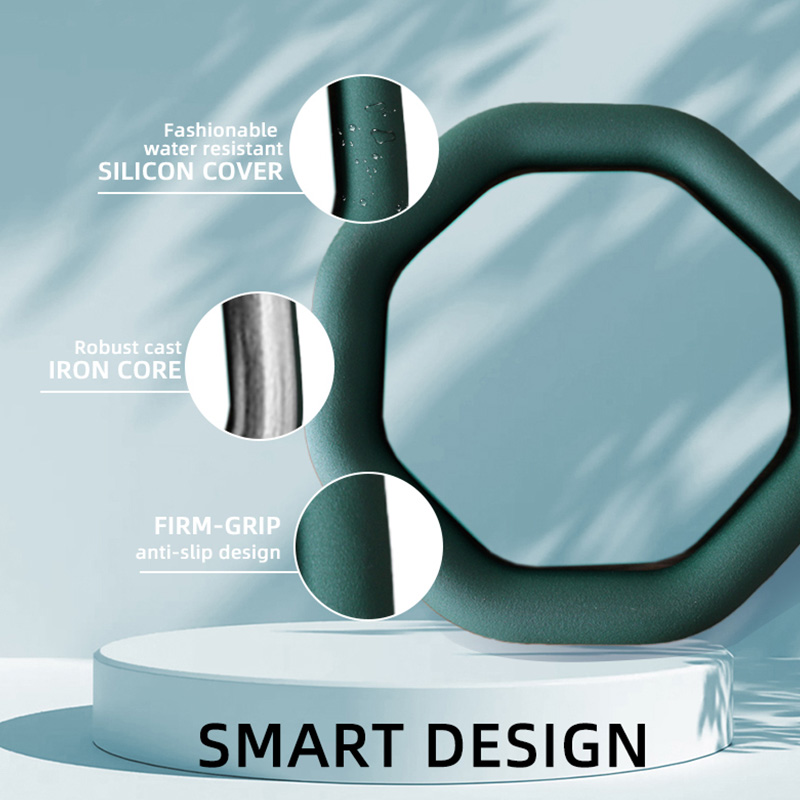 2/3/5kg Non-Slip Solid-Color Dumbbell Set with Matte FinishThe sandblasted matte surface provides a secure non-slip grip, reducing hand fatigue during extended workouts. With three progressive weights, this set supports versatile training and helps maintain control throughout hinge movements.View Product → that allow you to maintain control throughout the entire range of motion. A solid grip ensures you can focus on the hinge pattern rather than worrying about the weight slipping.
Five Form Cues That Instantly Improve Your RDL
- Cue 1: "Hips back, not down." Imagine there is a wall behind you and you are trying to touch it with your glutes. That horizontal hip travel is the essence of the hinge.
- Cue 2: "Keep the bar path vertical." The dumbbells should track straight down along your legs. Any forward drift shifts load to your lower back.
- Cue 3: "Neck neutral." Do not look up or down. Keep your chin tucked and gaze at a spot on the floor about four feet in front of you.
- Cue 4: "Pull the dumbbells apart." Imagine you are trying to bend the dumbbells outward — this tension locks your lats and stabilizes your upper back.
- Cue 5: "Load the hamstrings, not the spine." You should feel a stretch in the back of your legs, not in your lower back. If you feel it in your lower back, your form needs correction.
These cues work best when paired with equipment that provides stable, comfortable handling. For example, a set of 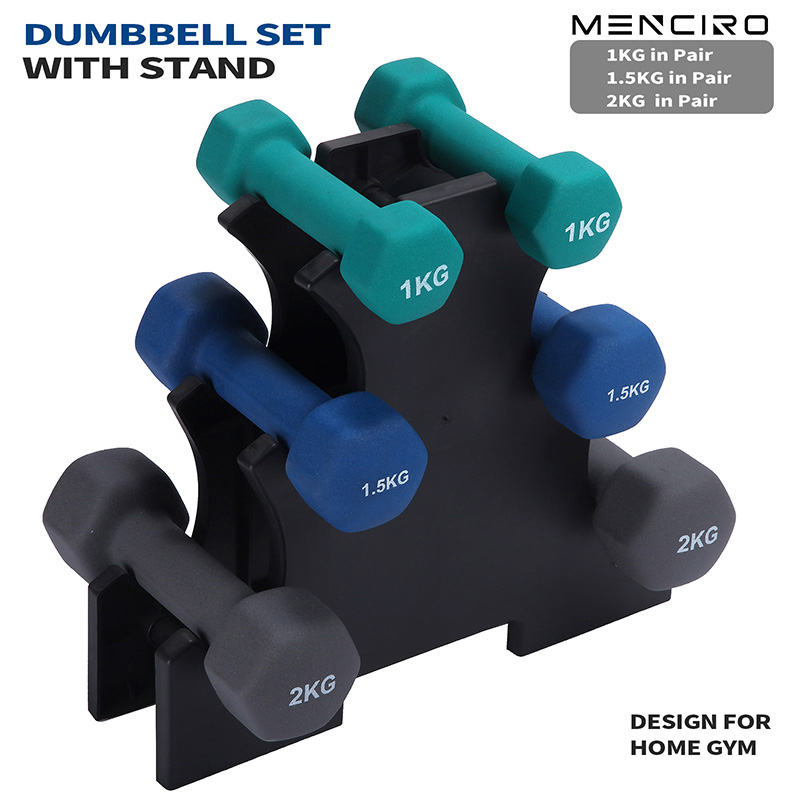 Vinyl Neoprene Rubber Coated Hex Dumbbell with Triple-Layer GripThe triple-layer coating offers moisture resistance, cushioning, and grip security. Its hexagonal shape ensures stability during heavy sets, while the comfortable handle and even weight distribution support hip-dominant exercises like Romanian deadlifts.View Product → offers a non-slip surface that enhances grip security, especially as fatigue sets in.
Common Dumbbell RDL Mistakes and How to Fix Them
| Mistake | What You Will Feel | Correction |
|---|---|---|
| Rounding the lower back | Sharp discomfort in the lumbar area | Brace your core and keep your chest up. Reduce the range of motion until you can maintain a neutral spine. |
| Excessive knee bend (turning it into a squat) | Quadriceps burn instead of hamstring stretch | Lock the knee angle at 10–15 degrees and do not change it. Focus on pushing hips back, not bending knees. |
| Letting dumbbells drift forward | Increased lower back fatigue and reduced hamstring engagement | Keep the dumbbells brushing your thighs and shins throughout the descent. Imagine you are sliding them down a zipper. |
Correcting these issues early prevents chronic strain and maximizes the muscle-building stimulus on your hamstrings and glutes. If you need to add extra support for your hips during heavy sets, consider using a 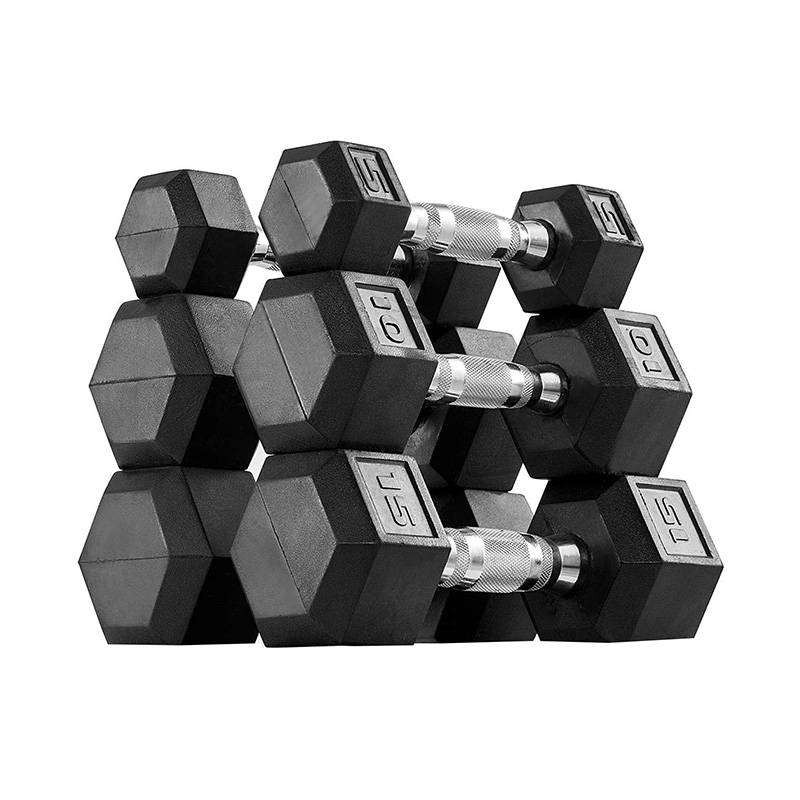 Black Multi-Sized Rubber Dumbbell Set with Hexagonal DesignThe hexagonal shape prevents rolling and the durable rubber coating provides a non-slip, comfortable grip. Clear weight markings and multiple sizes make it easy to choose the right load for hip-dominant exercises, enhancing mind-muscle connection.View Product → that offers a comfortable grip and even weight distribution.
Primary Muscles Worked by the Dumbbell RDL
Understanding which muscles do the work helps you focus your mind-muscle connection. The dumbbell Romanian deadlift is a hip-dominant exercise that primarily targets the hamstrings and gluteus maximus. The erector spinae (lower back) act as stabilizers to keep your spine neutral, but they should not be the prime movers. The trapezius and rhomboids also engage isometrically to hold the dumbbells against your body.
- Hamstrings (biceps femoris, semitendinosus, semimembranosus): Responsible for hip extension and knee flexion. They experience a powerful eccentric stretch during the descent.
- Glutes (gluteus maximus): The main driver of the concentric phase as you push your hips forward.
- Core (transverse abdominis, obliques): Provides intra-abdominal pressure to protect the spine.
- Grip muscles (forearm flexors): Work isometrically to hold the dumbbells — a good reason to choose a textured handle.
How to Choose the Right Dumbbell Weight for RDL
Weight selection for the dumbbell RDL follows one rule: start with a weight you can control for 10–12 reps with perfect form. For most beginners, that means 10–20 lbs (4.5–9 kg) per hand. Intermediate lifters often use 25–40 lbs (11–18 kg) per hand, and advanced lifters may go higher, but never sacrifice range of motion or spine neutrality for load.
Use this progression guide:
- Bodyweight only: Practice the hip hinge pattern until it feels natural.
- Light dumbbells (5–10 lbs per hand): Add load but maintain full range of motion.
- Moderate dumbbells (15–25 lbs per hand): Focus on tempo — 3 seconds down, pause, 1 second up.
- Heavy dumbbells (30+ lbs per hand): Only after you can complete 12 reps with moderate weight without form breakdown.
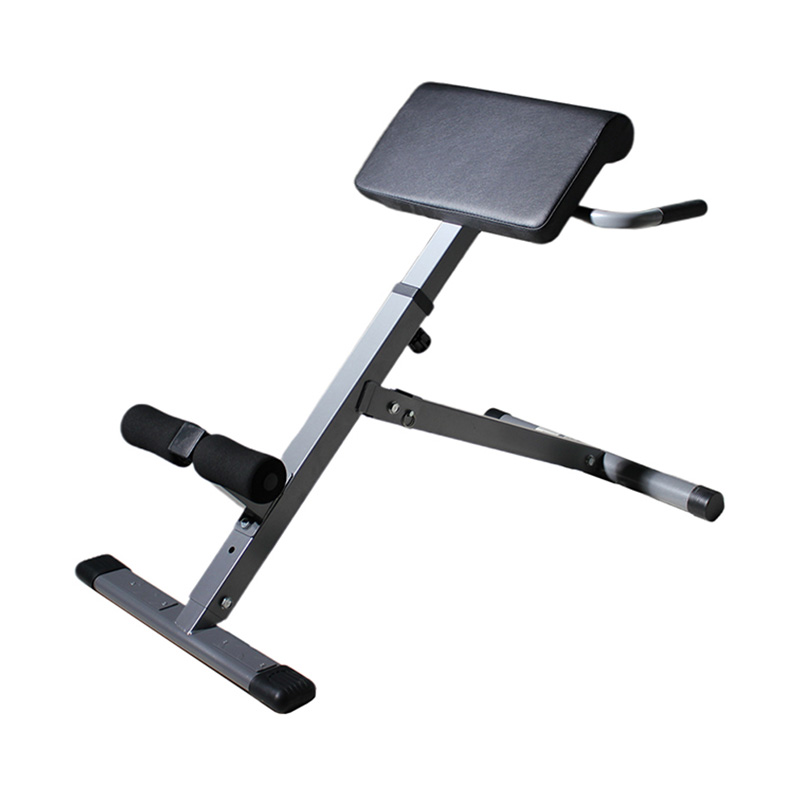
When you are ready to progress, consider pairing your dumbbell RDL with a reliable dumbbell rack to keep your training area organized and reduce the risk of tripping over scattered equipment. Also, a quality adjustable weight bench can complement your setup for other posterior chain work like hip thrusts or glute bridges.
Mastering the dumbbell Romanian deadlift form unlocks a safe, powerful way to build stronger hamstrings and glutes. Focus on the hinge pattern, keep your spine neutral, and let your posterior chain do the work. Progress gradually with controlled weights, and your body will reward you with better movement quality and muscle development. Stick with these principles every session, and the RDL will become a cornerstone of your lower body training.