In the long history of strength training and functional fitness, the kettlebell has always held a crucial position. It is not only a fitness tool but also a work of art combining gravity and human biomechanics.
As a pioneer in the field of fitness equipment manufacturing, Nantong Dingfeng Fitness Equipment Co., Ltd. is committed to perfectly integrating traditional training equipment with modern manufacturing precision, leveraging its exquisite craftsmanship and industrial expertise.
I. The Structural Philosophy and Center of Gravity Logic of Kettlebells
The most fundamental difference between kettlebells and dumbbells lies in their asymmetry.
Off-center center of gravity design: The center of gravity of a kettlebell is located outside the handle. This design generates powerful centrifugal force during swings or snatches, forcing the trainee to engage core muscles to maintain body stability.
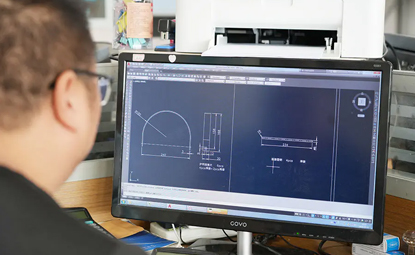
Handle thickness and curvature: Professional-grade kettlebells pay meticulous attention to the polishing of the handle. Nantong Dingfeng uses CNC machining centers to ensure the consistency of the handle's curvature, guaranteeing sufficient friction during gripping while preventing excessive wear on the palms during high-speed rotation.
Sphere proportion: Standard competition kettlebells maintain a consistent outer volume regardless of weight. This design ensures that the contact point between the equipment and the forearm, and the trajectory during rotation, remain constant regardless of the training weight, thus establishing precise muscle memory.
II. Multidimensional Analysis of Core Training Value
Kettlebell training is known as a "mobile gym," and its core value lies in comprehensively challenging the body's overall fitness.
Integration of the explosive power chain: Kettlebell training focuses on the "posterior chain"—the back, glutes, and hamstrings. Through explosive hip joint drive, trainees can generate explosive power.
Building dynamic stability: Due to the variable center of gravity, kettlebell exercises, such as the Turkish Get-Up, place high demands on the fine-tuning ability of the rotator cuff muscles and the anti-rotational capacity of the torso.
Dual benefits of cardiovascular and strength training: High-frequency kettlebell interval training can rapidly increase heart rate, transforming strength training into an efficient aerobic metabolic process.
III. Manufacturing Process and Quality Foundation
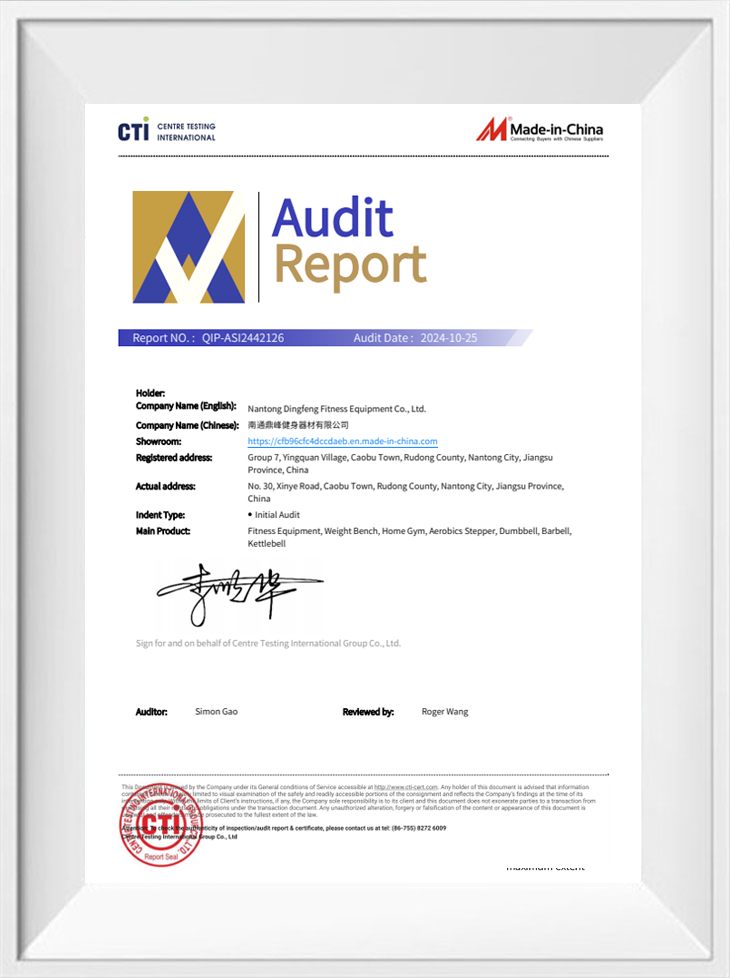
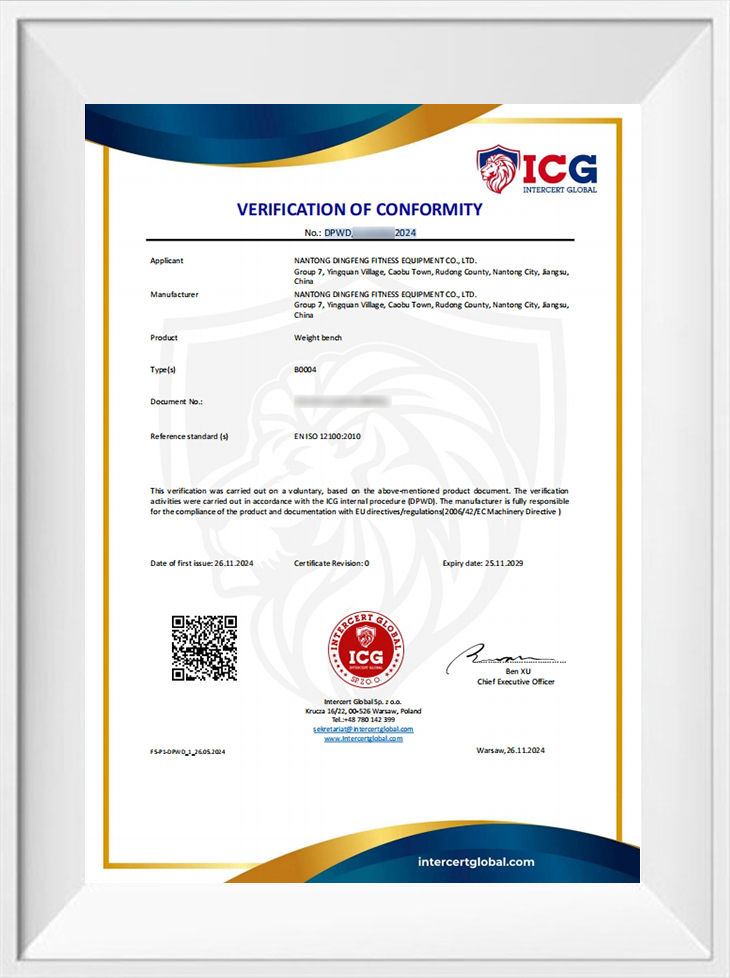
The durability of the equipment determines the safety of the training. Nantong Dingfeng Fitness Equipment Co., Ltd. utilizes German-imported precision processing equipment in the mass production of kettlebells, ensuring that each kettlebell is not only a weight but also an embodiment of industrial standards.
Material Density: Through a raw material testing system, internal pores and impurities are eliminated. The solid casting process ensures that the ball will not deform or shatter during high-intensity impacts or landings.
Surface Coating Process: Modern coating technology is not only for aesthetics but, more importantly, for rust prevention and balanced feel. The professional coating absorbs magnesium powder while maintaining excellent skin-friendliness.
CNC Calibration: Relying on a fully intelligent production system, every kettlebell leaving the factory undergoes precise calibration of its geometric center of gravity, ensuring balanced force distribution during training.
IV. Comparison of Common Kettlebell Specifications and Types
To facilitate selection for professional buyers and fitness professionals, the following summarizes the characteristic differences of mainstream kettlebells:
| Feature Dimension |
Competition Kettlebell |
Classic Cast Iron Kettlebell |
Vinyl/Rubber Coated Kettlebell |
| External Dimensions |
Standardized size; remains constant regardless of weight. |
Dimensions increase proportionally with weight. |
Varied designs; typically features a protective outer layer. |
| Material Characteristics |
High-grade steel; solid core or precision internal weighting. |
Monoblock gray cast iron casting. |
Cast iron core with a synthetic polymer shell. |
| Handle Texture |
Thinner diameter; optimized for high-frequency grip transitions. |
Slightly thicker; emphasizes grip endurance and raw strength. |
Smoother surface; designed for home comfort and entry-level use. |
| Core Application |
Professional championships and advanced technical training. |
Foundational strength training and CrossFit modalities. |
Home fitness environments; focuses on floor protection. |
| Manufacturing Complexity |
High (Requires precise internal calibration of the center of gravity). |
Medium (Focuses on casting consistency and density). |
Low (Prioritizes aesthetic finish and external coating). |
V. FAQ: Common Questions and Concerns from a Professional Perspective
Q: Why is the center of gravity design of a kettlebell more difficult to manufacture than that of a dumbbell?
A: The center of gravity of a dumbbell is located in the center of the palm, resulting in even force distribution. However, the center of gravity of a kettlebell is offset to one side. During the casting process, if the internal density is uneven or the geometric center is shifted, irregular swinging will occur during dynamic training. Nantong Dingfeng uses CNC machining centers to solve this physical balance problem in asymmetrical structures.
Q: How to choose between cast iron kettlebells and steel competition kettlebells?
A: If you pursue the ultimate precision in your movements or are preparing for relevant competitions, competition kettlebells offer a more consistent experience; if you are performing heavy basic squats or deadlifts, classic cast iron kettlebells offer better grip and value for money.
Q: Will paint peeling on the surface of the kettlebell affect its use?
A: The paint mainly serves as rust protection. High-quality manufacturing processes (such as Nantong Dingfeng's comprehensive quality control system) ensure the adhesion of the coating to the metal surface. If the paint peels off, it should be cleaned promptly and kept dry to prevent rust from affecting the equipment's lifespan.
Q: How should beginners assess the quality of a kettlebell?
A: First, check if there are obvious mold lines at the bottom of the handle (a rough feel indicates poor quality); second, check if the base is flat (affecting stability); finally, check for sand holes or dents on the surface, which reflects the rigor of raw material inspection.


 English
 Deutsch
 中文简体
中文简体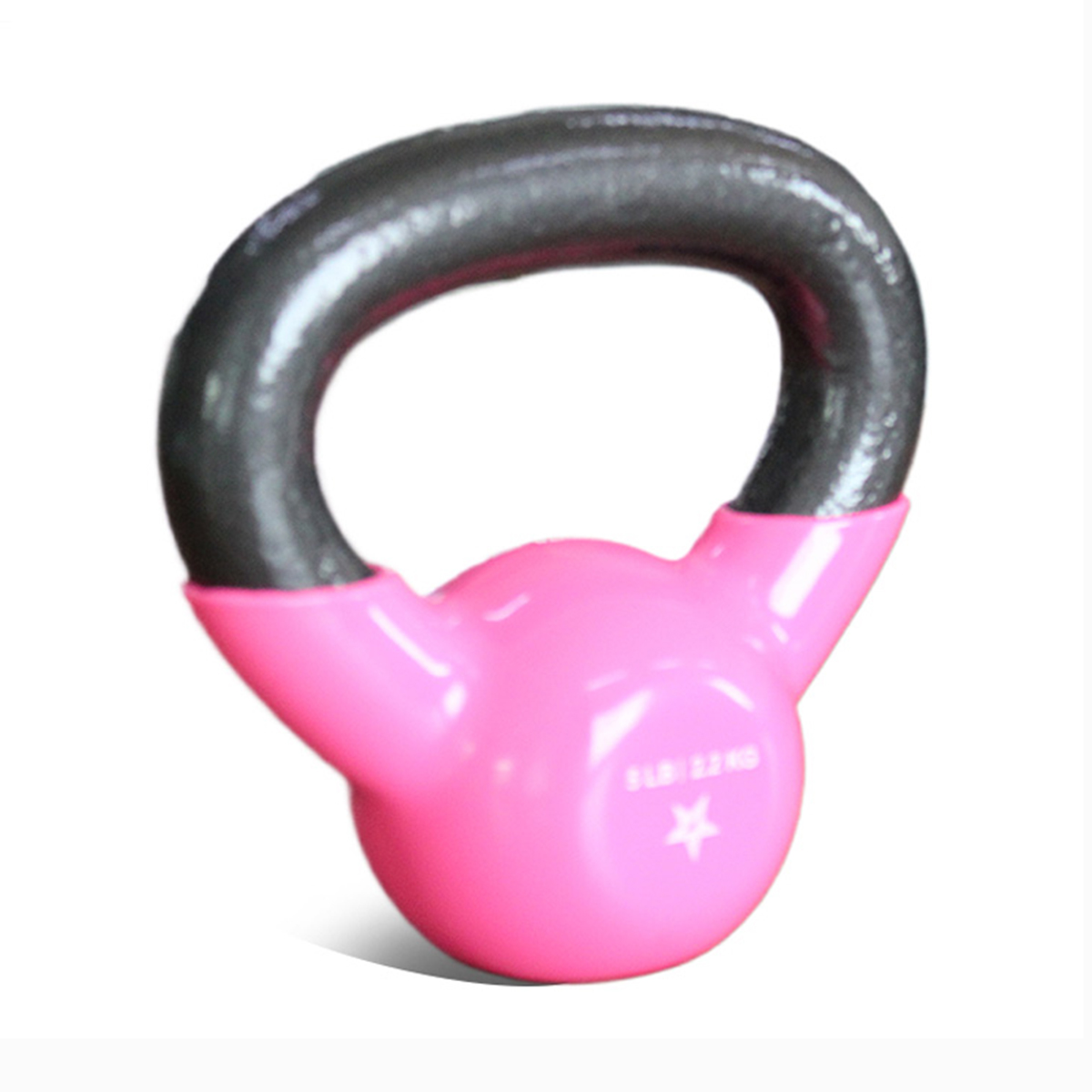 Vinyl Cast Iron Kettlebell L0001
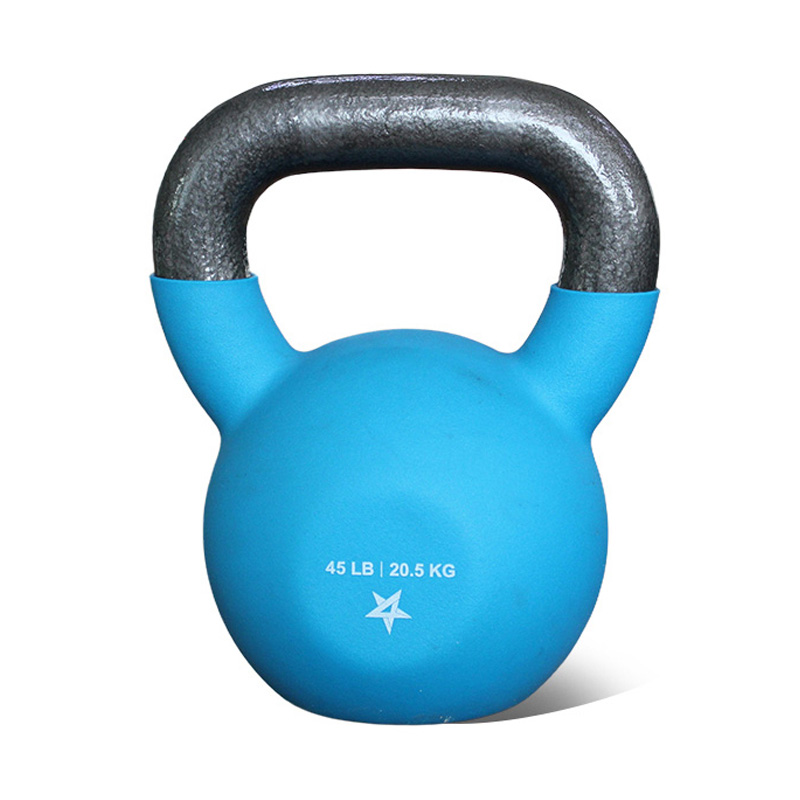 Coated Conditioning Training Kettlebells L0006