


 English
 Deutsch
 中文简体
中文简体1. Adjustability: The core feature of the adjustable portable squat rack is its height adjustability...
-
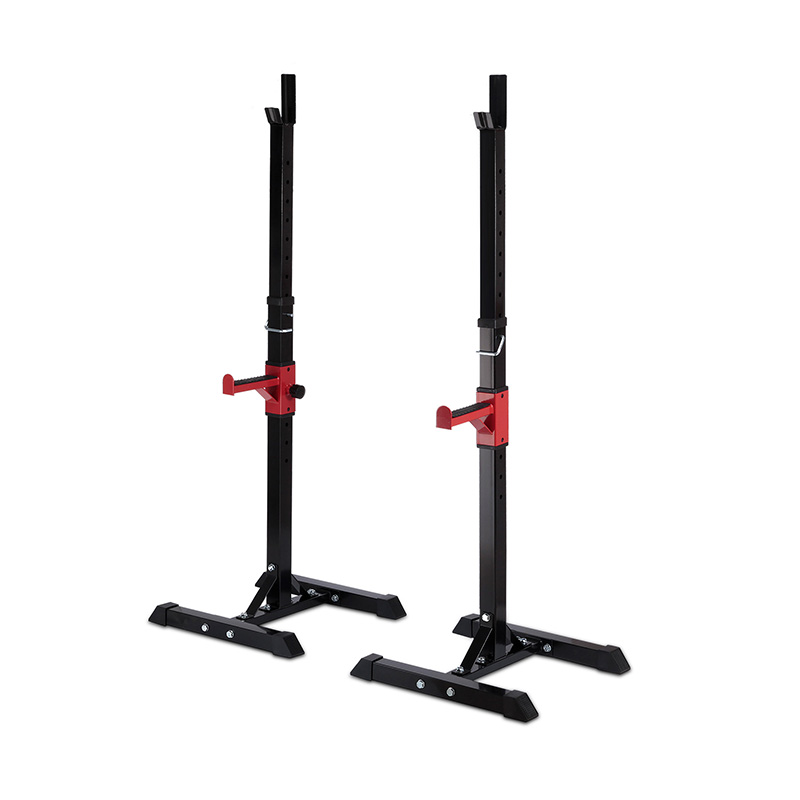 Black Squat Rack D0002
1. Adjustability: The core feature of the adjustable portable squat rack is its height adjustability...
Squat Rack is a fitness equipment designed specifically for squat training. It consists of a stable column and an adjustable crossbar to support the barbell and ensure safety during training. The rack is not only suitable for various squat variations but can also be used for other strength training movements such as bench presses and pull-ups. It is a common multi-functional training equipment in gyms and home fitness spaces.
If you want a straight answer: the rowing machine, stationary bike, and treadmill consistently outperform other fitness equipment for burning belly fat — but only when combined with enough intensity and frequency. No single machine melts fat in isolation. What matters is how much total en...
The Top 5 Gym Machines Worth Your Time If you've ever walked into a gym and felt overwhelmed by rows of gym equipment, you're not alone. The truth is, most people don't need to use every machine on the floor. Research consistently shows that a handful of well-chosen gym machines can cover...
The Direct Answer: Best-Selling Fitness Equipment Categories in 2026 If you want the bottom line up front: treadmills, resistance bands, adjustable dumbbells, and stationary bikes remain the top-selling fitness equipment globally in 2026—but smart, AI-connected versions of these products ...
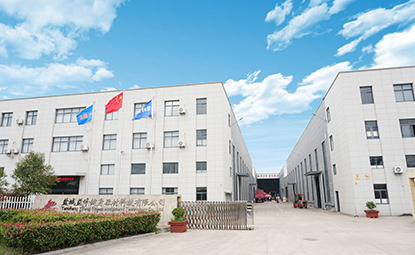
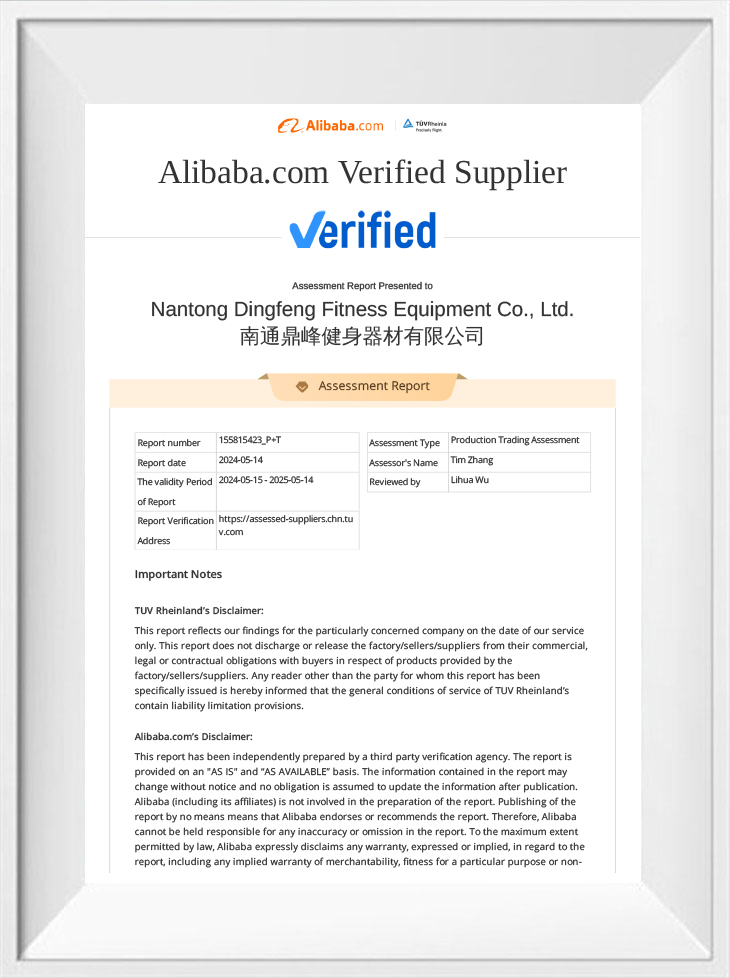
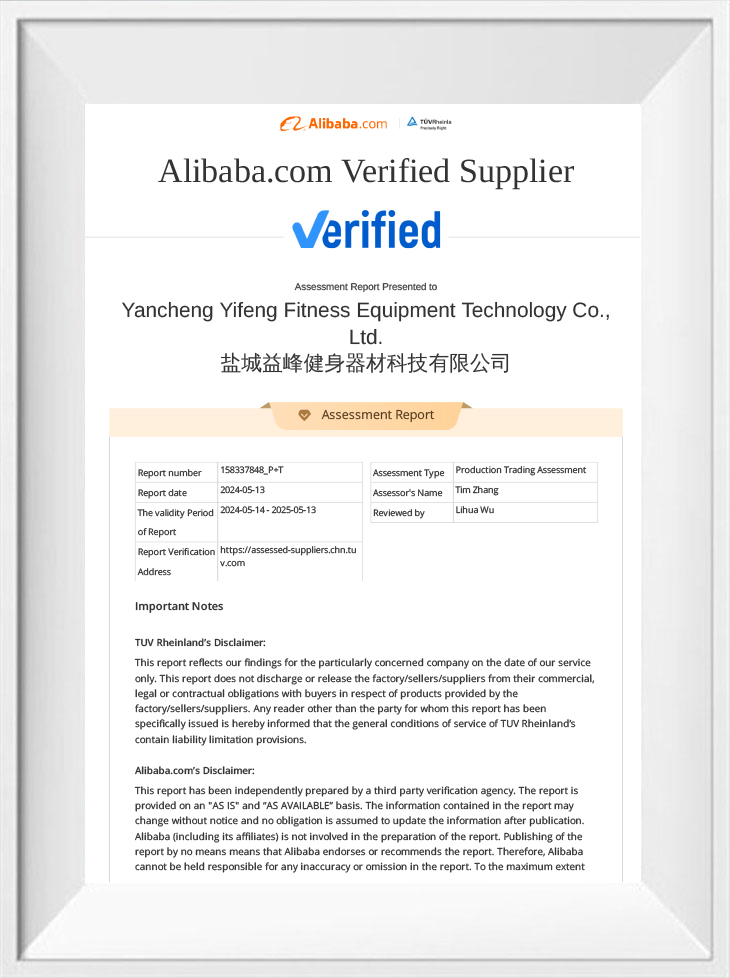
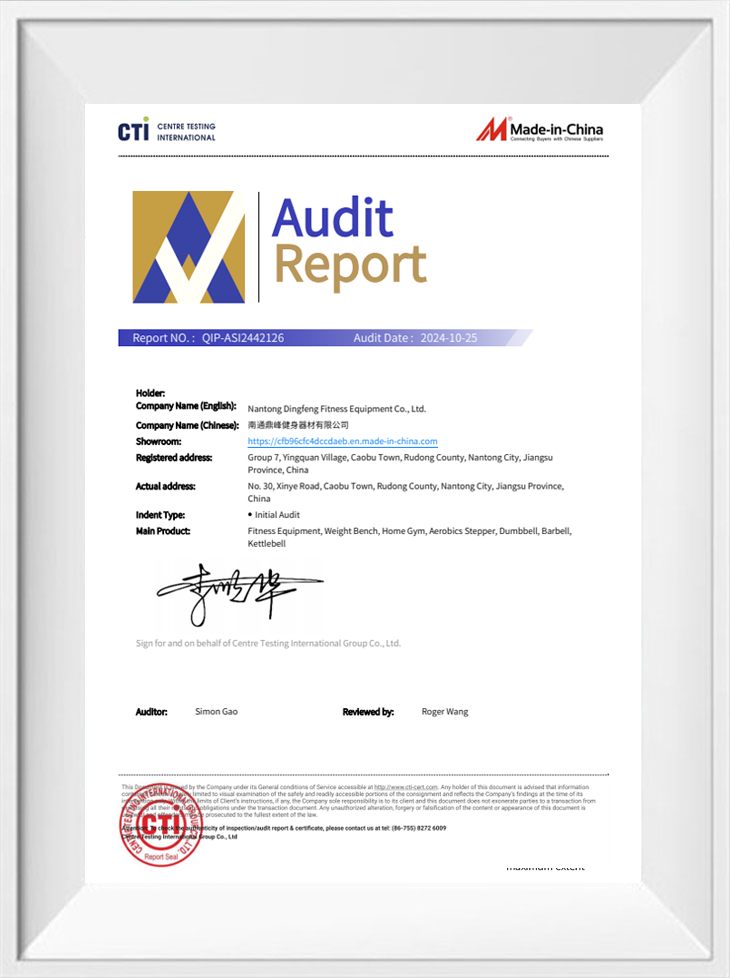
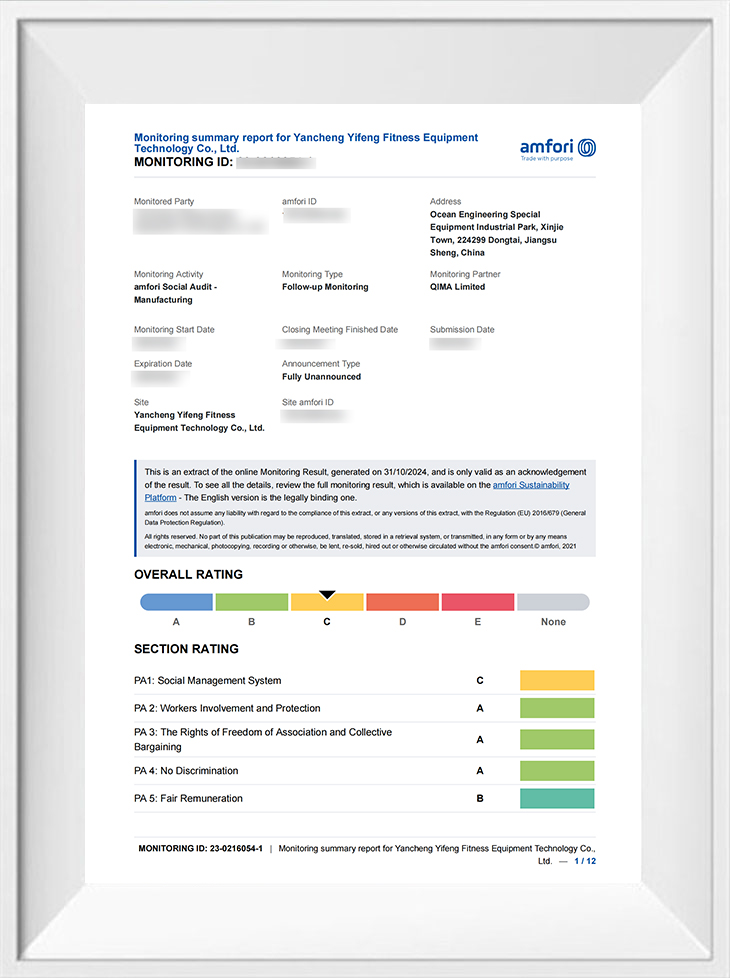
In the realm of strength training, the squat rack is hailed as the "soul of the gym." It's not merely a steel structure supporting weight, but a safe haven for trainees to push their limits. Nantong Dingfeng Fitness Equipment Co., Ltd., with its profound manufacturing expertise and forward-thinking design philosophy, has redefined this core training equipment by deeply integrating ergonomics and industrial aesthetics.
I. The Core Position of the Squat Rack in Strength Training
The core value of the squat rack lies in spatial reconfiguration and safety support. It serves not only for squats but also as the central hub for compound movements such as bench press, overhead press, and pull-ups.
Stability and Rigidity: A high-quality squat rack must be able to withstand the impact of dynamic loads. Dingfeng emphasizes the physical stability of the base in its structural design, ensuring that the frame does not shift or wobble during heavy lifts.
Safety Protection Mechanism: The design of safety pins or safety straps is the essence of the squat rack. They provide a last line of defense when the trainee reaches exhaustion, preventing the barbell from directly crushing the body.
Training Freedom: Unlike fixed equipment, the squat rack allows the barbell to move along the natural trajectory of human movement, which helps to recruit more deep stabilizing muscle groups and improve functional strength.
II. The Integration of Structural Aesthetics and Customized Design
Nantong Dingfeng Fitness Equipment Co., Ltd. understands that different venues have varying space limitations and audience needs. Therefore, we have incorporated **"modular" and "customized"** genes into the development of our squat racks.
Space Adaptation Solutions: Whether it's a large commercial fitness center or a private studio, the Dingfeng design team ensures that the equipment perfectly fits into the existing space without sacrificing functionality through precise adjustments of column height and beam span.
Appearance and Brand Resonance: Equipment shouldn't be just cold metal. We offer a variety of coating processes, integrating the client's brand colors and visual identity system into the rack surface to enhance the professional atmosphere of the venue.
Functional Expansion Modules: The squat rack is no longer just a single support frame. By adding attachments such as landmine attachments, resistance band anchor points, and dip bar attachments, Dingfeng transforms a single piece of equipment into a versatile training station.
III. Professional Classification and Application Scenarios of Squat Racks
Based on training intensity and space utilization, squat racks are generally divided into several main types. Dingfeng has implemented targeted process optimizations for each type:
| Category | Structural Characteristics | Ideal Application | Core Advantages |
| Power Rack | Enclosed four-post structure with expansive safety zones. | Professional strength facilities & high-intensity training zones. | Provides maximum safety; highest compatibility for specialized attachments. |
| Half Rack | Dual main uprights integrated with rear weight storage pegs. | Commercial gyms & facilities requiring space efficiency. | Blends dedicated training space with integrated plate management. |
| Squat Stands | Two independent support pillars; highly mobile and compact. | Boutique studios & multi-functional group class rooms. | Exceptional flexibility; easily storable when not in use to clear floor space. |
| Wall Mount Rack | Vertically anchored to the wall; often features a folding mechanism. | Home gyms & narrow or corridor-style training areas. | Extreme space-saving profile; maintains an open and clean floor layout. |
IV. The "Dingfeng Standard" in Manufacturing Processes
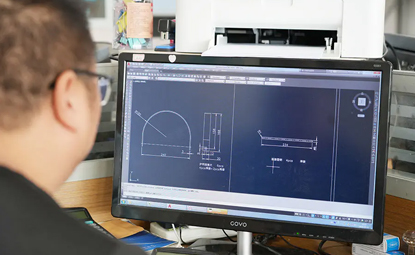
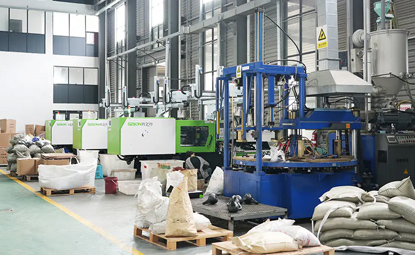
At Nantong Dingfeng's production line, every squat rack undergoes a high-standard refinement process from design drawings to finished product.
Material Selection: We use high-grade industrial steel, ensuring the maximum load capacity and fatigue strength of the rack from the source.
Precision Machining: Using CNC laser cutting technology, we ensure that the spacing of each adjustment hole is precise, allowing users to quickly switch heights during exercise.
Surface Treatment: Through multiple electrostatic powder coating processes, the rack not only has excellent corrosion resistance but also boasts an excellent grip and visual texture.
Ergonomic Verification: Our design team simulates various body types during training to optimize the hole density of the J-Hooks, achieving "fine-tuning" level height control.
V. Frequently Asked Questions (FAQ)
Q: Why are the size and thickness of the squat rack uprights so important?
A: The uprights are the load-bearing pillars of the entire structure. Thicker wall thickness and larger cross-sectional area not only mean higher physical load-bearing capacity, but more importantly, they increase the damping effect of the equipment under stress, reducing unnecessary vibrations and thus enhancing the user's sense of security.
Q: How does Nantong Dingfeng address uneven ground issues during equipment installation?
A: Our design team considers ground conditions from the initial development stage. By equipping adjustable leveling feet or incorporating structural reinforcements in custom designs, we ensure that the equipment remains perfectly level and stable under any ground conditions.
Q: Does customizing a squat rack mean a longer delivery time?
A: Although customization involves detailed communication and drawing modifications, Dingfeng has a mature supply chain management system and an efficient collaborative design team. Through modular inventory and flexible production lines, we minimize production cycles while ensuring personalized needs are met.
Q: What are the recommended configurations for accessory systems (such as pull-up bars)?
A: This depends on your target customers. For CrossFit facilities, we recommend multi-angle pull-up bars; for pure powerlifting facilities, a heavy-duty straight bar is more recommended to simulate a real competition feel.
 +86-13773790458
 [email protected]
 No. 30, Xingye Road, Caobu Town, Rudong County, Nantong , Jiangsu, China.
Copyright © Nantong Dingfeng Fitness Equipment Co., Ltd.
All Rights Reserved.
 Custom Commercial Squat Rack Suppliers
Best Home Squat Rack Factory
Custom Commercial Squat Rack Suppliers
Best Home Squat Rack Factory
