In the landscape of modern strength training, the Power Rack is hailed as the "soul" of the gym. It's not only a safety barrier for heavy lifting but also the core cornerstone for building systematic physical training programs.
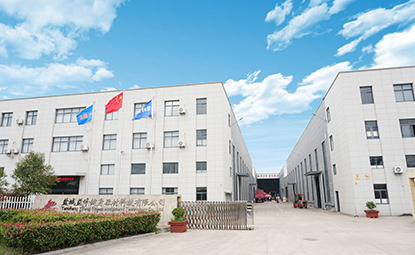
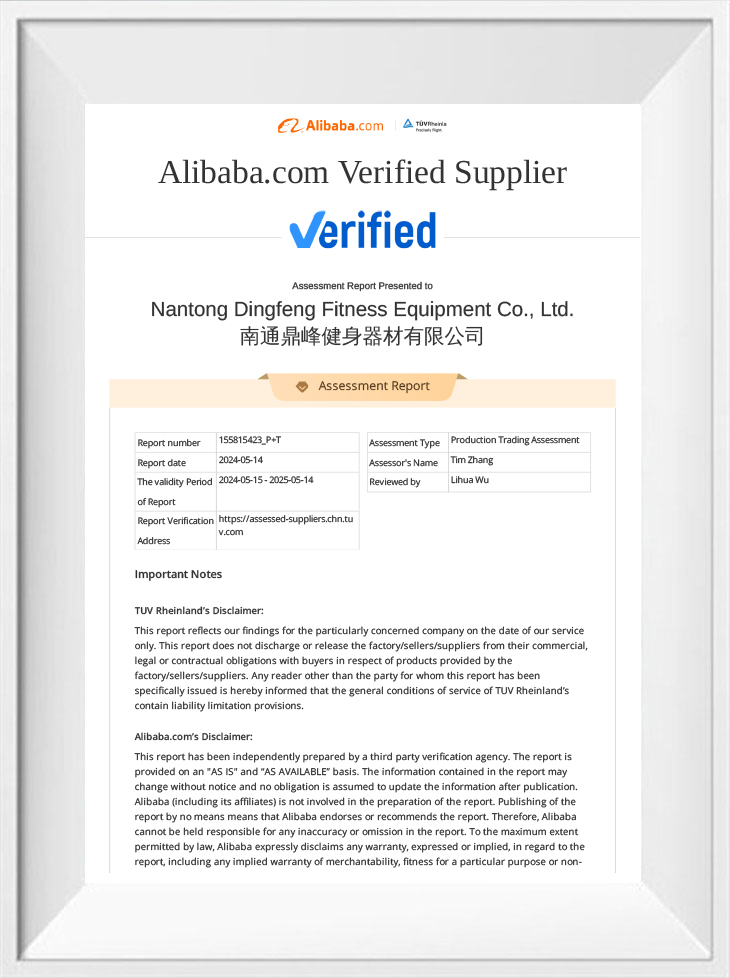
As a strength training expert with many years of experience in the industry, Nantong Dingfeng Fitness Equipment Co., Ltd. is committed to integrating industrial-grade high-standard craftsmanship with ergonomic design. In our understanding, an excellent Power Rack is not just a pile of steel; it's a training hub tailored to different application scenarios—from high-intensity commercial clubs to sophisticated home gyms.
Core Design Concepts and Structural Advantages
1. Structural Rigidity and Spatial Physics
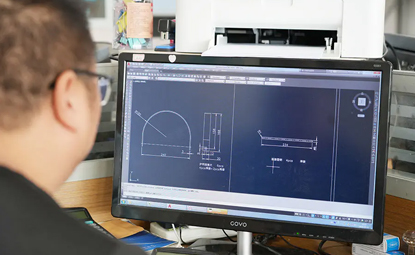
The essence of a Power Rack is a stable rectangular cage structure. During the R&D process, Nantong Dingfeng prioritizes the torsional resistance of the steel. The four-pillar support system forms a "safety cage," which not only provides physical protection for the user but also allows for a wide range of movements, such as squats, presses, and various stretching exercises, within its spacious interior.
2. Precision of the Multi-Hole Adjustment System
High adjustability is the essence of the Power Rack. Through densely spaced adjustment holes, users can precisely set the positions of the J-Cups and Safety Spotters according to their height and range of motion. This design ensures that whether performing heavy concentric training or eccentric training under extreme conditions, the equipment provides stable support at critical moments.
3. Extensibility of Multifunctional Modules
Modern strength training emphasizes efficiency. In Nantong Dingfeng's product solutions, the Power Rack is often considered a "training mothership." By adding pull-up bars, dip bars, resistance band hooks, and weight plate storage racks to the frame, a single rack can be transformed into a fully functional physical training center.
In-Depth Adaptation to Application Scenarios
Commercial Gyms and Professional Clubs
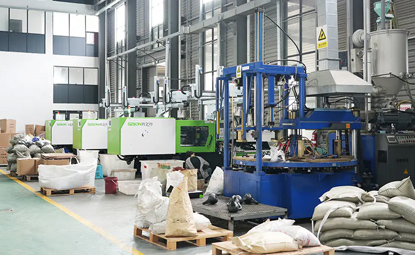
In high-frequency commercial use environments, the durability and maintenance costs of the equipment are core concerns for operators. Our Power Rack solutions emphasize extremely high surface treatment processes (such as electrostatic powder coating) to resist wear and tear from long-term equipment collisions. At the same time, the high load capacity can meet the extreme challenges of professional athletes and experienced enthusiasts. Home Fitness and Private Studios
For home environments, Nantong Dingfeng focuses on balancing space efficiency and aesthetics. By optimizing the footprint and paying attention to details in noise reduction (such as adding high-polymer shock-absorbing pads), heavy weight training can be performed indoors with low noise and high safety, truly bringing "professional strength training into your home."
Technical Feature Comparison Reference
To better understand the performance dimensions of the Power Rack, the following is a comparison of the technical logic of the core components:
| Core Component |
Functional Description |
Professional Value & Performance |
| Main Frame Structure |
The vertical uprights and base frame connection system. |
Determines structural rigidity, vibration resistance, and stability under extreme static and dynamic loads. |
| J-Hooks / J-Cups |
The primary docking and starting point for the barbell. |
High-grade liners (e.g., UHMW plastic) protect barbell knurling and minimize noise during re-racking. |
| Safety Mechanisms |
Horizontal safety bars, straps, or spotter arms. |
Enables solo training with maximum weights by providing a fail-safe catch system for failed repetitions. |
| Pull-Up Assembly |
Integrated multi-angle grip bars at the top of the frame. |
Expands the rack's utility to include bodyweight training for back and core hypertrophy. |
| Attachment Ports |
Precision-drilled holes for modular upgrades. |
Ensures long-term versatility, allowing for the addition of dip stations, landmines, or plate storage. |
Frequently Asked Questions (FAQ)
Q: Why is a Power Rack considered essential in strength training?
A: The core reason is "safety and self-rescue." During free weight training, if muscle fatigue or loss of control occurs, the safety bars of the Power Rack can instantly catch the barbell, preventing injury to the athlete.
Q: How does Nantong Dingfeng's product design balance durability and aesthetics?
A: We strictly adhere to industrial standards in material selection, while also pursuing meticulous detail in welding and coating techniques. The flatness of every weld and the texture of the powder coating are designed to meet the high demands of modern fitness spaces for equipment appearance.
Q: Is a Power Rack too complex for beginners?
A: On the contrary. The fixed track logic provided by the Power Rack (although it's free weight training, there are safety boundaries) helps beginners learn basic movements such as squats and deadlifts in a relatively safe environment, making it an ideal starting point for building training confidence.
Q: How to choose the right Power Rack based on the size of the training space?
A: We recommend prioritizing "dynamic training space" rather than just looking at the equipment dimensions. Nantong Dingfeng offers various specifications, including compact racks for smaller spaces and wider versions for professional gyms, to ensure that movements are not restricted during training.


 English
 Deutsch
 中文简体
中文简体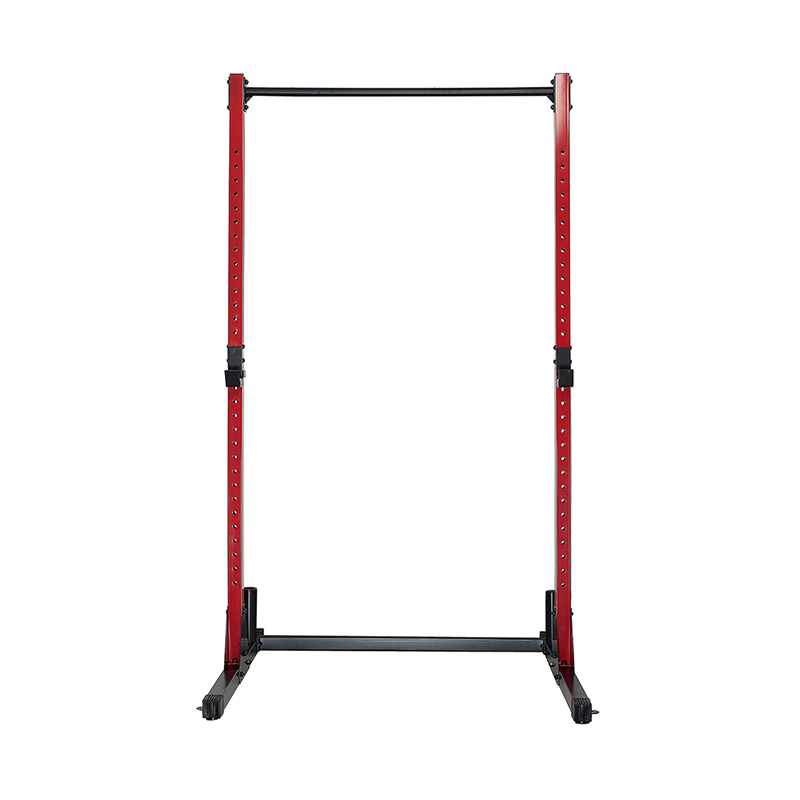 Adjustable and Durable Red Power Cage for Strength Training D0001
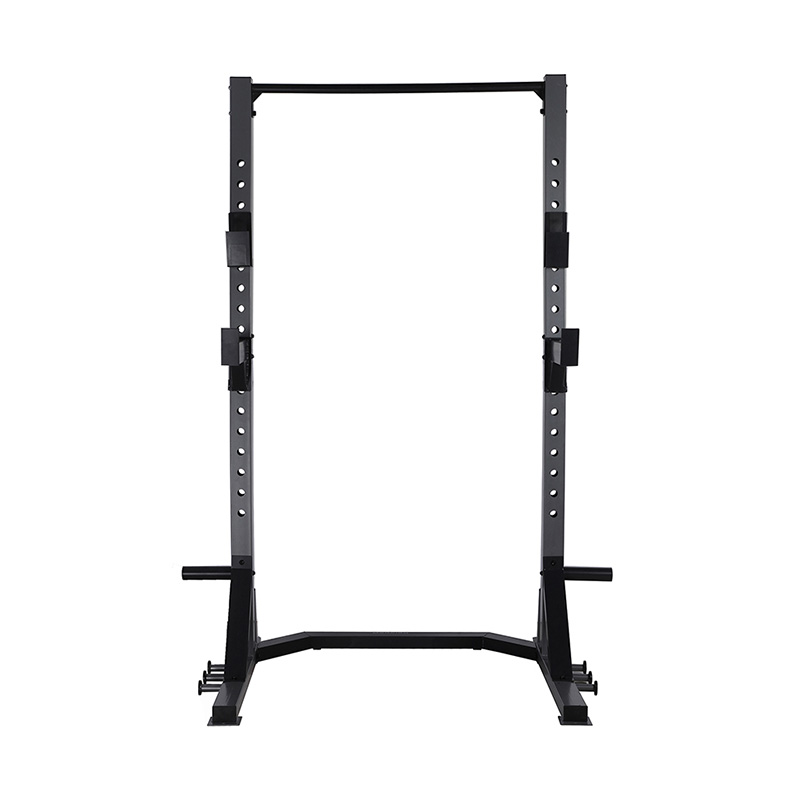 Durable Grey Power Cage, Gym Equipment for Strength Training D0003
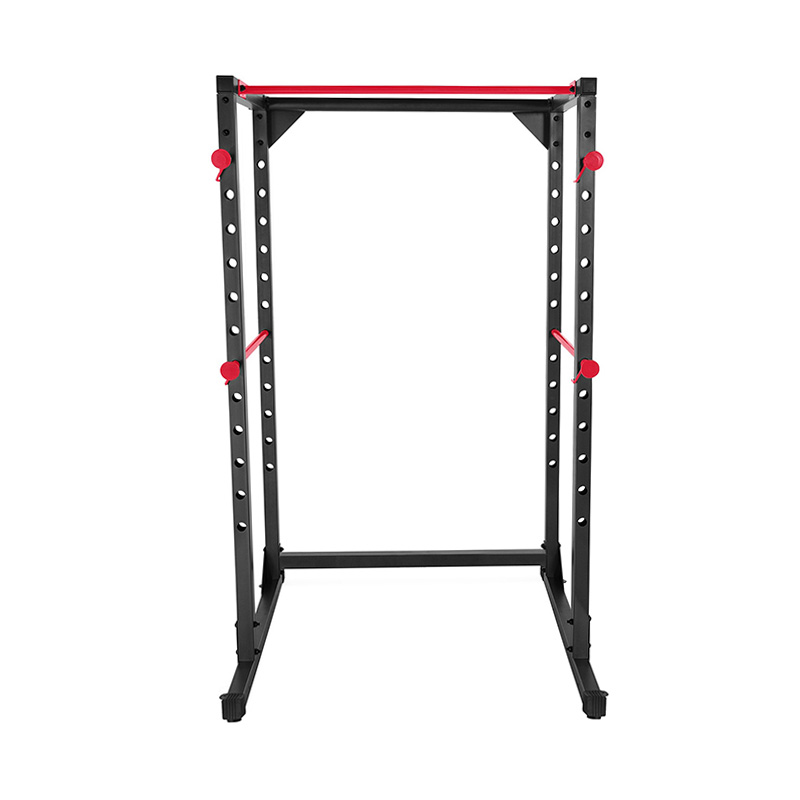 Black Power Cage, Gym Workout Equipment for Strength and Stamina Training D0004
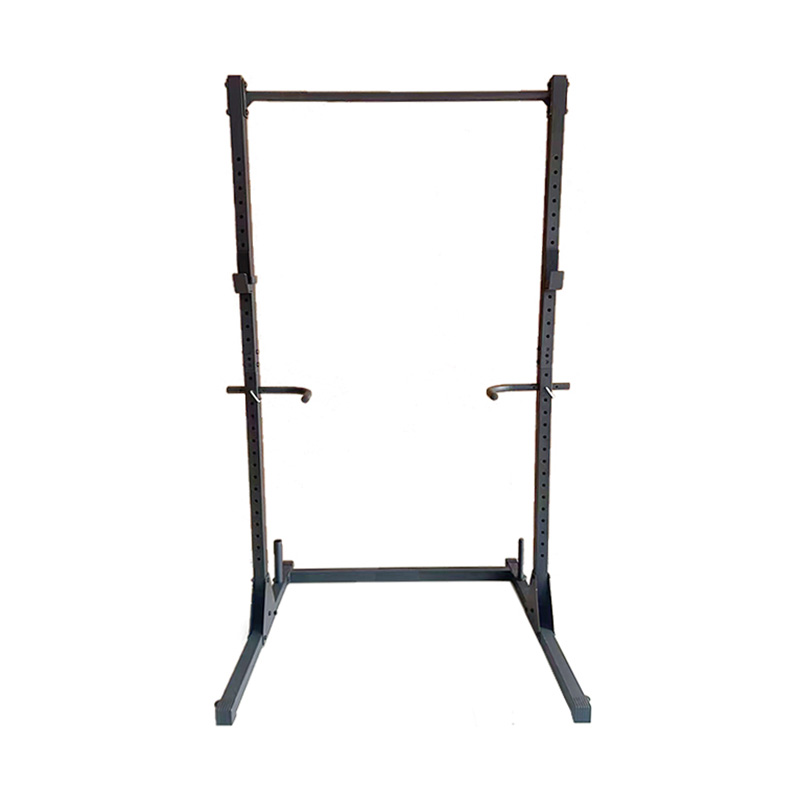 Black Power Cage D0006
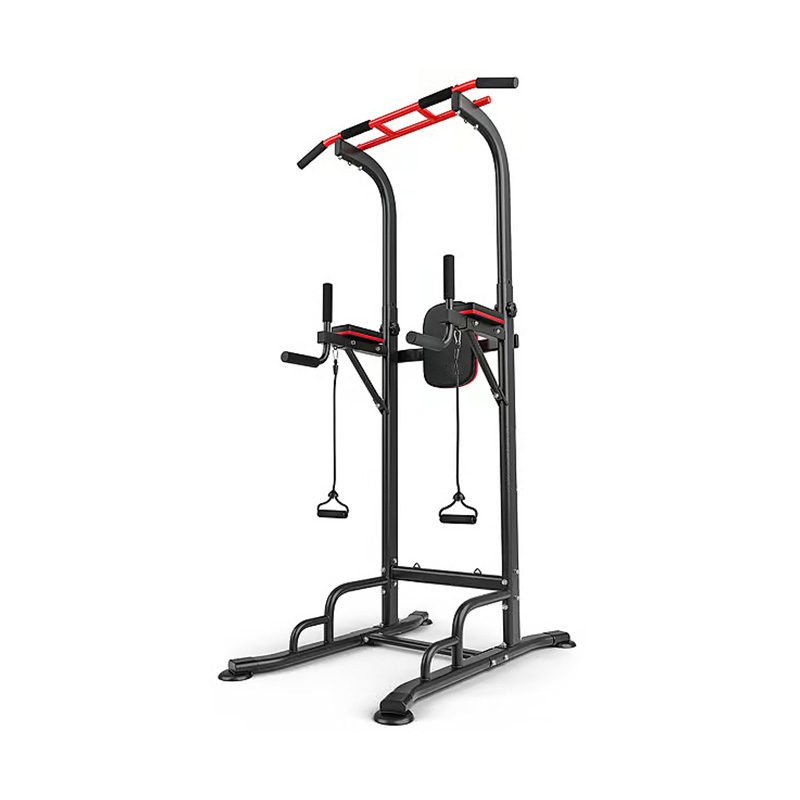 Multifunctional Power Cage Combination, Suitable for Full Body Training D0007