English
 Deutsch
 中文简体
中文简体Content
- Cardio Machines: The Full List of Names and Uses
- Strength Training Machines: Names and Muscle Targets
- Free Weights: Every Type of Dumbbell, Barbell, and Weight Equipment
- Racks, Benches, and Structural Equipment
- Functional Fitness and CrossFit Equipment Names
- Core Training Equipment Names
- Flexibility, Stretching, and Recovery Equipment
- Boxing and Martial Arts Gym Equipment
- Specialty and Sport-Specific Gym Equipment
- How to Choose the Right Gym Equipment for Your Goals
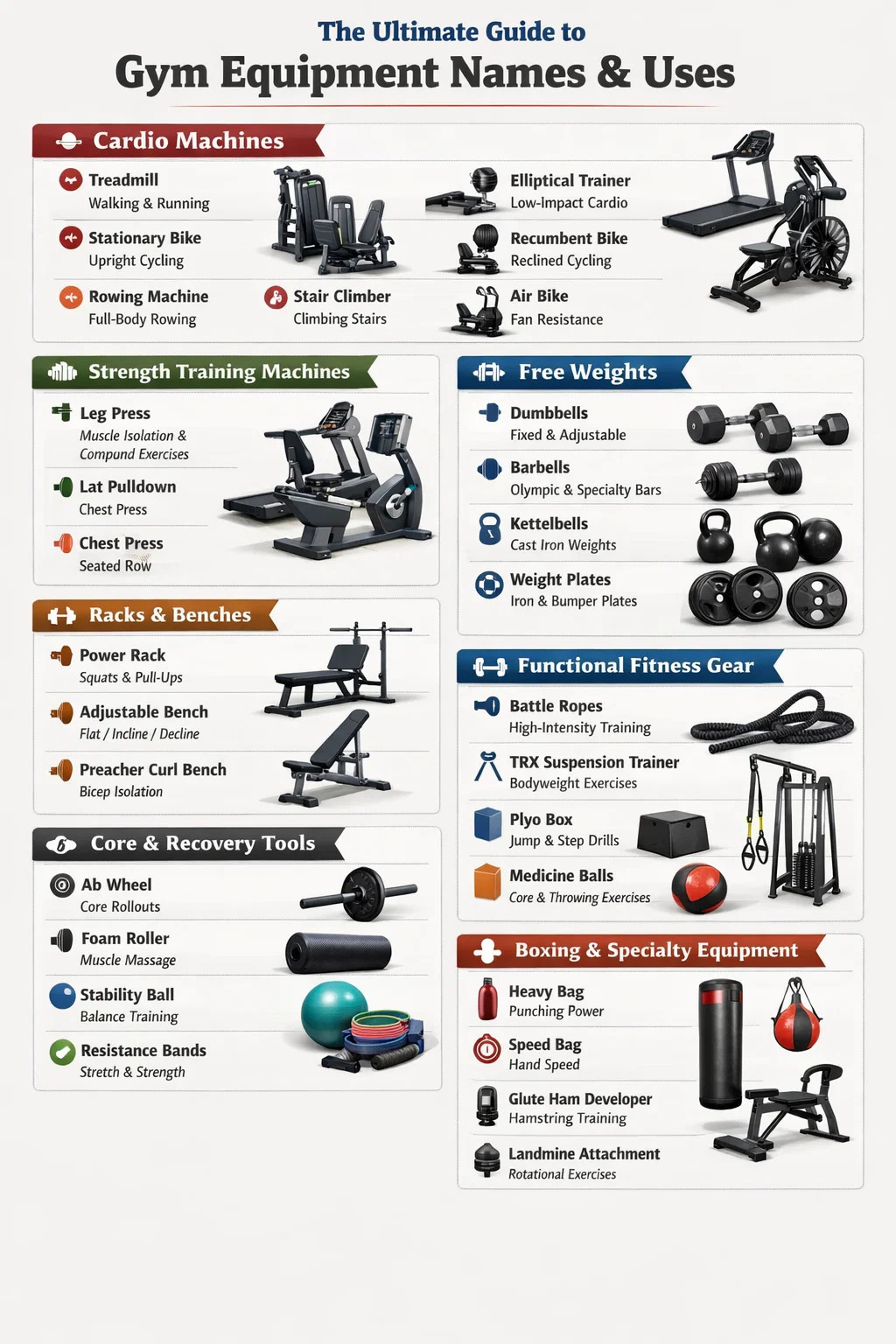
If you've ever walked into a gym and felt overwhelmed by the sheer variety of machines, cables, racks, and benches, you're not alone. There are over 100 distinct types of gym equipment across cardio machines, strength training apparatus, free weights, and functional fitness tools. This guide names them all, explains what each does, and helps you figure out which pieces belong in your workout routine.
Whether you're building a home gym, starting at a commercial fitness center, or just trying to learn the terminology before your first session with a personal trainer, understanding the names and functions of gym equipment is the first step toward using them confidently and safely.
Cardio Machines: The Full List of Names and Uses
Cardio equipment forms the backbone of most gym floors. These machines are designed to elevate your heart rate, burn calories, and improve cardiovascular endurance. Here are all the major types you'll encounter:
Treadmill
The treadmill is the most recognized piece of gym equipment worldwide. It features a motorized moving belt on which you walk, jog, or run. Modern treadmills offer incline settings between 0% and 15%, speed ranges from 0.5 mph to 12+ mph, and built-in heart rate monitors. A 155-pound person burns approximately 335 calories per 30 minutes of running at 6 mph on a treadmill.
Elliptical Trainer (Cross Trainer)
The elliptical trainer simulates walking or running without the impact stress on your joints. It's also called a cross trainer because the motion engages both the upper and lower body. Resistance levels and stride length are adjustable, making it one of the most versatile cardio options for beginners and people with joint issues.
Stationary Bike (Upright Bike)
The upright stationary bike mimics the position and motion of outdoor cycling. It's a low-impact cardio machine suitable for all fitness levels. Resistance can be adjusted manually or electronically, and most models include a display showing speed (RPM), distance, and calories burned.
Recumbent Bike
The recumbent bike has a reclined seat with a backrest, placing the rider in a laid-back position with pedals out in front. This design reduces strain on the lower back and hips, making it a preferred choice for rehabilitation patients and older adults. It still provides an effective lower-body cardiovascular workout.
Spin Bike (Indoor Cycling Bike)
The spin bike is a heavy-duty stationary bike designed for high-intensity cycling classes. It features a weighted flywheel, a racing-style saddle, and a more aggressive forward-leaning riding position compared to standard stationary bikes. It's commonly used in group fitness settings and can simulate hill climbs and sprints.
Rowing Machine (Ergometer)
The rowing machine, also called an ergometer or erg, mimics the action of rowing a boat. It engages approximately 86% of your muscles, including legs, core, back, shoulders, and arms. There are four resistance types: air, water, magnetic, and hydraulic. The Concept2 Model D is the industry standard used in professional competitions.
Stair Climber (StairMaster)
The stair climber simulates climbing stairs continuously. StairMaster is the most well-known brand name, but the generic term is stair climber or step mill. It targets the glutes, quads, hamstrings, and calves intensively while also elevating heart rate significantly. It's considered one of the higher-calorie-burning cardio machines in the gym.
Ski Erg
The SkiErg replicates the motion of Nordic (cross-country) skiing. You pull two handles downward in a rhythmic motion that works the lats, core, triceps, and legs simultaneously. It's popular in CrossFit boxes and sports conditioning programs.
Air Bike (Fan Bike)
The air bike uses a large fan as its resistance mechanism — the harder you pedal and push/pull the handles, the more resistance you create. The Assault Bike and Echo Bike are the most famous versions. It delivers full-body conditioning and is notorious for being brutally intense during interval training.
Jacob's Ladder
Jacob's Ladder is a self-powered climbing machine shaped like an angled ladder with continuously moving rungs. The user climbs at their own pace, which directly controls speed. It's exceptionally demanding and engages the entire body while minimizing joint impact.
Versaclimber
The VersaClimber is a vertical climbing machine where both arms and legs move in an alternating pattern, simulating real rock or wall climbing. It's one of the highest-calorie-burning pieces of cardio equipment available and has a dedicated following among elite athletes and physical therapists.
Strength Training Machines: Names and Muscle Targets
Strength training machines use cables, pulleys, weight stacks, or pneumatic resistance to isolate or compound muscle groups. They're especially useful for beginners learning movement patterns and for those rehabbing injuries, as they guide the body through a fixed range of motion.
| Machine Name | Primary Muscles Targeted | Movement Type |
|---|---|---|
| Leg Press Machine | Quadriceps, Glutes, Hamstrings | Compound / Push |
| Leg Extension Machine | Quadriceps | Isolation / Extension |
| Leg Curl Machine | Hamstrings | Isolation / Curl |
| Lat Pulldown Machine | Latissimus Dorsi, Biceps | Compound / Pull |
| Seated Cable Row | Mid Back, Rhomboids, Biceps | Compound / Pull |
| Chest Press Machine | Pectorals, Triceps, Anterior Delts | Compound / Push |
| Pec Deck (Butterfly Machine) | Pectorals | Isolation / Fly |
| Shoulder Press Machine | Deltoids, Triceps | Compound / Push |
| Hip Abductor Machine | Outer Hip, Glute Med | Isolation / Abduction |
| Hip Adductor Machine | Inner Thigh, Adductors | Isolation / Adduction |
| Calf Raise Machine | Gastrocnemius, Soleus | Isolation / Extension |
| Hack Squat Machine | Quadriceps, Glutes | Compound / Push |
| Smith Machine | Full Body (varies by exercise) | Compound / Guided |
| Cable Crossover Machine | Full Body (varies by exercise) | Compound & Isolation |
Smith Machine
The Smith machine consists of a barbell fixed within vertical steel rails, allowing only vertical or near-vertical movement. It's used for squats, bench press, shoulder press, lunges, and dozens of other exercises. The guided track reduces the need for a spotter and makes it accessible for solo training, though the fixed movement path means stabilizer muscles are less engaged compared to free weight exercises.
Cable Crossover Machine / Functional Trainer
The cable crossover machine features two adjustable pulley columns on either side of a central space. Cables can be set to any height, and dozens of attachments (handles, bars, ropes) allow for an enormous range of exercises targeting every muscle group. The functional trainer is a more compact version designed for home or small commercial use. Cable machines are prized because they maintain constant tension throughout the entire range of motion.
Lat Pulldown and Low Row Station
This dual-function station typically has a high pulley for lat pulldowns and a low pulley for seated cable rows. The lat pulldown primarily works the latissimus dorsi — the broad muscle of the back — while rows work the mid-back rhomboids and traps. These two movements are considered essential for building a wide, thick back.
Pec Deck / Butterfly Machine
The pec deck, also called the butterfly machine, isolates the pectoral muscles through a fly motion. The user sits upright and brings two padded arms together in front of the chest. It's a favorite finishing exercise for chest days and helps develop the inner chest definition that pressing movements alone cannot fully achieve.
Free Weights: Every Type of Dumbbell, Barbell, and Weight Equipment
Free weights are the foundation of strength training. Unlike machines, they require the body to stabilize itself throughout movements, recruiting more muscle fibers and building functional strength. Here are all the free weight options you'll find in a well-equipped gym:
Dumbbells
Dumbbells are short bars with fixed or adjustable weight on each end, held in a single hand. They come in several types:
- Fixed Hex Dumbbells — Hexagonal-shaped heads made from rubber or urethane. Standard in commercial gyms. Typically available in 5 lb to 150 lb increments.
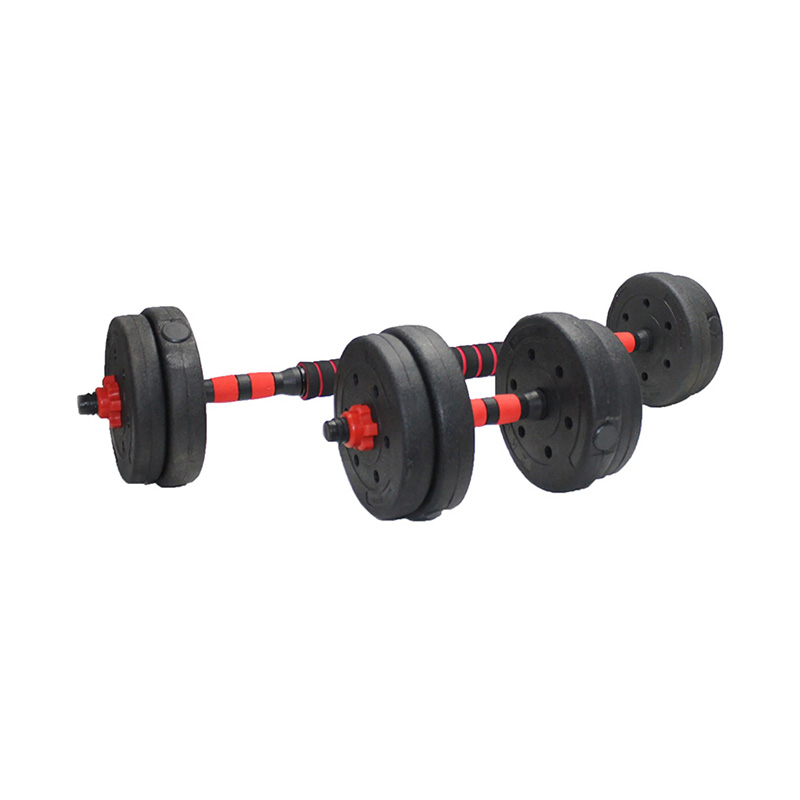
- Adjustable Dumbbells — A single handle with replaceable weight plates, or dial-style systems like the Bowflex SelectTech. Ideal for home gyms with limited space.
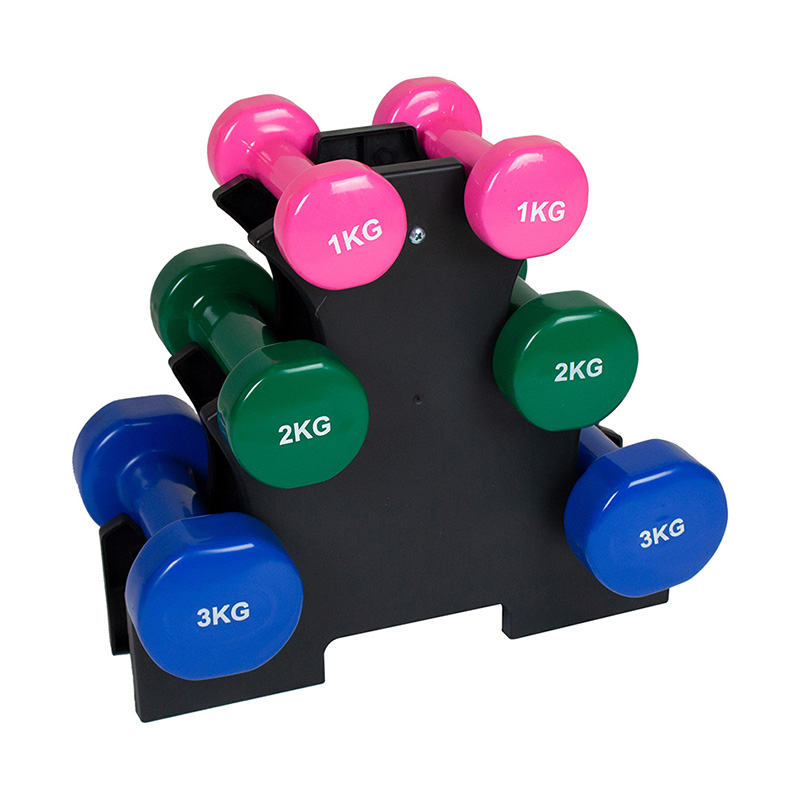
- Neoprene Dumbbells — Lighter dumbbells (1–15 lbs) coated in soft neoprene. Common in group fitness classes.
- Selectorized Dumbbells — Dial or pin-selector systems allowing rapid weight changes. Popular in home gym setups.
Barbells
A barbell is a long metal bar onto which weight plates are loaded. The standard Olympic barbell is 7.2 feet long and weighs 45 lbs (20 kg). There are several specialized barbell types:
- Olympic Barbell — Standard 45 lb bar with rotating sleeves to accommodate Olympic plates. Used for squats, deadlifts, bench press, and cleans.
- EZ Curl Bar — A shorter, angled bar (also called a cambered bar) that reduces wrist strain during bicep curls and tricep extensions.
- Hex Bar (Trap Bar) — A hexagonal frame the user stands inside, allowing a more neutral spine position for deadlifts. Excellent for beginners and athletes.
- Safety Squat Bar — Features a yoke that rests on padded shoulder cambers, allowing squatting with reduced stress on wrists and shoulders.
- Swiss Bar (Multi-Grip Bar) — Has multiple parallel grip positions at different widths, allowing pressing and rowing at neutral wrist angles.
- Log Bar — A cylindrical implement used in strongman training for overhead pressing.
- Cambered Bar — Has a curved middle section that allows the bar to drop lower than the hands during squats or bench press, increasing range of motion.
Weight Plates
Weight plates load onto barbells and some dumbbell handles. Types include:
- Olympic Plates — 2-inch center hole. Available in iron, rubber bumper, or urethane. Weights range from 2.5 lbs to 100 lbs per plate.
- Bumper Plates — Full rubber construction allowing safe dropping from overhead during Olympic lifts like the snatch and clean & jerk.
- Standard Plates — 1-inch center hole. Used on standard (non-Olympic) bars and older home gym equipment.
- Fractional Plates — Very light plates (0.25 lb to 1 lb) used for microloading — adding tiny weight increments to a barbell to enable consistent progressive overload.
Kettlebells
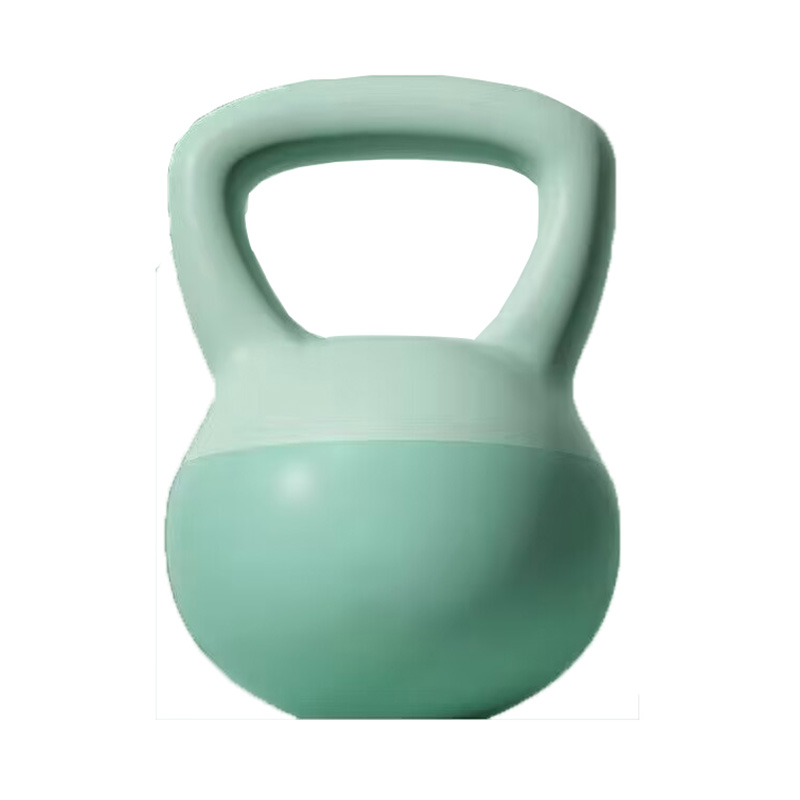
The kettlebell is a cast iron or steel ball with a single looped handle. Originally a Russian training tool, it has become a staple in functional fitness and strength training worldwide. The offset center of gravity makes it uniquely effective for swings, cleans, snatches, Turkish get-ups, and goblet squats. Kettlebells typically range from 8 kg (18 lbs) to 48 kg (106 lbs) in competition standards. Studies show that a 20-minute kettlebell workout burns approximately 400 calories.
Medicine Balls and Slam Balls
Medicine balls are weighted spheres used for rotational exercises, throws, and core training. They typically weigh 2–30 lbs and may have a slight bounce. Slam balls are denser, dead-bounce versions specifically designed to be thrown forcefully against the floor (wall ball shots, slams) without bouncing back dangerously.
Weight Vest
A weight vest is a wearable piece of weighted equipment that distributes resistance evenly across the torso. It's worn during bodyweight exercises (pull-ups, push-ups, dips), walking, or running to increase intensity. Vests range from 10 lbs to 80+ lbs with removable steel or sand-filled weights.
Sandbags
Training sandbags are heavy bags filled with shifting sand, creating an unstable load that challenges grip strength, core stability, and total body coordination. They're commonly used for carries, shouldering, and squatting in strongman and military-style fitness programs.
Racks, Benches, and Structural Equipment
These structural pieces of gym equipment provide the framework for safe free weight training. Without them, many barbell and dumbbell exercises would either be impossible or highly dangerous.
Power Rack (Squat Cage)
The power rack — also called a squat cage or full rack — is a four-post steel frame with adjustable J-hooks to hold a barbell and safety spotter arms to catch the bar if you fail a lift. It's considered the single most important piece of equipment for heavy barbell training. A power rack allows squats, bench press, overhead press, pull-ups (on the built-in pull-up bar), and barbell rows to all be performed safely without a partner.
Half Rack (Squat Rack)
A half rack is a two-post version of the power rack, taking up less floor space. It has front uprights with J-hooks and often includes back band pegs and a pull-up bar. While it lacks the enclosed four-post structure, it performs most of the same functions as a full power rack in smaller gym setups.
Flat Bench
The flat bench is a padded, horizontal platform used primarily for dumbbell exercises, barbell bench press (when placed inside a rack), and seated exercises. It's the most fundamental piece of bench equipment in any gym.
Adjustable Bench (FID Bench)
FID stands for Flat-Incline-Decline. An adjustable bench can be set at multiple angles from fully flat to seated upright (90°), enabling incline presses, decline presses, seated dumbbell curls, and many more exercises. An adjustable bench is considered one of the highest-value pieces of equipment for a home gym due to its versatility.
Preacher Curl Bench
The preacher curl bench has an angled padded arm rest that braces the upper arms, preventing cheating (using momentum or body swing) during bicep curl exercises. It delivers strict, isolated bicep contractions and is excellent for developing peak bicep muscle.
Hyperextension Bench (Roman Chair)
The hyperextension bench — also called a Roman chair — has padded hip rests and foot anchors allowing the user to bend forward at the waist and return upright. It's used for back extensions, reverse hyperextensions, and oblique work. It targets the erector spinae, glutes, and hamstrings effectively.
Dip Station (Parallel Bars)
A dip station features two parallel horizontal bars at hip height that allow bodyweight dips — one of the best compound pushing exercises for the chest, triceps, and anterior deltoids. Many dip stations also include pull-up bars and push-up handles. They can be freestanding or attached to a power rack.
Pull-Up Bar
Pull-up bars come in three main forms: wall-mounted, ceiling-mounted, and doorframe versions. They're used for pull-ups, chin-ups, hanging knee raises, L-sits, and bar muscle-ups. A standard pull-up works the lats, biceps, rear delts, and core simultaneously.
Plyo Box (Jump Box)
The plyo box is a sturdy platform used for box jumps, step-ups, depth jumps, and seated box squats. Made from wood, steel, or soft foam, plyo boxes typically come in 20", 24", and 30" heights. They're essential equipment for explosive power development and HIIT training.
Functional Fitness and CrossFit Equipment Names
Functional fitness focuses on movements that improve real-world physical performance — not just aesthetics. This category of gym equipment has grown rapidly with the rise of CrossFit, HIIT, and sports performance training.
Battle Ropes
Battle ropes are thick, heavy ropes (typically 1.5" to 2" in diameter and 30–50 feet long) anchored at one end. The user performs wave patterns, slams, and spirals to create cardiovascular and muscular endurance training. Research published in the Journal of Strength and Conditioning Research found that 10 minutes of battle rope exercise burns around 112 calories, making it one of the most efficient calorie-burning tools in the gym.
Pull Sled / Push Sled
The sled is a low platform loaded with weight plates, pushed across turf or a smooth floor, or pulled via a harness. Pushing develops leg drive and conditioning; pulling builds hamstrings and glutes. Sled training is popular in football and rugby conditioning because it mimics game-relevant movement patterns.
TRX Suspension Trainer
TRX (Total Resistance Exercise) is a suspension training system consisting of adjustable nylon straps with foot cradles and handles that anchor to a wall, ceiling, or door frame. Users leverage their body weight and gravity to perform hundreds of exercises targeting strength, balance, and core stability simultaneously.
Resistance Bands
Resistance bands come in several forms: loop bands (circular), therapy bands (flat sheets), and tube bands with handles. They provide variable resistance — the more you stretch the band, the greater the resistance — and are used for everything from mobility warm-ups to heavy-band-assisted squats and deadlifts. They're also used to assist pull-ups for beginners.
Gymnastic Rings
Gymnastic rings — also called gym rings or wood rings — hang from straps and allow for ring dips, ring pull-ups, ring muscle-ups, ring rows, and iron cross progressions. The instability of rings dramatically increases the core and stabilizer muscle demand compared to bar equivalents.
Parallettes
Parallettes are low, short parallel bars used for gymnastics-style movements including L-sits, handstand push-up progressions, and planche training. They raise the hands off the floor to allow better range of motion and wrist-friendly positioning.
Speed Ladder (Agility Ladder)
The agility ladder is a flat ladder laid on the ground with equally spaced rungs. Athletes perform footwork drills through the ladder to develop speed, coordination, and agility. It's a standard tool in sports performance programs for soccer, basketball, and tennis athletes.
Tire (Flipping Tire)
Large tractor tires — typically 200–600 lbs — are used for tire flips, a brutal full-body exercise that develops explosive hip extension, grip strength, and cardiovascular conditioning simultaneously. They're a signature implement in strongman and functional fitness training.
Prowler Sled
The Prowler is a specific type of push sled with two vertical post handles at different heights, loaded with weight plates. Pushing the Prowler across turf engages the legs, glutes, hips, and core in a way few other exercises replicate. It's known for being extremely conditioning-intensive while being low impact on the joints.
Core Training Equipment Names
Core training equipment ranges from simple tools to sophisticated machines. All are designed to target the abdominals, obliques, lower back, and hip flexors.
- Ab Wheel (Ab Roller) — A small wheel with two handles that you kneel behind and roll forward, requiring the core to resist spinal extension. One of the most effective ab exercises proven by EMG studies.
- Captain's Chair (Knee Raise Station) — A padded backrest with armrests that allows hanging knee raises and leg raises without gripping a bar. Excellent for lower abdominal development.
- Roman Chair (Back Extension Bench) — Used for back extensions and oblique training, targeting the posterior chain core muscles.
- Stability Ball (Swiss Ball / Physioball) — An inflated rubber ball (55 cm to 75 cm diameter) used for core stability exercises, stretching, and as an unstable surface for dumbbell pressing movements.
- BOSU Ball — "Both Sides Utilized" — a half-ball on a flat platform used either dome-side up or flat-side up to create instability for balance and core training.
- Ab Crunch Machine — A seated or kneeling machine that adds resistance to the spinal flexion motion of a crunch, directly loading the rectus abdominis.
- Rotary Torso Machine — A machine designed for rotational core training, working the obliques through resisted trunk rotation.
Flexibility, Stretching, and Recovery Equipment
Recovery and flexibility tools are increasingly recognized as essential gym equipment, not optional accessories. The quality of your recovery directly determines how well you progress.
- Foam Roller — A cylindrical tool (12"–36" long, 6" diameter) used for self-myofascial release (SMR). Rolling tight muscles over it helps break up adhesions and improve blood flow. Available in smooth and textured versions.
- Massage Ball (Lacrosse Ball) — A dense rubber ball used for targeted pressure point release, particularly effective for the shoulders, glutes, and feet where a foam roller can't reach.
- Stretching Strap / Yoga Strap — An adjustable fabric strap with loops used to deepen stretches, particularly for the hamstrings, hip flexors, and shoulders when flexibility is limited.
- Yoga Mat — A non-slip rubber mat (typically 68"–72" long) that cushions the body during floor exercises, yoga, Pilates, and stretching.
- Inversion Table — A padded platform that straps to the user's ankles and inverts the body upside-down, using gravity traction to decompress the spine and relieve lower back pain.
- Percussion Massage Gun — A handheld motorized tool that delivers rapid percussive vibration to muscles, accelerating recovery by increasing circulation and reducing soreness. Theragun and Hypervolt are the most recognized brands.
- Vibrating Foam Roller — Combines the compression of traditional foam rolling with motorized vibration for enhanced myofascial release.
Boxing and Martial Arts Gym Equipment
Many gyms now include a combat sports or boxing area. These pieces of equipment provide exceptional full-body cardiovascular and strength conditioning in addition to skill training.
- Heavy Bag (Punching Bag) — A large cylindrical bag (70–150 lbs) hung from the ceiling for striking practice. Builds punching power, cardiovascular endurance, and shoulder conditioning.
- Speed Bag — A small teardrop-shaped bag mounted at head height on a rebound platform. Develops hand speed, rhythm, timing, and shoulder endurance.
- Double-End Bag — A small ball connected by elastic cords to the floor and ceiling, swinging unpredictably when struck. Develops accuracy, reflexes, and defensive head movement.
- Maize Bag — An irregularly shaped bag that swings laterally when struck, teaching fighters to move around their punches.
- Free-Standing Punch Bag — A base-mounted bag filled with water or sand, suitable for gyms or spaces where ceiling mounting is not possible.
- Jump Rope (Skipping Rope) — A foundational boxing conditioning tool. A boxer jumping rope for 10 minutes burns 135 calories — equivalent to running at 6 mph for the same duration.
Specialty and Sport-Specific Gym Equipment
Beyond the standard gym floor, specialty equipment serves specific athletic disciplines, rehabilitation protocols, and niche training methodologies.
Glute Ham Developer (GHD Machine)
The GHD machine anchors the feet and positions the body horizontally to allow glute-ham raises — one of the most powerful hamstring and glute exercises available. It also enables GHD sit-ups, which train the hip flexors and core through a deep range of motion. It's a staple in CrossFit facilities and serious strength programs.
Landmine Attachment
A landmine is a sleeve that anchors one end of a barbell to the floor, allowing the free end to be pressed, rotated, or pulled through an arc. Landmine presses, rows, squats, and rotations provide a shoulder-friendly pressing angle and effective anti-rotation core training.
Wrist Roller
A wrist roller is a short cylinder with a cord and weight plate attached. The user holds it at arm's length and winds the cord up by rotating the wrist, directly training forearm extensors and flexors. It's one of the few direct forearm training tools available.
Reverse Hyper Machine
Invented by powerlifter Louie Simmons, the reverse hyperextension machine has a padded table at hip height with a swinging pendulum arm at the back. The user lies prone, grips the handles, and swings their legs up using the glutes and hamstrings. It is particularly prized for spinal decompression and posterior chain development.
Plate-Loaded Machines
Unlike selectorized machines with weight stacks, plate-loaded machines require Olympic plates to be added manually. Examples include the plate-loaded leg press, seated calf raise machine, and Pendulum squat. They tend to allow heavier loads and have a more linear resistance curve compared to stacked-weight equivalents.
Seated Leg Curl vs. Lying Leg Curl Machine
The seated leg curl machine positions the user with hips bent, which lengthens the hamstrings at the hip joint before the knee curl even begins. Research suggests this leads to greater hypertrophy of the long head of the biceps femoris compared to the lying version. The lying leg curl is more traditional and found in most commercial gyms.
How to Choose the Right Gym Equipment for Your Goals
Knowing all the gym equipment names is only half the equation. The other half is knowing which equipment aligns with your specific fitness goals. Here's a practical guide:
| Fitness Goal | Primary Equipment to Use | Secondary / Supporting Equipment |
|---|---|---|
| Build Muscle (Hypertrophy) | Barbells, Dumbbells, Cable Machines | Isolation machines, Adjustable bench |
| Lose Weight / Burn Fat | Treadmill, Air Bike, Rowing Machine | Battle Ropes, Kettlebells, Sled |
| Increase Strength | Power Rack, Barbell, Weight Plates | Smith Machine, Hex Bar, Dip Station |
| Improve Cardiovascular Fitness | Elliptical, Spin Bike, Stair Climber | Jump Rope, Rowing Machine, SkiErg |
| Improve Flexibility / Mobility | Foam Roller, Stretching Straps, Yoga Mat | Stability Ball, BOSU Ball, Massage Gun |
| Athletic Performance | Plyo Box, Sled, Agility Ladder | Kettlebells, Medicine Ball, TRX |
| Rehabilitation / Low Impact | Recumbent Bike, Elliptical, Resistance Bands | Stability Ball, TRX, Inversion Table |
A well-rounded gym program rarely relies on just one category of equipment. Most successful training programs combine free weights for strength, machines for isolation, and cardio equipment for conditioning. The specific names of gym equipment matter because knowing what to call something is the first step to knowing how to use it correctly and confidently.
Whether you're outfitting a home gym on a budget — where a barbell set, adjustable bench, and resistance bands can cover 80% of your training needs — or navigating a 20,000 sq ft commercial facility with 40+ machines, having a clear mental inventory of gym equipment names gives you the confidence to walk in and get to work.