English
 Deutsch
 中文简体
中文简体Content
- The Definitive Definition of the 3-3-3 Rule in Training
- Breaking Down the Tempo: The Three Phases of a Repetition
- Comparative Tempo Analysis
- Selecting the Right Gym Equipment for the 3-3-3 Method
- Benefits of Implementing the 3-3-3 Protocol
- Practical Application: A Sample 3-3-3 Routine
- Common Pitfalls and How to Avoid Them
The Definitive Definition of the 3-3-3 Rule in Training
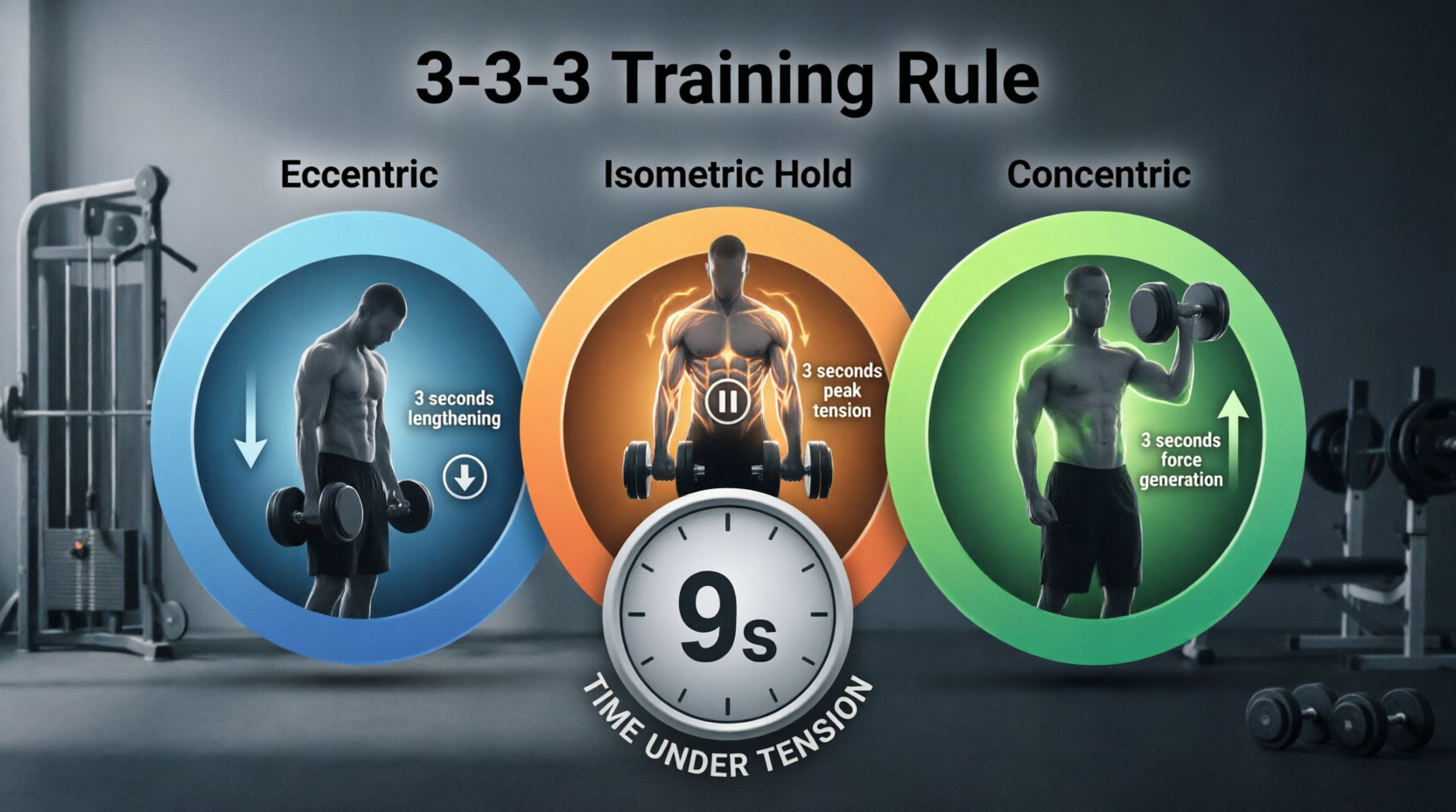
In the context of modern strength conditioning and hypertrophy, the 3-3-3 rule is a structured methodology designed to maximize muscular tension and metabolic stress. Specifically, it refers to a 3-second eccentric (lowering) phase, a 3-second isometric hold (pause) at the peak of tension, and a 3-second concentric (lifting) phase. By adhering to this 9-second repetition duration, athletes force the muscle fibers to remain under load for significantly longer periods than traditional "explosive" lifting, leading to accelerated muscle growth and improved mind-muscle connection.
Unlike standard training where momentum often dictates the movement, the 3-3-3 rule eliminates "cheating" and ensures that the target muscle group is doing the entirety of the work. This rule is most effective when applied to isolation movements or controlled compound lifts using various Gym Equipment options like cable machines or dumbbells.
Breaking Down the Tempo: The Three Phases of a Repetition
To truly understand the 3-3-3 rule, one must analyze the biomechanical impact of each three-second segment. Tempo training is a proven variable in exercise science that dictates the "Time Under Tension" (TUT), which is a primary driver of protein synthesis.
Phase 1: The 3-Second Eccentric
The eccentric phase is when the muscle lengthens under load. For instance, when using a Leg Extension machine, this would be the act of slowly lowering your feet back to the starting position. Research suggests that the majority of muscle fiber micro-tears—which lead to growth—occur during this controlled lengthening. A 3-second eccentric phase prevents gravity from taking over.
Phase 2: The 3-Second Isometric Hold
The "sticking point" or the point of peak contraction is held for three seconds. This is the hardest part of the rule. By holding the weight still, you recruit a higher number of motor units to stabilize the load. This is particularly effective on Gym Equipment like the Pec Deck or Bicep Curls where the squeeze at the top is vital.
Phase 3: The 3-Second Concentric
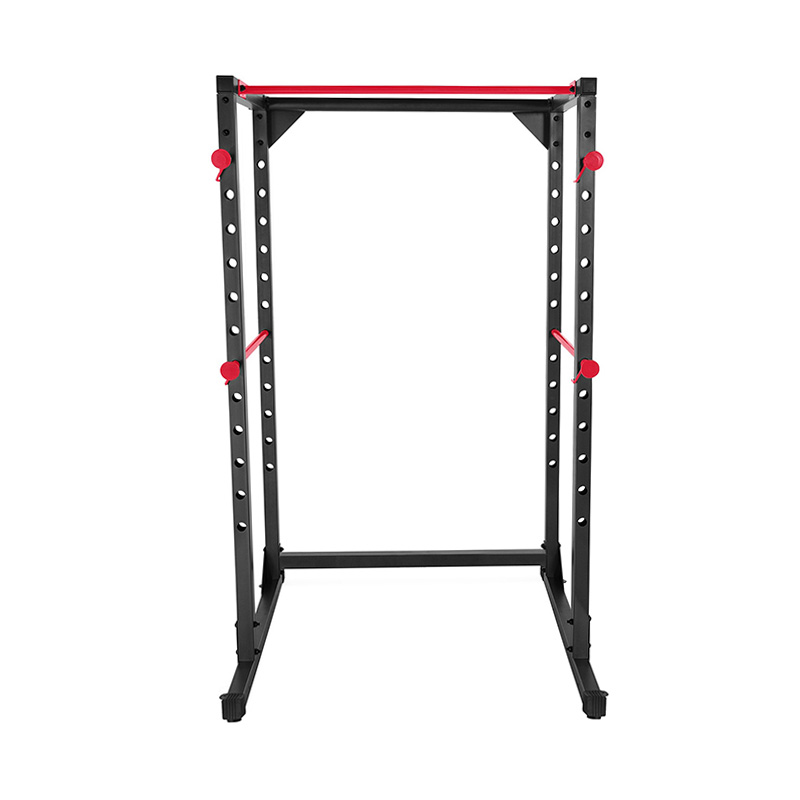
Lifting the weight slowly (concentric) removes the elastic energy stored in the tendons. This forces the muscle to generate force from a dead stop. In a Squat Rack, a 3-second ascent ensures that the quads and glutes are fully engaged without relying on the "bounce" at the bottom of the movement.
Comparative Tempo Analysis
To visualize how the 3-3-3 rule stacks up against traditional lifting styles, consider the following data points regarding Time Under Tension for a set of 10 repetitions.
| Training Style | Rep Tempo (E:I:C) | Seconds Per Rep | Total TUT (10 Reps) |
|---|---|---|---|
| Standard Power | 1:0:1 | 2 Seconds | 20 Seconds |
| Hypertrophy Focus | 2:1:2 | 5 Seconds | 50 Seconds |
| 3-3-3 Rule | 3:3:3 | 9 Seconds | 90 Seconds |
Selecting the Right Gym Equipment for the 3-3-3 Method
Not all exercises are suitable for a 9-second repetition cycle. Because this method induces extreme fatigue, stability is a priority. Using machines allows the lifter to focus entirely on the tempo rather than balance.
- Selectorized Machines: Equipment like the chest press or seated row provides a fixed path, making it safer to perform the 3-second isometric hold without the weight drifting.
- Cable Columns: Cables provide "constant tension" which complements the 3-3-3 rule perfectly. Unlike free weights, where tension may drop at the top of a curve, cables keep the resistance steady through all 9 seconds.
- Dumbbells: Best used for isolation work like lateral raises or bicep curls. However, users should drop their standard weight by 30% to 50% when first attempting the 3-3-3 rule.
Benefits of Implementing the 3-3-3 Protocol
Why would someone choose to make an exercise significantly harder? The 3-3-3 rule is not about the ego; it is about efficiency and injury prevention.
Enhanced Neuromuscular Adaptations
By slowing down the movement, you force the brain to communicate more effectively with the muscle fibers. This improves "proprioception"—your awareness of your body in space. Over time, this leads to better form across all lifts.
Joint Longevity and Health
Lifting heavy weights with explosive speed can place immense shear force on the tendons and ligaments. The 3-3-3 rule allows for maximal muscle stimulation with lighter absolute loads, making it an excellent strategy for lifters recovering from injury or those looking to preserve joint health over decades of training.
Practical Application: A Sample 3-3-3 Routine
To integrate this into your existing program, try applying the rule to one exercise per muscle group. It is highly recommended to use a spotter or a machine with safety stops.
- Chest: Machine Chest Press - 3 sets of 6-8 reps. Focus on the 3-second hold when the handles are closest to your chest.
- Back: Lat Pulldown - 3 sets of 8 reps. Hold the bar at your upper chest for 3 seconds, feeling the lats squeeze.
- Legs: Goblet Squat - 3 sets of 10 reps. Take 3 full seconds to descend into the hole and hold the bottom position for 3 seconds.
Remember, the total duration of a single 8-rep set using the 3-3-3 rule is 72 seconds. This places the set firmly in the metabolic stress window required for sarcoplasmic hypertrophy.
Common Pitfalls and How to Avoid Them
The biggest mistake is miscounting. Most lifters count "1, 2, 3" in about 1.5 seconds when they are under strain. To ensure accuracy, use a gym clock with a second hand or a metronome app. Another error is neglecting the Gym Equipment settings; ensure the seat and handles are adjusted so that the 3-second isometric hold occurs at the actual peak of the resistance curve.
Lastly, do not use this rule for every single exercise in a workout. It is incredibly taxing on the Central Nervous System (CNS). Limit its use to 25% of your total volume to avoid overtraining and burnout.