English
 Deutsch
 中文简体
中文简体Content
- What Every Gym Goer Actually Needs
- Core Gym Equipment Every Serious Lifter Should Use
- Essential Gym Accessories That Most People Skip
- The Right Footwear for Different Types of Training
- Nutrition and Hydration: The Most Neglected Gym Essentials
- What Gym Goers Need to Know About Programming
- Home Gym vs. Commercial Gym: What Equipment Do You Actually Need?
- Cardio Equipment: Which Machines Deliver the Best Results
- Safety and Injury Prevention: What Every Gym Goer Must Prioritize
- Frequently Asked Questions
- What gym equipment should a beginner buy first?
- Is a gym membership worth it if you already have some gym equipment at home?
- How important is cardio for someone who mainly lifts weights?
- What's the one piece of gym equipment most people underestimate?
- Do I need a personal trainer if I have access to good gym equipment?
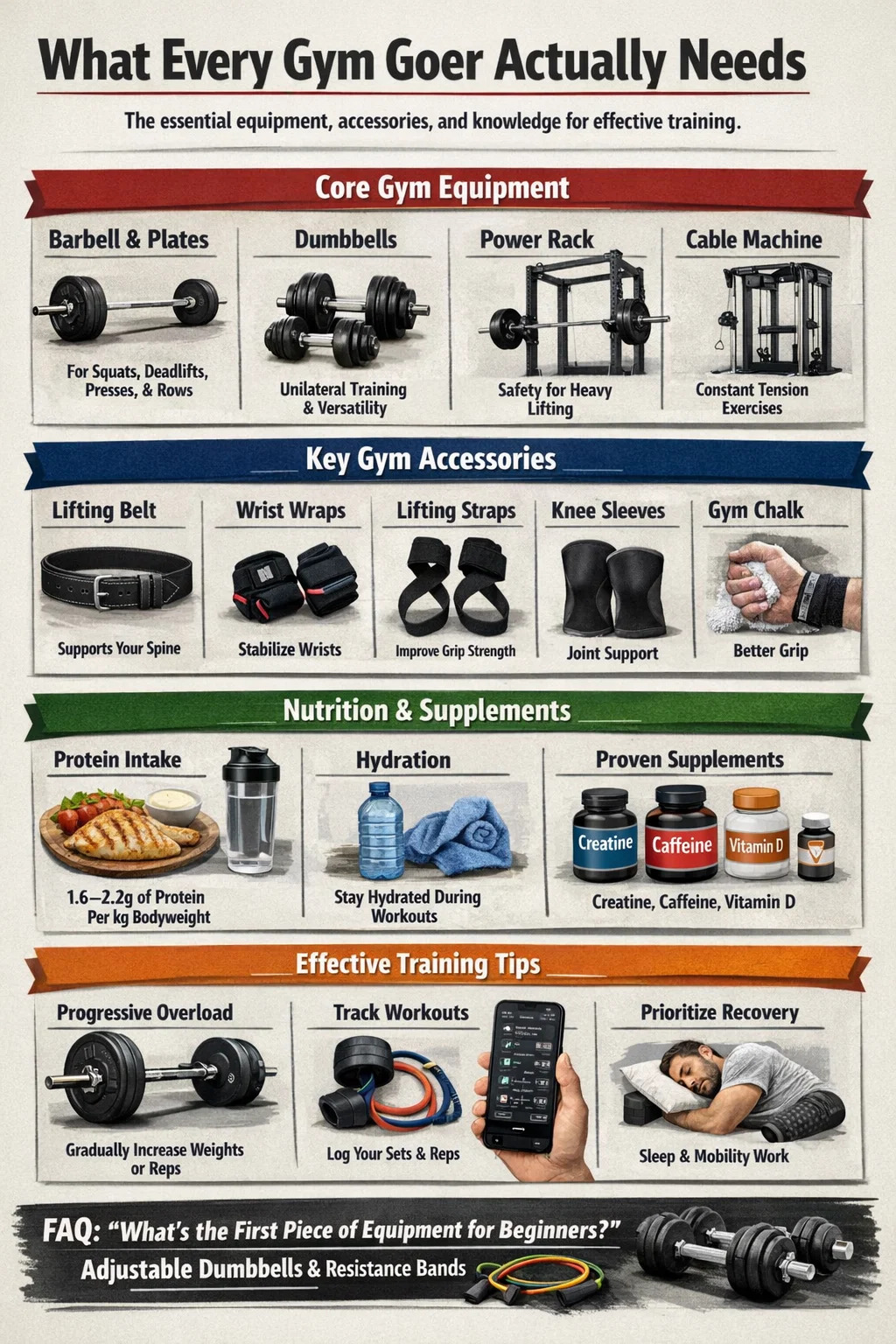
What Every Gym Goer Actually Needs
Every gym goer needs three things above all else: the right gym equipment or access to it, a consistent training plan, and the gear to support safe and effective workouts. Whether you train at a commercial gym or build a home setup, the essentials remain largely the same. Without the proper tools — from barbells and resistance bands to supportive footwear and recovery aids — progress stalls, injuries creep in, and motivation fades faster than it should.
This guide breaks down everything a gym goer needs in practical, specific terms. No vague advice about "staying motivated." Just a clear look at the equipment, accessories, habits, and knowledge that separate people who actually improve from those who spin their wheels for months.
Core Gym Equipment Every Serious Lifter Should Use
The foundation of any effective training program is built on compound movements — squats, deadlifts, bench press, overhead press, and rows. These exercises require specific gym equipment to perform correctly and safely. Understanding what each piece does and why it matters helps you prioritize your time and, if you're building a home gym, your budget.
Barbells and Weight Plates
A standard Olympic barbell weighs 20 kg (44 lbs) and is the single most versatile piece of gym equipment in existence. Paired with bumper or iron plates, it handles squats, deadlifts, cleans, presses, and rows. For home gym builders, a quality barbell and a set of plates ranging from 2.5 kg to 25 kg covers almost every training scenario.
Specialty bars like the hex bar (also called a trap bar) are worth noting. The hex bar reduces lower back stress during deadlifts by shifting the load closer to the body's center of gravity — a meaningful advantage for lifters with mobility limitations or those recovering from injury.
Dumbbells
Dumbbells offer unilateral training that a barbell simply cannot replicate. Single-arm rows, dumbbell lunges, and unilateral shoulder presses expose and correct muscular imbalances between left and right sides. A 2023 study published in the Journal of Strength and Conditioning Research found that unilateral training produced 11.5% greater improvements in single-limb strength compared to bilateral training alone over a 10-week period.
Adjustable dumbbells have become a popular solution for home gym setups. A single pair of adjustable dumbbells can replace an entire rack of fixed weights, saving both space and money.
A Power Rack or Squat Stand
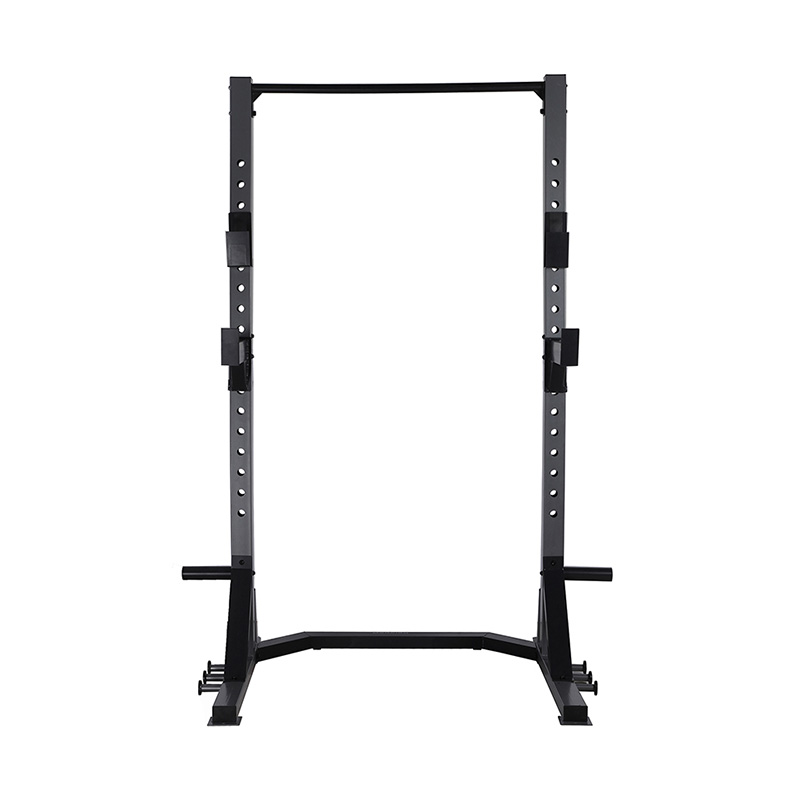
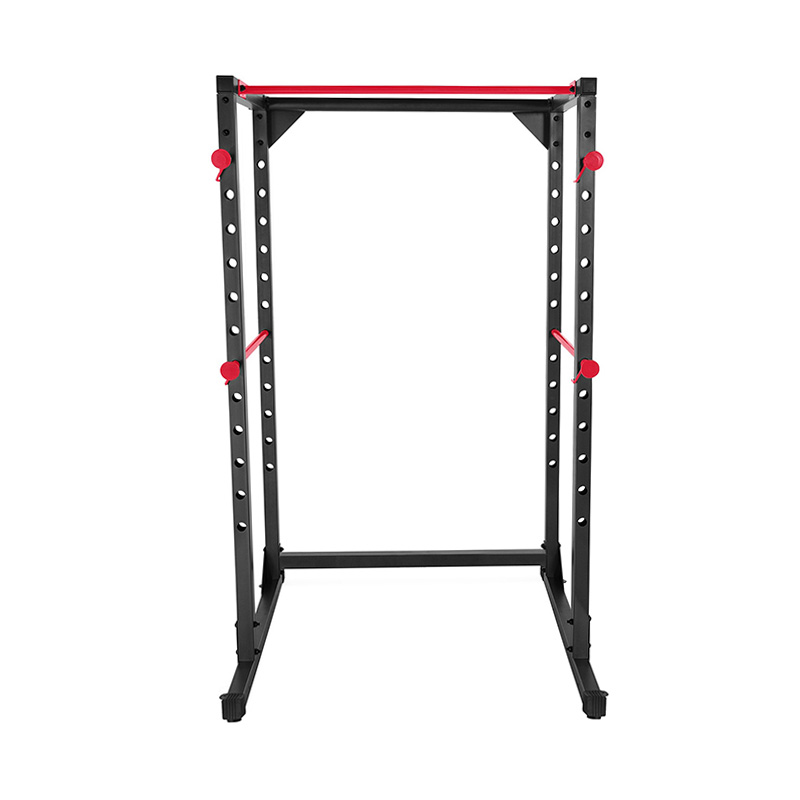
For anyone training with heavy barbells, a power rack is non-negotiable. Safety bars (also called spotter arms or safeties) allow you to train to failure on squats and bench press without a training partner. This single piece of gym equipment dramatically expands what you can safely attempt alone. A squat stand is a more compact, budget-friendly alternative, though it lacks the full safety containment of a rack.
Resistance Bands
Resistance bands are among the most underrated pieces of gym equipment available. They provide accommodating resistance — meaning the resistance increases as the band stretches, making the hardest point of a lift even harder. This is particularly useful for improving lockout strength on bench press and deadlift. Bands also serve as mobility tools, warm-up aids, and rehabilitation equipment for common gym injuries like rotator cuff strains and knee issues.
Cable Machines and Pulley Systems
Cable machines maintain constant tension on the muscle throughout the entire range of motion — something free weights cannot do. This constant tension has been shown to produce greater metabolic stress, one of the three primary mechanisms of muscle hypertrophy. Cable flyes, tricep pushdowns, face pulls, and lat pulldowns are staples in most evidence-based hypertrophy programs for this reason.
Essential Gym Accessories That Most People Skip
Beyond the major gym equipment, a set of smaller accessories makes a significant difference in training quality, safety, and longevity. Many gym goers skip these, then wonder why they're dealing with recurring wrist pain, failed lifts, or calluses that tear mid-set.
Lifting Belt
A lifting belt is not a crutch — it's a performance tool. When worn correctly and braced against, a belt increases intra-abdominal pressure, which directly supports the lumbar spine during heavy compound lifts. Research from the National Institute for Occupational Safety and Health found that a properly used lifting belt can reduce spinal compression forces by up to 40% during heavy squats and deadlifts. Powerlifting-style leather belts (10mm thick, 10cm wide) offer the most support, while nylon belts are lighter and suit Olympic weightlifting movements better.
Wrist Wraps
Wrist wraps stabilize the wrist joint during pressing movements. When pressing heavy loads overhead or on the bench, the wrist can hyperextend under load — a direct path to wrist pain and tendonitis. Stiff wrist wraps (30–36 inches long) provide rigid support for maximum effort pressing, while flexible wraps suit lighter technical work and Olympic lifts. They're inexpensive and protect an injury-prone joint that is difficult to rest during training.
Lifting Straps
Lifting straps prevent grip from becoming the limiting factor in pulling exercises. During heavy deadlifts, barbell rows, or lat pulldowns, the forearms often fatigue before the target muscles do. Straps bypass this problem by securing the bar to the wrist. Cotton straps are the most common; lasso-style straps are easiest to get in and out of quickly. Note: don't use straps for every pulling exercise — building grip strength with chalk on lighter sets is still valuable.
Gym Chalk
Magnesium carbonate (gym chalk) absorbs sweat and dramatically improves grip on the bar. Unlike lifting straps, chalk doesn't bypass grip — it enhances it. Many commercial gyms ban loose chalk but allow liquid chalk, which dries on the hands and leaves little residue on equipment. For anyone pulling heavy barbells or working on gymnastics-style grip work (pull-ups, toes-to-bar), chalk is a practical essential.
Knee Sleeves
Neoprene knee sleeves provide warmth and compression to the knee joint, improving proprioception (your sense of joint position) and reducing the discomfort that comes with high-volume squat training. They are not the same as knee wraps used in powerlifting competition, which actively contribute to the lift. Sleeves simply keep the joint warm and supported. For anyone squatting more than twice per week, a quality pair of knee sleeves is a worthwhile investment that costs between $30 and $80.
Foam Roller and Mobility Tools
A foam roller, lacrosse ball, and a stretching strap are recovery and maintenance tools that every gym goer needs. Foam rolling (self-myofascial release) before training helps increase range of motion without reducing strength, unlike static stretching pre-workout. Using a lacrosse ball on the glutes, thoracic spine, and the bottom of the feet addresses tight spots that foam rollers miss due to their larger surface area.
The Right Footwear for Different Types of Training
Footwear is gym equipment in every practical sense. The wrong shoe choice compromises force transfer, balance, and joint alignment during the most important exercises in any program.
| Training Type | Recommended Shoe | Key Feature |
|---|---|---|
| Olympic Lifting / Squats | Weightlifting Shoe | Raised heel (0.75"–1") for ankle mobility |
| Powerlifting / Deadlifts | Flat Sole / Chuck Taylor / Deadlift Slipper | Zero heel rise for direct force transfer |
| CrossFit / Functional Fitness | Cross-Training Shoe | Lateral stability and modest heel drop |
| Running / Cardio | Running Shoe | Cushioning and forward propulsion |
| General Gym Training | Low-Profile Trainer | Versatile, firm sole, minimal drop |
Running shoes are the worst possible choice for squatting and deadlifting. Their cushioned, compressible soles absorb force and create an unstable base. Imagine trying to squat 150 kg while standing on a foam mattress — that's the mechanical equivalent of squatting in thick running shoes. A firm, flat sole maximizes force transfer into the floor.
Nutrition and Hydration: The Most Neglected Gym Essentials
No piece of gym equipment compensates for poor nutrition. Muscle is built and repaired outside the gym, during recovery, and only when the raw materials are present. Many gym goers spend significant money on supplements while missing the basics.
Protein Intake
The current evidence-based recommendation for muscle growth sits at 1.6–2.2 grams of protein per kilogram of bodyweight per day. For a 80 kg person, that's 128–176 grams of protein daily. Spreading this across 4–5 meals maximizes muscle protein synthesis compared to eating the same total in one or two sittings. Whole food sources — chicken, beef, eggs, fish, dairy, legumes — should form the foundation, with protein powder as a convenient supplement when whole food intake falls short.
Hydration During Training
A water bottle is gym equipment in the most practical sense. Even mild dehydration — as little as 2% of bodyweight in fluid loss — measurably reduces strength, endurance, and cognitive function. During high-intensity training or in warm environments, electrolyte replacement becomes important. Sodium, potassium, and magnesium are lost in sweat and need to be replenished during sessions longer than 60 minutes.
Pre-Workout Nutrition
Training fasted is viable for some people, but most gym goers perform better with some carbohydrate intake 60–90 minutes before training. Carbohydrates replenish muscle glycogen — the primary fuel source for resistance training. A meal of oats and eggs, a banana with peanut butter, or rice and chicken 90 minutes before training provides sustained energy without the digestive discomfort that comes with eating too close to a session.
Evidence-Based Supplements Worth Considering
The supplement industry is littered with products that have weak or no scientific backing. The following have substantial evidence supporting their effectiveness:
- Creatine monohydrate: The most researched performance supplement in existence. Increases phosphocreatine stores in muscle, improving output during high-intensity efforts. Dose: 3–5g daily, no loading phase required.
- Caffeine: Proven to improve strength, endurance, and focus. Effective dose: 3–6mg per kg of bodyweight, taken 45–60 minutes pre-workout. Tolerance builds over time — cycling off periodically maintains effectiveness.
- Protein powder: Whey, casein, or plant-based protein powders are convenient, not magical. They're a delivery vehicle for protein, not a unique muscle-building agent.
- Beta-alanine: Buffers acid buildup in muscles during high-rep sets, extending performance before fatigue. Dose: 3.2–6.4g daily. The tingling sensation (paresthesia) is harmless.
- Vitamin D3: Deficiency is widespread, particularly in northern climates with limited sun exposure. Low vitamin D is associated with reduced testosterone levels and impaired muscle function. 2,000–4,000 IU daily is a common maintenance dose for most adults.
What Gym Goers Need to Know About Programming
Having access to excellent gym equipment means nothing without a structured training plan. Randomized, instinct-based training produces unpredictable results. The principle of progressive overload — consistently increasing training stimulus over time — is the single most important driver of long-term progress.
Progressive Overload in Practice
Progressive overload doesn't only mean adding weight to the bar. It can also mean:
- Increasing the number of reps at the same weight
- Adding an additional set per exercise
- Reducing rest periods between sets
- Improving technique and range of motion at the same load
- Increasing training frequency from 2x to 3x per week per muscle group
Tracking workouts is the only reliable way to ensure progressive overload is happening. A notebook, a spreadsheet, or a training app serves this purpose. Without a record of what was done last session, making informed decisions about what to do next session is essentially impossible.
Training Frequency and Volume
Research consistently shows that training each muscle group 2–3 times per week produces superior hypertrophy compared to training each muscle group once per week, given the same total volume. A full-body program 3x per week or an upper/lower split 4x per week achieves this frequency effectively.
For hypertrophy, a meta-analysis by Schoenfeld et al. (2017) found that 10–20 working sets per muscle group per week represents an effective range for most trained individuals. Beginners need significantly less — 6–10 sets per week produces substantial gains in the first 6–12 months of training.
Recovery and Sleep
Sleep is the most powerful recovery tool available — more effective than any supplement, massage gun, or ice bath. During deep sleep stages, the body releases the majority of its daily growth hormone output, which directly drives muscle protein synthesis and tissue repair. Adults who sleep fewer than 6 hours per night have been shown to experience significantly reduced strength gains compared to those sleeping 7–9 hours, even when all other variables are controlled.
Home Gym vs. Commercial Gym: What Equipment Do You Actually Need?
The home gym vs. commercial gym debate comes down to budget, space, goals, and lifestyle. Both can produce excellent results. The question is which gym equipment setup fits your specific situation.
Minimum Viable Home Gym Setup
For someone committed to strength training at home, the following gym equipment covers the vast majority of training needs:
- Olympic barbell and plates (200–250 lbs / 90–115 kg of total weight)
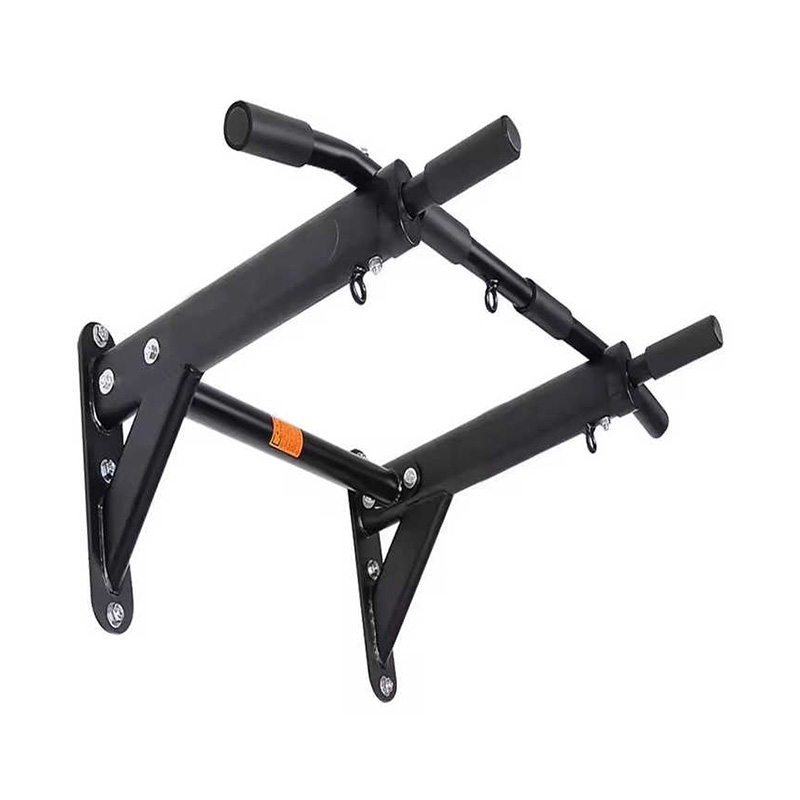
- Power rack with pull-up bar
- Adjustable bench (flat/incline/decline)
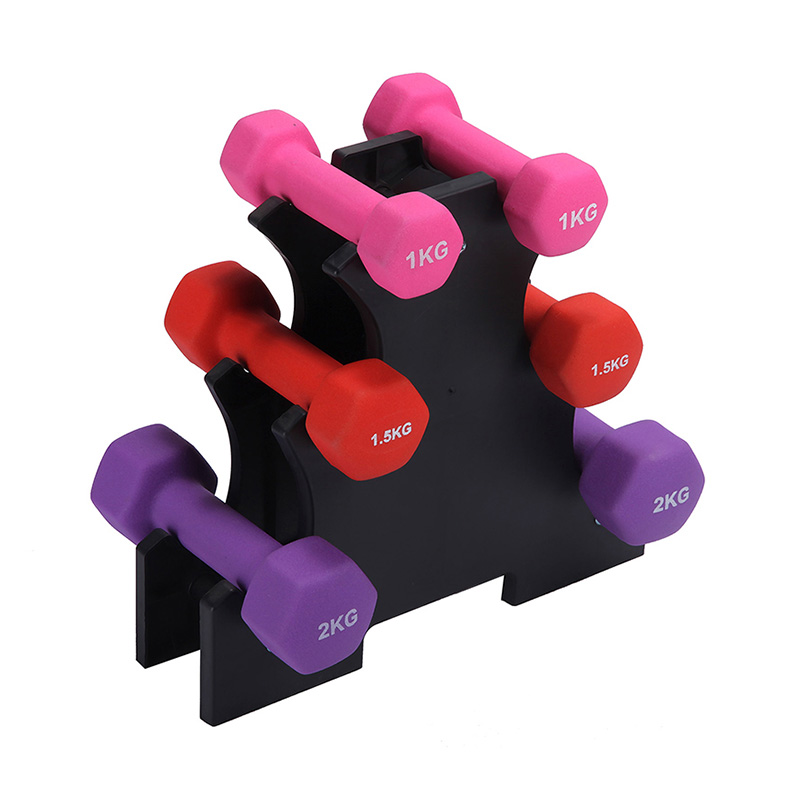
- Adjustable dumbbells or a fixed dumbbell set (up to 30–40 kg per hand)
- Resistance bands (set of 5 varying tensions)
- Horse stall mats or rubber flooring tiles (for equipment protection and grip)
This setup requires approximately 10–15 square meters of floor space and carries an upfront cost of $1,500–$3,500 depending on equipment quality. Over 3–4 years, this often costs less than a commercial gym membership — and the convenience factor eliminates the commute, wait times for equipment, and time constraints that commercial gyms impose.
What Commercial Gyms Provide That Home Gyms Can't
Commercial gyms justify their cost through equipment variety that home gyms can rarely match. Cable machines, leg press machines, Smith machines, cable crossovers, specialized squat racks, and a full range of cardio equipment — treadmills, rowers, assault bikes, stair climbers — provide training variety that accelerates results and prevents adaptation plateaus. The social environment can also improve training intensity and consistency for many people.
Cardio Equipment: Which Machines Deliver the Best Results
Cardiovascular fitness is a separate but essential component of overall health. The American Heart Association recommends at least 150 minutes of moderate-intensity or 75 minutes of vigorous-intensity cardio per week. Different cardio machines suit different bodies, goals, and injury histories.
- Rowing Machine (Ergometer): Works approximately 86% of the body's muscles, making it one of the most efficient pieces of cardio gym equipment available. Low joint impact, high caloric expenditure — around 600–800 calories per hour at moderate effort — and transfers directly to improved conditioning for lifting.
- Assault / Air Bike: Uses both arms and legs simultaneously. The fan-based resistance means the machine becomes harder as you push harder — there's no set resistance level, which makes it uniquely scalable. Used heavily in high-intensity interval training (HIIT) protocols.
- Treadmill: The most widely used cardio machine globally. Adjustable incline treadmill walking (10–15% grade at 3–4 mph) has become popular as a low-impact, high-calorie-burning steady-state cardio option that doesn't interfere with recovery from resistance training.
- Stair Climber: One of the most demanding pieces of cardio gym equipment for the lower body. Produces significant metabolic demand with lower impact than running, and specifically targets glutes and quads — relevant for strength athletes.
- Elliptical: The most joint-friendly option. Suitable for people with knee, hip, or ankle problems who cannot tolerate the impact of treadmill running. Caloric burn is comparable to running at moderate intensities.
Safety and Injury Prevention: What Every Gym Goer Must Prioritize
The best gym equipment in the world doesn't prevent injuries if technique is poor or training loads escalate faster than connective tissue can adapt. Injuries are the primary reason gym goers quit — not lack of motivation.
The Warm-Up Protocol That Actually Works
An effective warm-up before using heavy gym equipment involves three phases:
- General warm-up (5 minutes): Light cardio — rowing, cycling, or brisk walking — to elevate core temperature and increase blood flow to muscles and connective tissue.
- Dynamic mobility (5–10 minutes): Movement-based stretching targeting the joints used in the session. Hip circles, thoracic rotations, leg swings, arm circles, and ankle mobility drills prepare joints for the specific ranges of motion required.
- Specific warm-up sets: Working up to working weight with progressively heavier sets at lower reps. For a 120 kg squat session, warm-up sets might look like: bar only x 10, 40 kg x 8, 70 kg x 5, 90 kg x 3, 110 kg x 1, then working sets.
Common Gym Injuries and How to Prevent Them
The most common injuries among gym goers involve the lower back, rotator cuff, knees, and elbows. Most are preventable through a combination of proper technique, gradual load progression, adequate recovery, and appropriate use of supportive gym equipment like belts, sleeves, and wraps.
The most common mistake is adding load too quickly. A reasonable rate of progression for intermediate lifters is 2.5 kg added to upper body lifts every 1–2 weeks and 5 kg added to lower body lifts every 1–2 weeks, provided technique remains consistent. Attempting to add weight faster than these rates dramatically increases injury risk, particularly in tendons and ligaments which adapt more slowly than muscle tissue.
Frequently Asked Questions
What gym equipment should a beginner buy first?
For a beginner building a home setup, an adjustable dumbbell set, a set of resistance bands, and a pull-up bar cover most of the exercises in a well-designed beginner program. A barbell and power rack become worthwhile investments once bodyweight and dumbbell training feels limiting — typically within 3–6 months for most people.
Is a gym membership worth it if you already have some gym equipment at home?
It depends on what home equipment you have. If you have a barbell, rack, bench, and dumbbells, a commercial gym membership adds cable machine access and cardio equipment variety. Whether that justifies $40–$100/month depends on how much you'd use those additions. Many serious lifters use a minimal home setup supplemented by a basic gym membership for cable work.
How important is cardio for someone who mainly lifts weights?
Cardiorespiratory fitness directly impacts how well you recover between sets, between sessions, and over the long term. Research consistently shows that strength athletes who include moderate amounts of cardio (2–3 sessions per week, 20–30 minutes each) recover faster, handle higher training volumes, and report better overall health markers than those who avoid it entirely. Low-impact cardio like cycling or rowing minimizes interference with strength gains.
What's the one piece of gym equipment most people underestimate?
Resistance bands. They're inexpensive, versatile, portable, and scientifically validated. They can be used for warm-up drills, assistance on pull-ups, accommodating resistance on barbell lifts, rehabilitation exercises, and standalone workouts when travel prevents gym access. Very few gym goers use them to their full potential.
Do I need a personal trainer if I have access to good gym equipment?
A good personal trainer accelerates progress by teaching correct technique, building a periodized program, and providing accountability. Even 4–8 sessions with a qualified coach to establish a technical foundation for compound lifts is more valuable than months of self-taught lifting with poor form. After learning the basics, self-directed training with a well-researched program is a viable and cost-effective approach.