English
 Deutsch
 中文简体
中文简体Content
- The Best Dumbbell Shoulder Workout: The Direct Answer
- Why Shoulder Training Needs Three Different Movements
- A Complete Dumbbell Shoulder Workout Routine
- Form Cues for the Key Exercises
- Choosing the Right Dumbbell Weight and Progressing Over Time
- Setting Up a Home Shoulder Training Station
- Common Mistakes to Avoid
- Choosing Equipment for a Dedicated Shoulder Training Setup
The Best Dumbbell Shoulder Workout: The Direct Answer
An effective dumbbell shoulder workout combines a pressing movement, a lateral raise, a rear delt exercise, and a front raise, performed for 3 to 4 sets of 8 to 12 reps each, to fully train all three heads of the deltoid muscle. A simple, proven structure is the seated or standing dumbbell shoulder press followed by lateral raises, rear delt flyes, and front raises, which together build both strength and the rounded shoulder shape most lifters are training for.
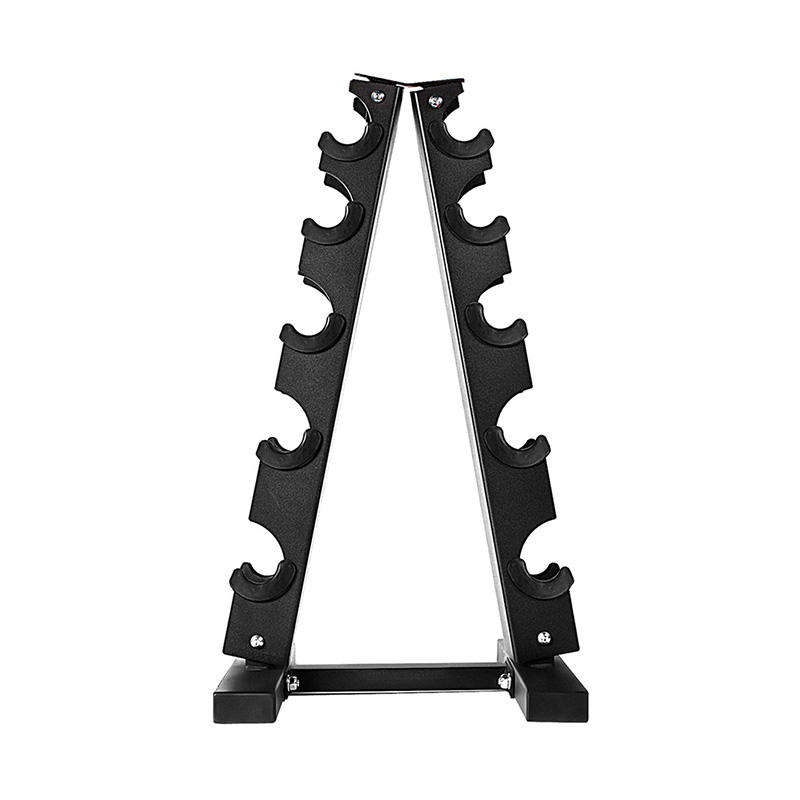
Dumbbells are particularly well suited to shoulder training because each arm has to stabilize its own weight independently, which recruits more of the smaller stabilizing muscles around the joint than a barbell or machine movement would. Keeping a set of dumbbells organized on a Dumbbell Rack next to your workout space also makes it far easier to move quickly between the different weights this kind of workout requires. The sections below break down the exercises, the sets and reps, the form cues, and how to build a complete routine around them.
Why Shoulder Training Needs Three Different Movements
The deltoid muscle is made up of three separate heads, and no single exercise trains all three effectively on its own. Understanding this structure is the reason a complete dumbbell shoulder workout uses several different movement patterns rather than repeating one exercise for more sets.
| Deltoid Head | Primary Function | Best Dumbbell Exercise |
|---|---|---|
| Anterior (front) | Raises the arm forward | Dumbbell shoulder press, front raise |
| Lateral (side) | Raises the arm out to the side | Dumbbell lateral raise |
| Posterior (rear) | Pulls the arm backward | Bent-over dumbbell rear delt flye |
A Complete Dumbbell Shoulder Workout Routine
This routine covers all three deltoid heads in a single session and can be performed once or twice per week as part of a broader upper body training split.
- Standing or seated dumbbell shoulder press: 4 sets of 8 to 10 reps
- Dumbbell lateral raise: 3 sets of 12 to 15 reps
- Bent-over dumbbell rear delt flye: 3 sets of 12 to 15 reps
- Dumbbell front raise: 3 sets of 10 to 12 reps
- Dumbbell shrug for upper trapezius: 3 sets of 12 to 15 reps
Starting with the shoulder press while energy levels are highest allows the heaviest compound movement to be trained with the best form, before moving on to the lighter isolation exercises that finish out the workout.
Form Cues for the Key Exercises
Dumbbell Shoulder Press
Keep the core braced and avoid arching the lower back excessively as the dumbbells press overhead. Stop the descent when the elbows reach roughly shoulder height rather than dropping the dumbbells lower, which reduces unnecessary strain on the shoulder joint.
Dumbbell Lateral Raise
Raise the arms to roughly shoulder height with a slight bend in the elbow, leading with the elbows rather than the hands. Avoid using momentum or swinging the torso to lift the weight, since this shifts the work away from the lateral deltoid and reduces the effectiveness of the exercise.
Bent-Over Rear Delt Flye
Hinge forward from the hips with a flat back and let the dumbbells hang directly below the shoulders before raising them out to the sides. Keeping the movement slow and controlled targets the rear deltoid more effectively than a fast, jerky motion.
Choosing the Right Dumbbell Weight and Progressing Over Time
The correct starting weight depends heavily on the specific exercise, since compound movements like the shoulder press support far more load than isolation movements like the lateral raise.
| Exercise Type | Weight Selection Guidance |
|---|---|
| Compound press movements | Choose a weight where the last 1 to 2 reps of each set feel genuinely challenging with good form |
| Isolation raise movements | Start noticeably lighter than pressing weight, since the lever arm makes these exercises feel heavier than the number suggests |
| Progressive overload | Increase weight only once all prescribed sets and reps can be completed with strict form |
Setting Up a Home Shoulder Training Station
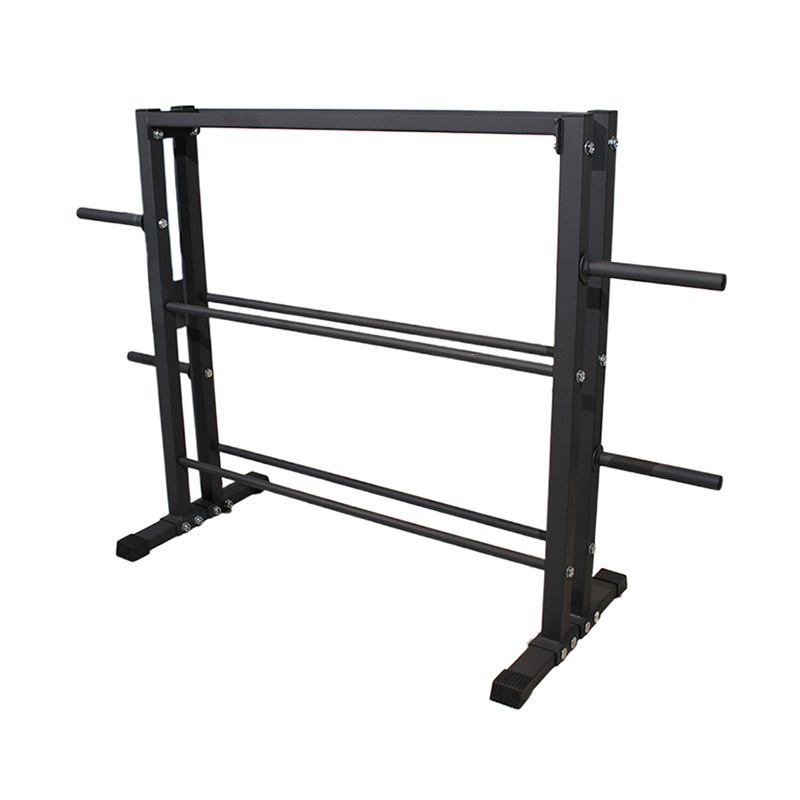
Because this routine cycles through several different dumbbell weights in a single session, from a heavier pressing weight down to a lighter raise weight, a well-organized Dumbbell Rack makes a noticeable difference in workout flow. Weights arranged in ascending order on a rack let you move between exercises without wasting time searching for the next set, which keeps rest periods consistent and the workout on pace.
- Position the rack within arm's reach of your pressing and raise space to minimize walking between sets
- Arrange dumbbells by ascending weight so the heavier pressing pair and lighter raise pairs are both easy to locate
- Choose a rack with a stable, wide base if your dumbbell collection includes heavier pressing weights
- Leave clear floor space around the rack for lateral raises and rear delt flyes, which require room to move the arms freely
Common Mistakes to Avoid
The most frequent error in dumbbell shoulder training is using momentum to swing the weight up rather than lifting it under control, which shifts stress onto the lower back and reduces the actual work performed by the deltoid muscle. A close second is skipping rear delt work entirely, which leaves the posterior deltoid underdeveloped relative to the front and side heads and can contribute to poor shoulder posture over time.
Warming up the shoulder joint with a few light sets before the first working set, and stopping a rep or two before technical failure on isolation movements, both help maintain consistent training quality across a long-term program.
Choosing Equipment for a Dedicated Shoulder Training Setup
Nantong Dingfeng Fitness Equipment Co., Ltd, established in 2009, manufactures strength training equipment including a Dumbbell Rack lineup designed to organize dumbbell sets for home and commercial gym spaces. A stable, appropriately sized rack keeps a full range of dumbbell weights accessible in one place, which supports exactly the kind of multi-exercise, multi-weight routine a complete shoulder workout requires.
When selecting a rack for a shoulder-focused routine, check the weight capacity per tier against your heaviest pressing dumbbells, confirm the base footprint fits your available floor space, and look for a design that keeps the lighter raise weights easy to grab quickly between sets.