English
 Deutsch
 中文简体
中文简体Content
Strong legs do not require a barbell. A single pair of dumbbells, chosen carefully and used consistently, is enough to build muscle in the quads, hamstrings, glutes, and calves while also improving balance and joint stability. That is the conclusion most strength coaches reach once they compare equipment options for home gyms, boutique studios, and commercial fitness floors.
Dumbbells earn this role because they combine load, freedom of movement, and a low skill barrier. You can squat, lunge, hinge, step up, and raise with one tool, and every variation forces your stabilizer muscles to work harder than a fixed machine would. In this guide, you will find the ten best dumbbell leg exercises, a simple way to structure them into a complete session, and the equipment details that matter when you buy dumbbells for a training space.
Why Dumbbells Are Enough for Leg Strength
The first question most lifters ask is whether dumbbells can match a barbell for lower-body development. The short answer is yes for the vast majority of goals, with one honest caveat that we will explain below.
- Independent limb loading exposes left-right strength imbalances that a barbell tends to hide. Over time, unilateral work with dumbbells brings both legs to a similar level.
- A longer range of motion is possible in goblet squats, Bulgarian split squats, and Romanian deadlifts because the weight does not sit on your back or force a fixed bar path.
- A lower learning curve helps beginners build confidence with natural, safer positions before they progress to more complex lifts.
- Space efficiency makes dumbbells ideal for home gyms and small studios. One rack of dumbbells can replace a barbell, bumper plates, and a squat stand.
The caveat is top-end loading. A barbell lets you squat with 150 kg on your back; with dumbbells, grip strength and loading logistics usually become limiting factors before leg strength does. For most trainees, that ceiling is still high enough to drive serious progress. The same trade-off appears in upper-body pressing, which is why our comparison of dumbbell versus barbell bench press reaches a similar verdict.
The 10 Best Dumbbell Leg Exercises
These ten movements cover every major muscle in the lower body. Use them as a menu: pick four to six exercises per session instead of trying to do all ten at once. The table below summarizes the target muscles and the coaching cue that matters most for each exercise.
| Exercise | Primary Target | Critical Cue |
|---|---|---|
| Goblet squat | Quads, glutes | Keep the elbows inside the knees |
| Dumbbell front squat | Quads, glutes | Keep the elbows high throughout |
| Bulgarian split squat | Quads, glutes | Front knee tracks over the toes |
| Reverse lunge | Quads, glutes | Lower the back knee under control |
| Romanian deadlift | Hamstrings, glutes | Push the hips back, not down |
| Single-leg deadlift | Hamstrings, glutes | Keep the spine neutral |
| Glute bridge | Glutes, hamstrings | Drive through the heels |
| Step-up | Quads, glutes | Keep the torso tall |
| Lateral lunge | Adductors, glutes | Sit back into the bent knee |
| Calf raise | Calves | Pause one second at the top |
Squat and lunge patterns
- Goblet squat: hold one dumbbell vertically against your chest, lower until the thighs reach at least parallel, and drive up through the heels. This is the best squat variation to teach upright posture and depth to a new lifter.
- Dumbbell front squat: rest two dumbbells on your shoulders, keep the elbows up, and squat with a vertical torso. The front-loaded position shifts more work to the quads and upper back.
- Bulgarian split squat: place the rear foot on a bench and hold a dumbbell in each hand. This single-leg movement produces high quad and glute activation with a modest load, which makes it one of the most efficient dumbbell leg exercises you can do.
- Reverse lunge: step backward into a lunge and return to standing. The reverse direction is easier on the knees than a forward lunge and challenges balance just as hard.
Hip-hinge patterns
- Romanian deadlift: with soft knees, push the hips back while the dumbbells travel along your thighs, then return by squeezing the glutes. Lower until you feel a strong stretch in the hamstrings.
- Single-leg dumbbell deadlift: hold one dumbbell in the hand opposite the standing leg, hinge forward, and keep the hips square. It doubles as a balance drill and is excellent for correcting left-right differences.
Glute, balance, and calf work
- Dumbbell glute bridge: lie on the floor with a dumbbell across your hips, lift until your body forms a straight line from shoulders to knees, and squeeze the glutes at the top.
- Dumbbell step-up: step onto a bench or box with one leg, drive up, and lower slowly. Avoid pushing off with the bottom foot.
- Lateral lunge: step to the side, sit into the bent knee, and keep the opposite leg straight. This pattern targets the adductors and glute medius, which are often neglected by front-to-back training.
- Dumbbell calf raise: hold a dumbbell in one hand, stand on a step, lower into a deep stretch, and rise onto the toes. Pause at the top for better calf recruitment.
How to Build a Complete Dumbbell Leg Workout
Exercise selection matters, but organization matters just as much. A well-structured session places compound movements early, uses the right rep range for your goal, and leaves room for enough frequency and recovery.
Warm up before you load
Spend five minutes raising your body temperature before touching the dumbbells. Bodyweight squats, walking leg swings, and glute bridges activate the working muscles and prepare the hips and ankles for deep positions. This simple step reduces injury risk and improves squat depth.
Sets, reps, and rest
Match the loading scheme to your primary goal. The table below gives practical starting points based on standard strength-training principles.
| Goal | Sets | Reps | Rest |
|---|---|---|---|
| Strength | 4 to 5 | 5 to 6 | 2 to 3 minutes |
| Muscle growth | 3 to 4 | 8 to 12 | 60 to 90 seconds |
| Endurance | 2 to 3 | 15 to 20 | 30 to 60 seconds |
Example session
- Goblet squat — 4 sets of 8 reps
- Bulgarian split squat — 3 sets of 10 reps per leg
- Romanian deadlift — 3 sets of 10 reps
- Reverse lunge — 3 sets of 12 reps per leg
- Dumbbell glute bridge — 3 sets of 15 reps
- Dumbbell calf raise — 3 sets of 20 reps
Frequency and progression
Train your legs twice per week with at least 48 hours between sessions. Progress by adding one or two reps to every set; when you hit the top of your rep range with clean technique, increase the dumbbell weight by the smallest available increment. Slowing the lowering phase, for example taking three seconds down on a reverse lunge, is another effective way to increase difficulty before you move up in weight.
Choosing Dumbbells and Avoiding Common Mistakes
Equipment quality directly affects safety, comfort, and how consistently people train. Whether you are buying for a commercial gym or a home setup, look for the same basics: secure handles, durable coating, accurate weights, and a resting place that keeps the floor organized.
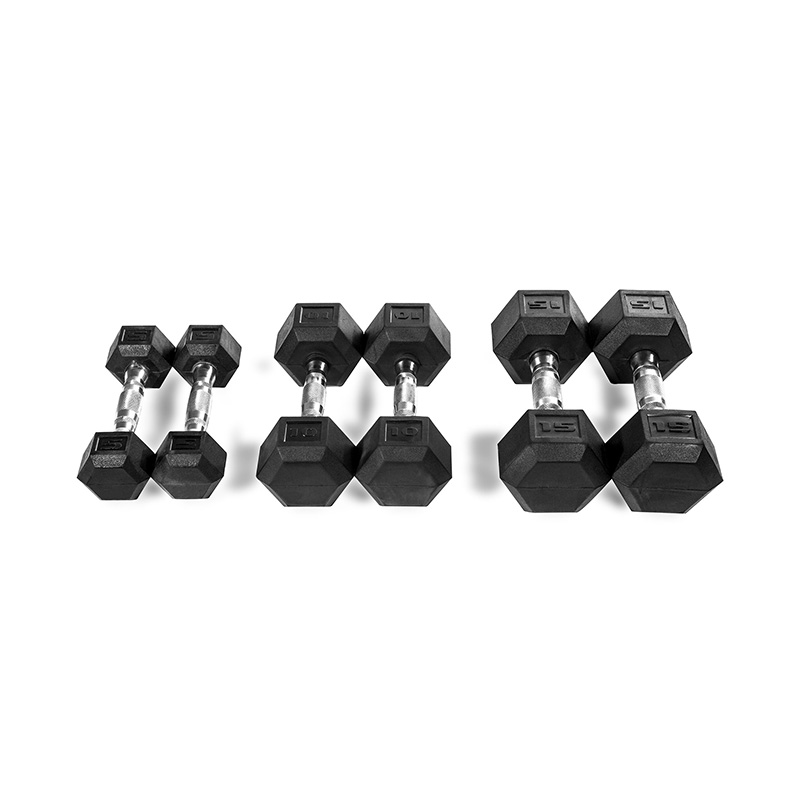
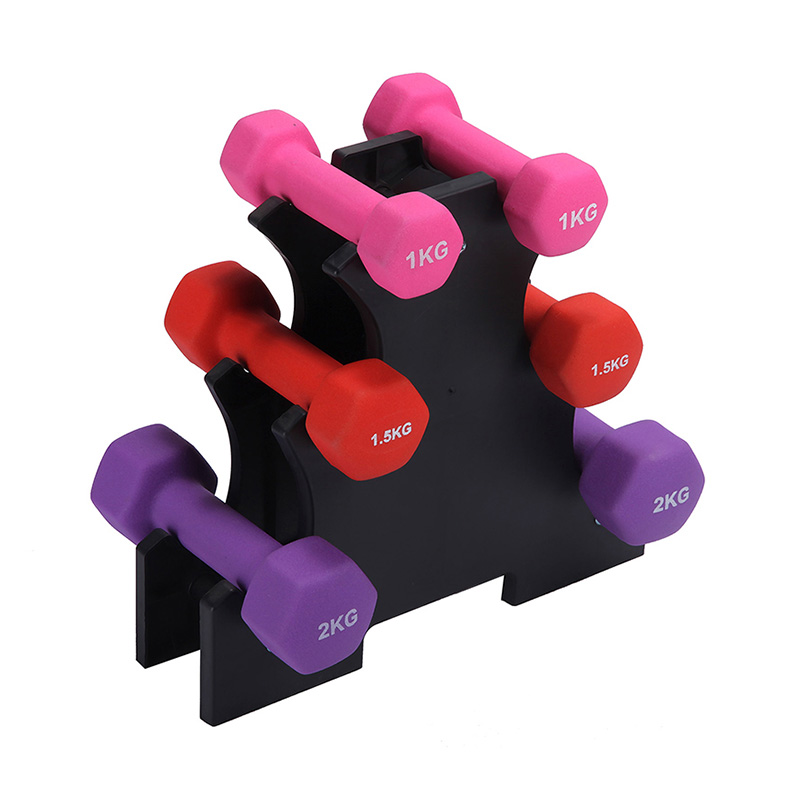
For home use, hex dumbbells with a vinyl-neoprene coating are a practical option because the flat sides prevent rolling and the coating protects floors and reduces noise when you set the weight down.
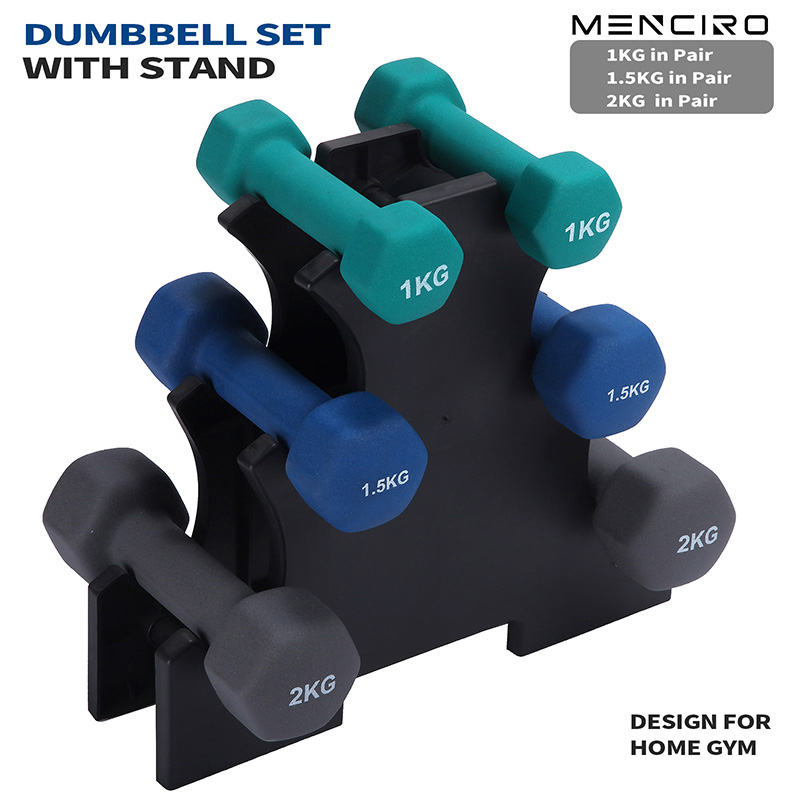 Wholesale Vinyl Neoprene Rubber Coated Hex Dumbbell Suppliers, Company - NantongNantong Dingfeng Fitness Equipment Co., Ltd is China Wholesale Vinyl Neoprene Rubber Coated Hex Dumbbell suppliers and company .Product O...View Product →
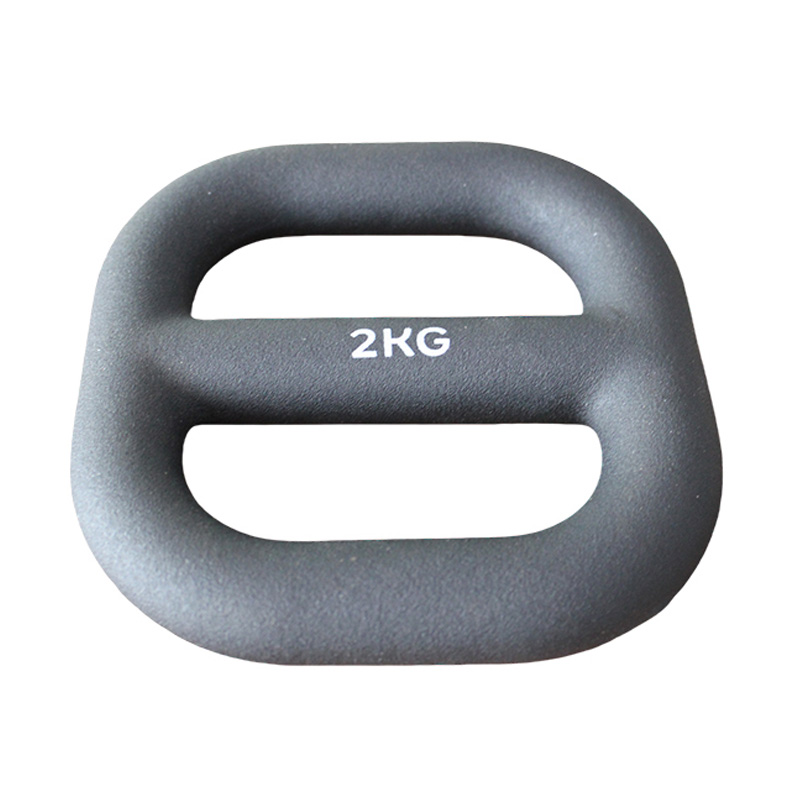
In a compact space, a non-rolling adjustable dumbbell set lets you change loads without owning ten pairs of dumbbells and takes up a fraction of the floor area.
 Wholesale Non-Rolling Adjustable Dumbbell Set Suppliers, Company - Nantong DingfNantong Dingfeng Fitness Equipment Co., Ltd is China Wholesale Non-Rolling Adjustable Dumbbell Set suppliers and company .1. Excellent st...View Product →
Whatever style you select, a dedicated dumbbell rack keeps the training area tidy, makes picking up and putting down safer, and extends the life of the coating. Every type of dumbbell, from solid handheld sets to rubber-coated and vinyl-dipped options, should be judged with these criteria before it earns a place in a gym.
 Wholesale Tiered Dumbbell Rack for Easy Access Suppliers, Company - Nantong DingNantong Dingfeng Fitness Equipment Co., Ltd is China Wholesale Tiered Dumbbell Rack for Easy Access suppliers and company .Product Overvi...View Product →
Five mistakes that stall leg progress
- Cutting range of motion short. Shallow squats and half-rep lunges reduce muscle activation and limit strength gains.
- Rushing the lowering phase. Controlled lowering, roughly two to three seconds, creates more tension and builds more muscle than dropping the weight.
- Letting the knees cave inward. Keep the knee tracking in line with the toes on every squat and lunge variation.
- Training only both legs together. Unilateral exercises like Bulgarian split squats and step-ups fix imbalances and carry over to everyday movement.
- Starting too heavy. If technique breaks before you reach the intended rep range, the weight is too heavy. Reduce it and build the reps back up.
The tool itself is rarely the limit. A well-chosen pair of dumbbells, a structured plan, and consistent effort over several months will produce visible change in leg size and strength — no barbell required.