English
 Deutsch
 中文简体
中文简体Content
A good weight bench is one built with heavy-gauge steel construction, a weight capacity of at least 600 lbs (272 kg), high-density foam padding, and multiple adjustable backrest angles that let you safely perform flat, incline, and decline exercises. Beyond the frame itself, a good weight bench should sit stable on the floor with no wobble under load, use welded joints rather than only bolted brackets at stress points, and offer a seat and backrest that stay locked in position during heavy pressing movements. If a bench meets these four criteria, it will hold up to years of regular training rather than becoming the weakest link in your home gym.
What Makes a Good Weight Bench
Not every bench sold as a "weight bench" is built for serious training. The difference between a bench that lasts a decade and one that loosens up within months usually comes down to four measurable factors: frame gauge, weld quality, padding density, and adjustment mechanism strength.
Frame Gauge and Steel Thickness
Commercial-grade weight benches typically use 11-gauge to 14-gauge steel tubing. Lower gauge numbers mean thicker steel, which is why 11-gauge frames are generally rated for higher weight capacities than 14-gauge frames of the same design.
Weld Points vs Bolted Joints
Bench frames that rely entirely on bolted brackets at high-stress joints tend to develop play and squeaking over time. Fully welded main frames hold their geometry far longer under repeated loading, which is why most commercial gym equipment uses welded construction at the base and upright supports.
Weight Capacity and Frame Construction
Weight capacity is the single most quoted specification for any weight bench, but it only tells part of the story. A bench rated for a given capacity should be tested with both the user's body weight and the loaded barbell or dumbbells combined, not just the added weight alone.
| Use Case | Recommended Capacity | Typical Frame Gauge |
|---|---|---|
| Light home use | 300 - 500 lbs | 14-gauge |
| Serious home gym | 600 - 800 lbs | 12-gauge |
| Commercial gym / studio | 800 - 1,000+ lbs | 11-gauge |
For most home users, a weight bench rated between 600 and 800 lbs provides a comfortable safety margin above actual training loads, which typically stay well under half of the rated capacity during normal use.
Padding, Adjustability, and Backrest Stability
Padding Density
Foam padding on a weight bench is usually measured in density (kg/m³) rather than thickness alone. Higher-density foam resists compressing flat under repeated use, keeping the pad supportive after months of training rather than developing a permanent dip where the user typically sits or lies down.
Adjustability Range
A versatile weight bench typically offers between 5 and 7 backrest positions, ranging from a decline angle around -15 degrees to an incline of 85 to 90 degrees for near-vertical shoulder pressing. More adjustment points generally mean more exercise variety, but each additional pin position should still lock securely under load.
Seat and Backrest Locking Mechanism
A bench that shifts position mid-set is a safety risk, not just an inconvenience. Look for spring-loaded pull pins or ratcheting levers that fully seat into the frame, rather than friction-only adjustment collars that can slip under heavy load.
Types of Weight Benches and Which One Fits Your Goals
The right weight bench depends on the exercises you plan to perform most often. The main categories differ mainly in adjustability and intended use:
| Bench Type | Adjustability | Best For |
|---|---|---|
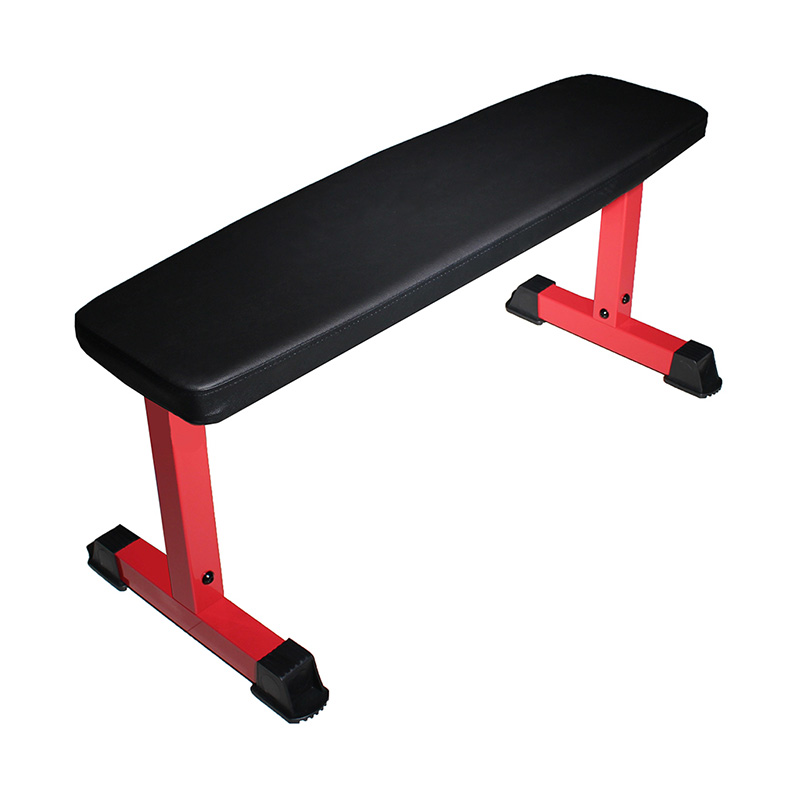
| Flat bench | None | Flat presses, rows, step-ups |
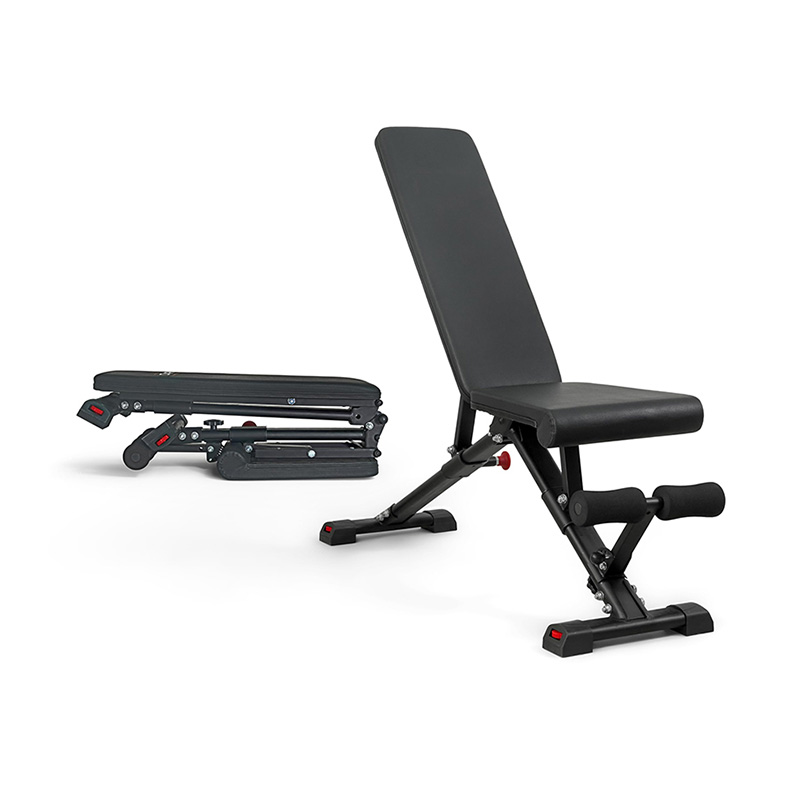
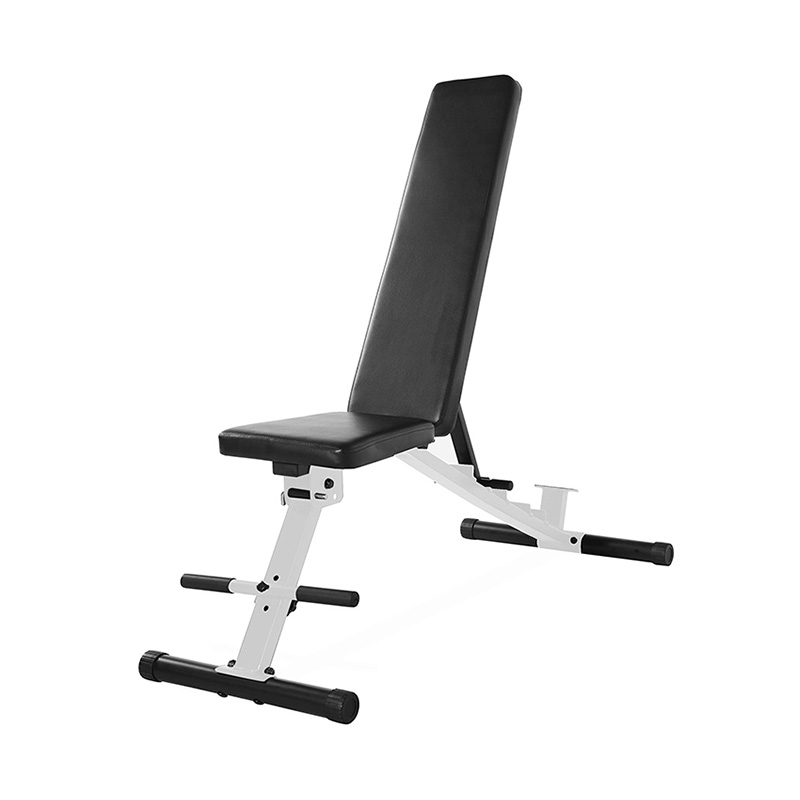
| Adjustable (FID) bench | Flat, incline, decline | Full upper body variety |
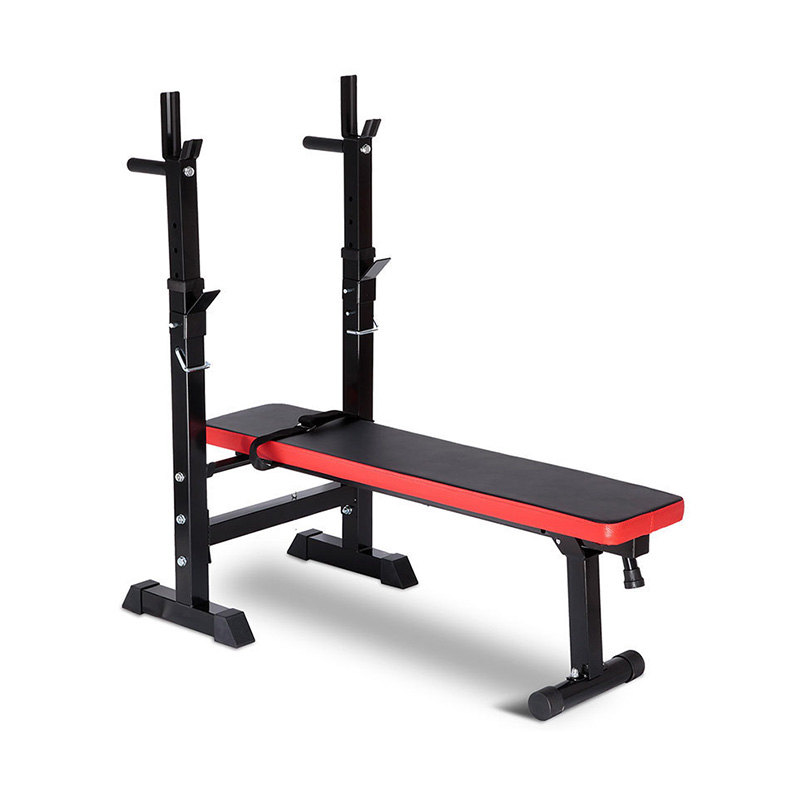
| Olympic bench with rack | Flat, fixed rack height | Barbell bench press training |
| Foldable bench | Flat or limited incline | Small spaces, easy storage |
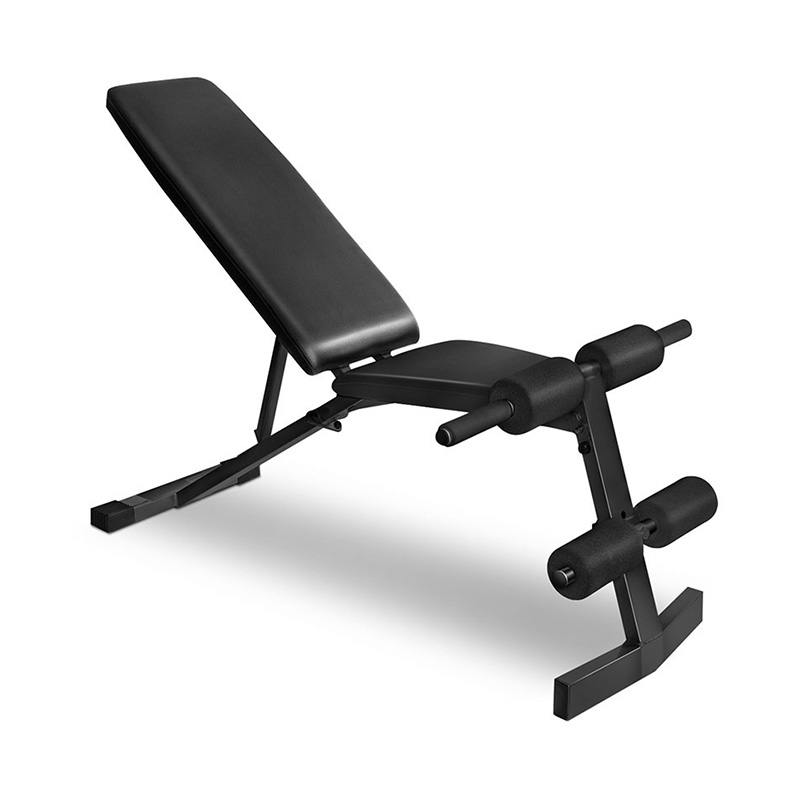
An adjustable weight bench, often labeled FID (flat-incline-decline), is generally the most practical choice for a home gym since a single bench can support presses, rows, core work, and shoulder training without needing multiple pieces of equipment.
Common Mistakes When Choosing a Weight Bench
Buyers frequently focus on price or padding color while overlooking factors that matter more for long-term durability and safety. Watch for the following before purchasing:
- Choosing a bench based on weight capacity alone without checking frame gauge or weld quality
- Ignoring base footprint and stability, which matters as much as frame strength for preventing tipping
- Overlooking rubber floor protectors, which prevent both floor damage and unwanted sliding
- Assuming all "adjustable" benches lock as securely at every angle rather than just the flat position
- Underestimating how padding density affects comfort during longer training sessions
Nantong Dingfeng's Weight Bench Manufacturing
Nantong Dingfeng Fitness Equipment Co., Ltd. manufactures weight benches built around heavy-gauge steel frames, fully welded stress points, and high-density foam padding designed to hold up under repeated commercial and home gym use. The company's production facility applies consistent quality control across bearing systems and structural welds, aiming for the kind of long-term stability that matters most when a bench is loaded with barbells and heavy dumbbells day after day.
Buyers comparing options for a home gym, studio, or commercial facility can review Nantong Dingfeng's full weight bench lineup, including flat, adjustable, and rack-equipped models, to match frame capacity and adjustability to their specific training needs.