English
 Deutsch
 中文简体
中文简体Content
- Why the Waist Responds to Specific Gym Equipment
- The Cable Machine: The Most Versatile Gym Equipment for Waist Work
- Rowing Machine: Full-Body Gym Equipment That Attacks Waist Fat Efficiently
- Treadmill for HIIT: Cardio Gym Equipment That Burns the Most Waist Fat
- Captain's Chair: The Gym Equipment That Directly Sculpts the Waist
- Elliptical Trainer: Low-Impact Gym Equipment for Consistent Fat Burn
- Comparing the Top Gym Equipment for Waist Slimming
- Gym Equipment That's Often Recommended But Delivers Less for Waist Slimming
- How to Program Gym Equipment Into a Waist-Slimming Weekly Plan
- The Role of Compound Movements and Gym Equipment Beyond Core Machines
- Common Mistakes When Using Gym Equipment to Slim the Waist
- How Long Does It Take to See Results With the Right Gym Equipment?
If you want to slim your waist, the most effective gym equipment options are the cable machine, rowing machine, treadmill (used for high-intensity intervals), elliptical trainer, and the captain's chair. These machines target the core, burn visceral fat, and strengthen the muscles that define the waistline. But here's the real answer most fitness content skips: no single machine "spot reduces" fat at the waist. What these machines do — when used correctly and consistently — is create a caloric deficit, build oblique and abdominal muscle, and improve posture, all of which make your waist appear significantly slimmer over time.
Studies from the American Council on Exercise consistently show that total-body fat loss through cardiovascular and resistance exercise reduces waist circumference more effectively than any isolated abdominal routine. A reduction of just 5–10% of body weight has been shown to decrease waist circumference by 3–6 centimeters in most adults. The right gym equipment accelerates that process.
Why the Waist Responds to Specific Gym Equipment
The waist is shaped by two things: the amount of subcutaneous and visceral fat stored around the midsection, and the development of the underlying muscle groups — primarily the transverse abdominis, internal and external obliques, and the rectus abdominis. Gym equipment that targets both simultaneously produces the fastest visible results.
Cardiovascular gym equipment burns calories and reduces the fat layer sitting over your muscles. Resistance-based gym equipment builds and tightens the muscles underneath. The most efficient approach combines both. Research published in Obesity Reviews found that combining aerobic exercise with resistance training reduced waist circumference by an average of 4.3 cm more than aerobic exercise alone over 12 weeks.
Another factor is posture. Weak core muscles cause the pelvis to tilt forward and the belly to protrude even at low body fat levels. Gym equipment that builds deep core strength corrects this postural issue and can make the waist look slimmer without any actual fat loss occurring — a benefit that's often underestimated.
The Cable Machine: The Most Versatile Gym Equipment for Waist Work
The cable machine stands out as the single most effective piece of gym equipment for waist-slimming because of its rotational resistance capability. Unlike fixed machines, cables allow resistance to be applied at any angle through a full range of motion, which is essential for training the obliques — the muscles most responsible for the visual narrowing of the waist.
Key Cable Machine Exercises for the Waist
- Cable woodchops — Set the cable at shoulder height and pull diagonally across the body. This is one of the highest-activation exercises for the obliques, with EMG studies showing up to 60% greater oblique activation than crunches.
- Pallof press — A standing anti-rotation hold that builds transverse abdominis strength and teaches the core to resist twisting forces, tightening the entire midsection.
- Cable crunches — Kneeling crunches with a rope attachment allow progressive overload on the rectus abdominis, building defined abs under reduced body fat.
- Standing side bends — With a low cable handle, lateral flexion directly targets the external obliques on each side.
The cable machine also builds functional core stability, which improves your form on other gym equipment. If you're going to prioritize one machine in your waist-slimming program, this is it.
Rowing Machine: Full-Body Gym Equipment That Attacks Waist Fat Efficiently
The rowing machine is consistently underutilized, yet it delivers caloric burn and core engagement simultaneously — a combination that is highly effective for waist reduction. A 155-pound person burns approximately 260 calories in 30 minutes of moderate rowing, which is comparable to cycling but with significantly higher engagement of the back and core muscles.
Every rowing stroke requires the core to transfer power from the legs to the arms through a braced midsection. This constant stabilization demand means the transverse abdominis and obliques are under tension for the entire duration of the session. No other cardio gym equipment creates this degree of incidental core work.
How to Use the Rowing Machine for Maximum Waist Impact
The most effective protocol for fat loss on the rowing machine is interval training rather than steady-state rowing. A standard session might look like this: row at maximum effort for 20 seconds, rest for 40 seconds, and repeat for 20 rounds. This approach, sometimes called 20/40 intervals, has been shown in multiple studies to produce greater post-exercise caloric burn (the "afterburn" effect, or EPOC) compared to sustained moderate-intensity rowing.
Keep your posture upright throughout. Slumping through the drive phase reduces core activation and limits the muscle-building benefits that support waist slimming.
Treadmill for HIIT: Cardio Gym Equipment That Burns the Most Waist Fat
The treadmill is one of the most commonly available pieces of gym equipment in any facility, and when used for high-intensity interval training (HIIT), it becomes one of the most powerful tools for reducing waist circumference. The key word is "intervals." Steady-state jogging burns calories during the session; HIIT continues to burn calories for up to 24 hours afterward due to elevated metabolic rate.
A 2018 study in the Journal of Obesity found that HIIT protocols on a treadmill reduced waist circumference by 2.1 cm more than steady-state exercise over 12 weeks of training, even when total caloric expenditure was equalized. This suggests that the hormonal and metabolic effects of high-intensity effort specifically target abdominal fat accumulation.
A Practical Treadmill HIIT Protocol
- Warm up at a brisk walk for 3 minutes
- Sprint at 85–90% max effort for 30 seconds
- Recover at walking pace for 90 seconds
- Repeat 8–10 rounds
- Cool down for 3–5 minutes at an easy walk
The entire session takes under 25 minutes, making it one of the most time-efficient uses of this gym equipment for waist slimming. Adding an incline of 6–10% during the sprint intervals increases the demand on the lower abdominal muscles and hip flexors, adding a subtle toning component to the fat-burning work.
Captain's Chair: The Gym Equipment That Directly Sculpts the Waist
The captain's chair — also called the vertical knee raise station — is the gym equipment most directly associated with developing the muscles that define the waistline. It's frequently found near the free weight area and is often overlooked in favor of mat exercises, which is a mistake. When used with proper form, the captain's chair generates far higher levels of abdominal and hip flexor activation than floor-based movements.
An ACE-commissioned study that used EMG testing to compare abdominal exercises ranked the captain's chair as the second most effective exercise for rectus abdominis activation and the number one exercise for oblique activation, outperforming crunches, sit-ups, and ab roller exercises. The oblique activation during the knee raise on the captain's chair was measured at nearly 200% higher than a standard crunch.
How to Use the Captain's Chair for Waist Slimming
- Hanging knee raises — Bring knees to chest while keeping the lower back pressed into the pad. Avoid swinging. 3–4 sets of 15–20 repetitions.
- Hanging leg raises (straight legs) — More advanced. Keep the core braced and raise legs to parallel with the floor. Higher difficulty means higher muscle recruitment.
- Oblique knee raises — Raise knees while rotating them to one side, then the other. This places direct emphasis on each oblique and is the most waist-specific variation available on this gym equipment.
Progress on the captain's chair by increasing reps gradually, then moving from bent-knee variations to straight-leg variations. Adding a small dumbbell held between the feet introduces further progressive overload once bodyweight versions become manageable.
Elliptical Trainer: Low-Impact Gym Equipment for Consistent Fat Burn
The elliptical trainer is highly effective gym equipment for waist slimming, particularly for people with knee, hip, or lower back issues that make high-impact alternatives like the treadmill problematic. Its low-impact nature means it can be used more frequently without the recovery demands associated with running, which compounds total caloric expenditure over a week, a month, and a year.
The dual-action elliptical — the type with movable arm poles — increases caloric burn by 20–30% compared to a lower-body-only elliptical, because the upper body musculature is recruited simultaneously. Engaging the arms also creates a mild rotational demand through the torso that lightly activates the obliques with every stride.
To maximize waist-slimming benefit on the elliptical, increase the resistance level to the point where conversation becomes difficult. Low-resistance, long-duration sessions have their place for active recovery but produce less fat-loss stimulus than shorter, higher-resistance sessions. Aim for moderate to high resistance for 25–35 minutes, three to four times per week.
Comparing the Top Gym Equipment for Waist Slimming
Not all gym equipment delivers the same results for every goal. The table below summarizes the key characteristics of each machine relative to waist slimming specifically.
| Gym Equipment | Primary Waist Benefit | Core Activation Level | Avg. Calories/30 min (155 lb) | Best For |
|---|---|---|---|---|
| Cable Machine | Oblique & core muscle building | Very High | ~200–250 | Muscle definition & toning |
| Rowing Machine | Calorie burn + core stabilization | High | ~260 | Full-body fat loss with core work |
| Treadmill (HIIT) | High-intensity fat burn, EPOC | Moderate | ~300–370 | Maximum caloric deficit |
| Captain's Chair | Direct oblique & ab sculpting | Very High | ~100–130 | Waist muscle definition |
| Elliptical Trainer | Sustained low-impact fat burn | Moderate | ~270–335 | Low-impact, consistent use |
Gym Equipment That's Often Recommended But Delivers Less for Waist Slimming
Some gym equipment regularly gets associated with waist slimming but the research and practical results don't fully support the hype. Understanding where these machines fall short can save time and redirect effort toward more effective options.
Abdominal Crunch Machine
The seated abdominal crunch machine provides isolated flexion of the spine and targets the rectus abdominis. The problem is twofold: first, it doesn't create enough caloric expenditure to contribute meaningfully to fat loss. Second, it only trains one plane of motion (flexion) and neglects the obliques almost entirely. EMG data shows that the crunch machine produces significantly lower oblique activation than cable woodchops or captain's chair variations. It's not useless, but it shouldn't anchor a waist-slimming program.
Stationary Bike
The stationary bike is excellent for lower-body conditioning and cardiovascular health, but it involves essentially no core engagement — the rider is seated with the back supported, removing any stabilization requirement. For waist-specific goals, other gym equipment produces better results. That said, spinning classes using upright cycling with intervals can be an effective tool for general fat loss, which supports waist reduction indirectly.
Hip Abductor/Adductor Machine
This machine targets the inner and outer thighs, not the waist. The persistent belief that it slims the waist comes from misunderstanding anatomy and the myth of spot reduction. While it has value for hip and glute health, choosing this gym equipment over cable work or rowing represents a significant opportunity cost for anyone with waist-slimming as a primary goal.
How to Program Gym Equipment Into a Waist-Slimming Weekly Plan
Using gym equipment effectively for waist slimming requires a structured approach, not random machine-hopping. The most effective programs alternate between cardiovascular gym equipment for fat burning and resistance-based gym equipment for muscle development, with adequate recovery built in.
A practical four-day-per-week structure might look like this:
- Day 1: Rowing machine (20 minutes of intervals) + cable machine (woodchops, Pallof press, cable crunches — 3 sets each)
- Day 2: Treadmill HIIT (20–25 minutes) + captain's chair (knee raises, oblique raises — 4 sets each)
- Day 3: Rest or active recovery (light walking)
- Day 4: Elliptical trainer (30 minutes at moderate-high resistance) + cable machine (side bends, rotational pulls — 3 sets each)
- Day 5: Rowing machine (steady state 25 minutes) + captain's chair + compound lifts (deadlifts, squats — which strongly engage the core)
Progressive overload matters on resistance-based gym equipment just as much as it does with free weights. Increase resistance, reps, or sets every 2–3 weeks. Stagnation in workout intensity leads to stagnation in results. If you're doing the same cable woodchop with the same weight after six weeks, your obliques have adapted and growth — and waist slimming — has likely plateaued.
The Role of Compound Movements and Gym Equipment Beyond Core Machines
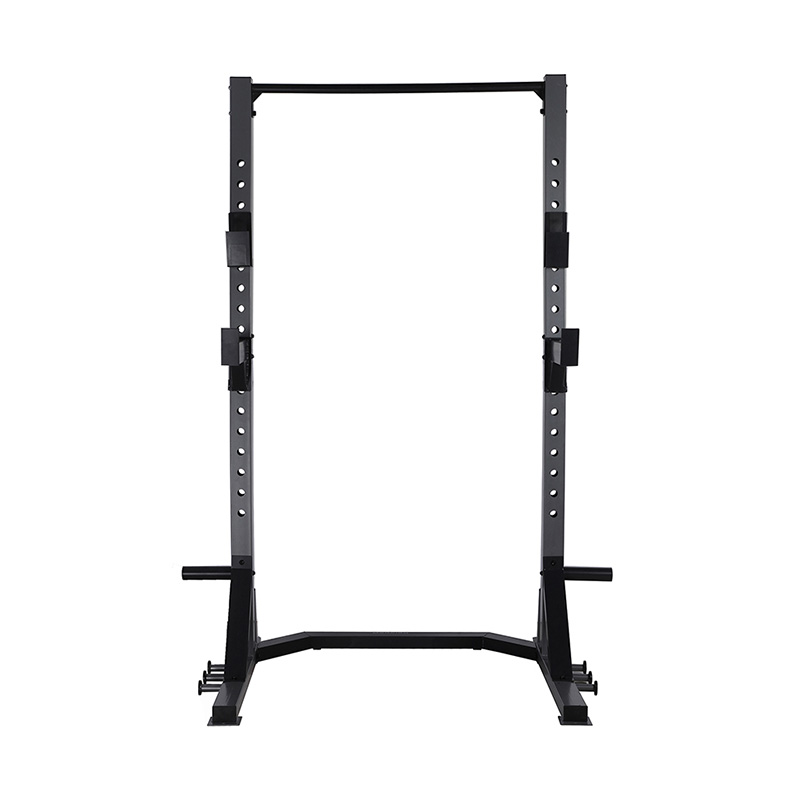
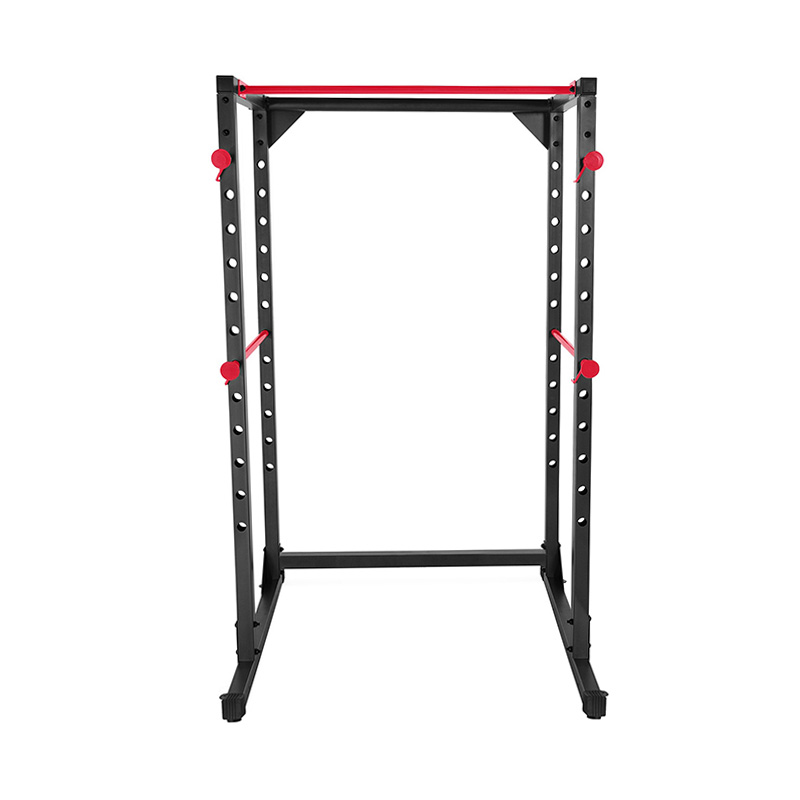
One of the most overlooked aspects of waist slimming at the gym is the contribution of compound movements performed on standard gym equipment like squat racks, deadlift platforms, and cable stations. Full-body lifts build muscle mass across the entire body, which raises resting metabolic rate and accelerates fat loss — including around the waist.
Heavy deadlifts engage the erector spinae, transverse abdominis, and obliques simultaneously at an intensity that no isolation machine replicates. Heavy barbell squats require significant bracing of the midsection to protect the spine. Overhead pressing demands the entire core to stabilize the torso under load. These compound movements, performed on basic gym equipment available in virtually every facility, collectively condition the waist more thoroughly than a stack of crunches.
The additional muscle mass built through compound training also has a secondary cosmetic benefit: broader shoulders and more developed glutes create a visual V-taper that makes the waist appear narrower even if the actual measurement doesn't change. This proportional effect is a recognized principle in bodybuilding and physique training.
Common Mistakes When Using Gym Equipment to Slim the Waist
Many people spend significant time on gym equipment without seeing the waist results they're expecting. Most of the time, specific and consistent mistakes are the reason.
Only Using Cardio Gym Equipment
Cardio burns calories and supports fat loss, but without resistance work, the muscles beneath the fat remain underdeveloped. As fat is lost, the waist may become smaller but won't have the defined, toned appearance that comes from building oblique and abdominal muscle. Both types of gym equipment are necessary.
Performing High Reps With No Resistance
Doing 100 bodyweight crunches on the mat provides little stimulus for muscle growth or caloric burn. On gym equipment like the cable machine or captain's chair, using challenging resistance for 12–20 controlled repetitions is far more effective than endless low-effort repetitions. Muscles grow under load, not under volume alone.
Neglecting Breath and Bracing
On any gym equipment involving core work, breathing technique matters enormously. Exhaling forcefully during exertion and bracing the core as if preparing for impact before each movement dramatically increases muscle activation. Many people hold their breath or breathe passively, which reduces intra-abdominal pressure and decreases the training stimulus on the muscles that matter most for waist definition.
Ignoring Diet While Relying Solely on Gym Equipment
No gym equipment can overcome a caloric surplus. The research is consistent: exercise alone, without dietary adjustment, produces modest waist circumference reductions at best. Gym equipment accelerates and shapes the process, but nutrition drives the fat loss that reveals the muscles being built. Reducing processed foods, excess sugar, and alcohol while increasing protein intake to 0.7–1g per pound of bodyweight creates the conditions under which gym equipment training delivers visible waist-slimming results.
How Long Does It Take to See Results With the Right Gym Equipment?
With a consistent program using the gym equipment described in this article, most people begin to notice changes in waist appearance within 4–6 weeks. Actual measurable changes in waist circumference — using a tape measure — typically become statistically significant at the 8–12 week mark with consistent training three to five days per week.
Research trials using combined cardio and resistance gym equipment programs report average waist circumference reductions of 3–7 cm over 12 weeks, with participants who also modified diet seeing reductions at the higher end of that range. Individual results vary based on starting body composition, hormonal factors, age, and sleep quality — all of which influence how quickly the body mobilizes fat from the abdominal region.
The waist is often one of the last areas where fat is mobilized in many people, particularly those with higher levels of visceral fat. Patience combined with consistency is more predictive of results than intensity alone. Using the right gym equipment in a structured, progressive program is the most reliable path to a slimmer waist over time.