English
 Deutsch
 中文简体
中文简体Content
- The Truth About Lower Ab Workouts: What Actually Works
- Why the Lower Abs Are So Hard to Isolate
- The Best Lower Ab Workouts: Exercises Ranked by Effectiveness
- Lower Ab Workouts by Training Environment
- Fitness Equipment That Directly Enhances Lower Ab Training
- Programming Lower Ab Workouts Into Your Weekly Routine
- Common Technique Errors That Kill Lower Ab Results
- Nutrition and Body Fat: The Unavoidable Complement to Lower Ab Workouts
- Lower Ab Workouts for Different Training Levels
- The Role of Compound Lifts in Lower Ab Development
- Frequently Asked Questions About Lower Ab Workouts
The Truth About Lower Ab Workouts: What Actually Works
The lower abdomen is one of the most stubbornly difficult areas to strengthen and define — not because it requires secret exercises, but because most people train it wrong. The lower portion of the rectus abdominis responds best to exercises that involve posterior pelvic tilt and hip flexion under tension, not just generic crunches. If you have been doing sit-ups for months and still feel like your lower belly isn't engaging, the problem is exercise selection and programming — not your genetics.
This guide cuts through the noise. You will find specific movements, sets, rep ranges, and practical programming advice grounded in how the core actually functions. Whether you train at a fully equipped gym or at home with minimal fitness equipment, there is a solution here for you.
Why the Lower Abs Are So Hard to Isolate
Anatomically, there is no separate "lower ab muscle." The rectus abdominis runs as one long sheet from the pubic bone to the sternum. However, research using electromyography (EMG) has consistently shown that exercises involving hip flexion with a fixed or posteriorly tilted pelvis produce significantly greater activation in the lower fibers compared to exercises that curl the upper trunk.
A 2013 study published in the Journal of Strength and Conditioning Research found that reverse crunch variations produced 20–30% more lower rectus activation compared to standard crunches. This is why movement direction matters so much — bringing the hips toward the chest is more effective for lower ab development than bringing the chest toward the hips.
A second major obstacle is body fat distribution. The lower abdomen is typically the last place fat is shed in both men and women due to higher concentrations of alpha-2 adrenergic receptors, which inhibit fat mobilization. No amount of lower ab training will reveal definition without a caloric deficit. But that does not mean training them is pointless — a strong lower core reduces injury risk, improves posture, and builds the muscular foundation that becomes visible once body fat decreases.
The Role of Hip Flexors
One common mistake is letting the hip flexors — specifically the psoas major and iliacus — dominate lower ab exercises. When the pelvis tilts anteriorly and the lumbar spine arches, the hip flexors take over and the abs become passive passengers. This is why people often feel their hip flexors cramping during leg raises but feel nothing in the lower abs. The fix is deliberate pelvic positioning: flatten the lower back against the floor before and during each rep.
The Best Lower Ab Workouts: Exercises Ranked by Effectiveness
The following exercises are ordered from highest to lowest lower-ab activation based on available EMG research and practical training evidence. Each includes specific technique cues that make the difference between wasted reps and genuine muscle stimulus.
1. Hanging Leg Raises
Hanging leg raises consistently rank among the highest in lower ab EMG activation across multiple studies. The key is posterior pelvic tilt at the top of the movement — do not simply raise your legs to 90 degrees and stop. Curl the pelvis under, bringing the knees toward the chest and rounding the lower back slightly. This is where the abs are truly working.
This exercise requires a pull-up bar or a dedicated fitness equipment station with hanging straps. If grip strength is a limiting factor, use ab straps that loop around your forearms so the upper body fatigue does not cut the set short before the abs are adequately challenged.
- Sets/Reps: 3–4 sets of 10–15 reps
- Progression: Straight-leg version, then add ankle weights
- Common mistake: Swinging the body for momentum
2. Reverse Crunches
Reverse crunches are one of the most underrated lower ab workouts and require zero fitness equipment beyond a flat surface. Lying on your back with hands placed under your glutes or gripping a bench behind your head, raise your legs to 90 degrees and then curl your hips off the floor toward your chest. The movement should be a curl, not a swing — if your lower back is arching or you hear your hips thudding back on the mat, you are losing tension on the abs entirely.
To make this harder, perform it on a decline bench — a piece of fitness equipment available in most commercial gyms. The decline angle increases the range of motion and forces the abs to work against greater resistance through a longer arc.
- Sets/Reps: 3 sets of 15–20 reps
- Progression: Add a medicine ball between the knees
- Common mistake: Not fully extending the legs at the bottom
3. Ab Wheel Rollouts
The ab wheel is one of the most cost-effective pieces of fitness equipment you can own, typically costing under $20, yet it produces elite-level core activation. EMG data shows ab wheel rollouts activate the rectus abdominis at over 100% of maximum voluntary contraction (MVC) — a rare finding that puts it above traditional crunches in virtually every metric.
The lower fibers are engaged most heavily during the extended position when the hips are almost fully extended. Keep the lumbar spine neutral and resist the urge to let the hips drop — the moment the lower back sags, the lumbar erectors take over and spinal injury risk climbs sharply.
- Sets/Reps: 3 sets of 8–12 reps (from knees initially)
- Progression: Standing rollouts from feet
- Common mistake: Rolling too fast and using momentum
4. Dead Bug
The dead bug is not flashy, but it is one of the most neurologically demanding lower ab workouts available. Lying on your back with arms extended toward the ceiling and hips and knees at 90 degrees, you slowly lower one arm and the opposite leg simultaneously while keeping the lower back pressed firmly into the floor. The challenge is anti-extension — your abs must resist the extension force of the descending limbs without allowing any lumbar movement.
Physical therapists frequently prescribe this exercise because it trains the core in its most functionally important role: stabilizing the spine while the limbs move. It requires no fitness equipment whatsoever and is safe for nearly all fitness levels.
- Sets/Reps: 3 sets of 8–10 reps per side
- Progression: Add a resistance band around the feet
- Common mistake: Allowing the lower back to arch off the floor
5. Cable Crunches (Lower Focus Variation)
A cable machine is a versatile piece of fitness equipment that allows you to apply constant tension through the entire range of motion — something bodyweight exercises cannot do. For lower ab emphasis, attach a rope to the low pulley and lie on the floor in front of the cable stack. Pull the rope so your hips curl upward off the floor in a reverse crunch pattern. The cable adds resistance at the top of the movement where bodyweight exercises lose tension.
- Sets/Reps: 3 sets of 12–15 reps
- Progression: Increase cable weight by 5 lbs per week
- Common mistake: Bending at the knees rather than the hips
Lower Ab Workouts by Training Environment
Not everyone has access to the same fitness equipment. Below are complete lower ab workout protocols organized by training environment — from a full commercial gym down to a completely equipment-free home setup.
| Environment | Exercise 1 | Exercise 2 | Exercise 3 | Exercise 4 |
|---|---|---|---|---|
| Full Gym | Hanging Leg Raise | Cable Reverse Crunch | Decline Reverse Crunch | Ab Wheel Rollout |
| Home with Basic Equipment | Ab Wheel Rollout | Reverse Crunch | Dead Bug | Mountain Climbers |
| No Equipment | Reverse Crunch | Dead Bug | Flutter Kicks | Scissor Kicks |
| Pull-Up Bar Only | Hanging Knee Raise | Hanging Leg Raise | Windshield Wipers | Toes to Bar |
Training at Home Without Fitness Equipment
You do not need a gym membership or specialized fitness equipment to build a strong lower core. The floor is your most important training surface. A yoga mat adds comfort but is not strictly necessary. The following bodyweight circuit can be done in under 20 minutes and hits the lower abs from multiple angles:
- Reverse Crunch — 3 × 15
- Dead Bug — 3 × 10 per side
- Flutter Kicks — 3 × 30 seconds
- Scissor Kicks — 3 × 20 reps (10 per side)
- Mountain Climbers — 3 × 30 seconds
Rest 45–60 seconds between sets. This circuit covers both dynamic hip flexion (reverse crunches), anti-extension (dead bug), and endurance-based work (flutter kicks, mountain climbers).
Fitness Equipment That Directly Enhances Lower Ab Training
Certain pieces of fitness equipment are purpose-built for lower ab development. Knowing which ones are worth the investment — and which are marketing gimmicks — saves time and money.
Ab Wheel: The Highest Value Fitness Equipment for Core Training
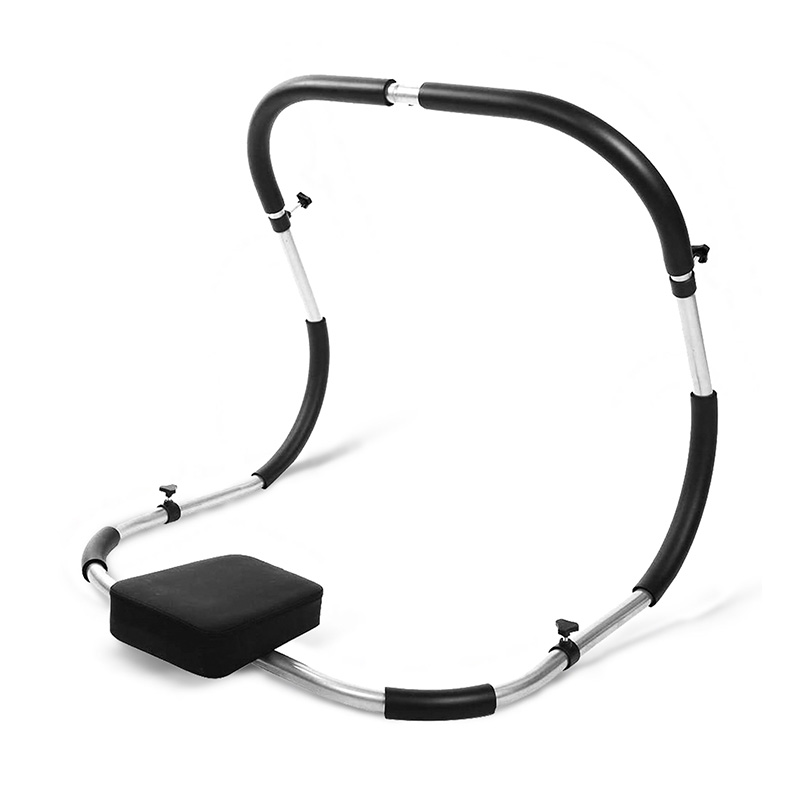
At $15–$25, the ab wheel offers the most EMG activation per dollar of any core fitness equipment available. Dual-wheel models are more stable for beginners, while single-wheel models offer a greater stability challenge. Look for rubberized handles and a weighted wheel for smoother rolling. This is the single piece of fitness equipment most worth buying if you train at home.
Pull-Up Bar (Doorframe or Wall-Mounted)
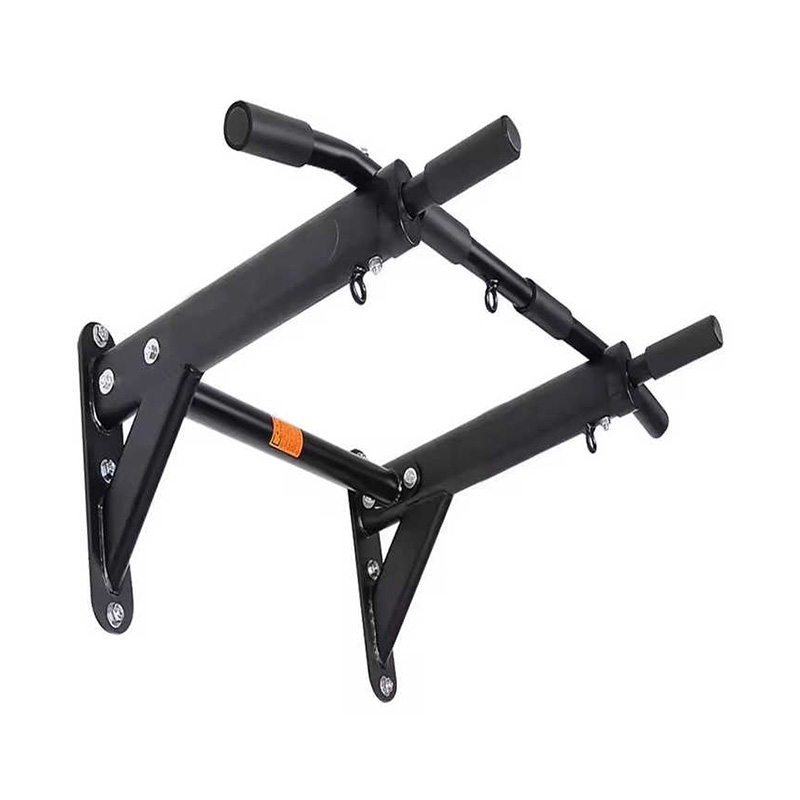
A pull-up bar unlocks hanging leg raises and toes-to-bar — two of the best lower ab workouts in existence. Doorframe-mounted bars cost $25–$40 and require no installation. Wall-mounted bars are more stable for heavier athletes or those adding ankle weights. Pair a pull-up bar with ab straps ($15–$20) to eliminate grip fatigue and extend working sets.
Decline Bench
A decline bench is a standard piece of fitness equipment in commercial gyms and a worthwhile addition to a home gym with more space. Decline reverse crunches and decline sit-ups hit the lower abs through a larger range of motion than flat-surface alternatives. Adjustable decline benches offer versatility for multiple exercises including lower back work, which supports overall core health.
Cable Machine
A cable machine is one of the most versatile pieces of fitness equipment in any serious gym. For lower ab work, the key advantage is constant tension through the entire movement arc. Bodyweight exercises lose tension at the top (contracted position), but cable-loaded exercises maintain it. Functional trainers — a dual-cable fitness equipment setup — are available for home use starting around $500 and provide every cable-based lower ab exercise you would find in a commercial gym.
Resistance Bands
Resistance bands are inexpensive fitness equipment that bridge the gap between bodyweight and cable machines. Anchor a band to a door at the bottom and perform reverse crunches or leg raises against band resistance. Loop bands around the ankles during dead bugs or mountain climbers to add load without bulky fitness equipment. A full set of resistance bands costs $20–$40 and fits in a bag.
Fitness Equipment to Skip
Not all ab-focused fitness equipment is created equal. The following are generally not worth purchasing:
- Ab rockers and crunch machines: These guide you through a limited range of motion that mirrors a crunch — already one of the lower-activation exercises available. The machine adds no advantage.
- Electric stimulation belts: There is no credible evidence that passive electrical stimulation builds abdominal muscle or burns fat locally. Multiple studies have found negligible results.
- Ab rollers with spring-back mechanisms: These remove the hardest part of the rollout — returning to starting position — which is where a significant portion of lower ab work occurs.
Programming Lower Ab Workouts Into Your Weekly Routine
The abs, like any other muscle group, need progressive overload and adequate recovery. Training them every single day with high volume is one of the most common mistakes — it increases fatigue without providing the stimulus variation the muscle needs to adapt and grow.
Research suggests that training the abs 2–4 times per week at moderate volume (3–5 sets per session) is optimal for most people. More is not better. The abs are working as stabilizers during virtually every compound lift you do — squats, deadlifts, overhead presses — so they are accumulating training stress beyond what you see on paper.
Sample Weekly Schedule: 3-Day Lower Ab Focus
- Day 1 (Monday): Hanging Leg Raise 3×12, Ab Wheel Rollout 3×10, Dead Bug 3×8 per side
- Day 2 (Wednesday): Reverse Crunch 4×15, Cable Lower Ab Curl 3×12, Flutter Kicks 3×30 sec
- Day 3 (Friday): Decline Reverse Crunch 3×15, Toes to Bar 3×10, Mountain Climbers 3×30 sec
This schedule ensures each session uses different movement patterns and loading strategies while allowing 48 hours between sessions for recovery. Adjust volume up or down based on how sore you are 24 hours after training.
How to Progress Over Time
Progressive overload is as important for lower ab workouts as it is for bench press or squats. The abs will adapt to any fixed stimulus within 4–6 weeks. Here are the primary progression strategies:
- Add load: Use ankle weights during leg raises, increase cable weight, add resistance bands
- Increase range of motion: Move from bent-knee to straight-leg variations
- Increase tempo demands: Slow the eccentric (lowering) phase to 3–4 seconds
- Progress to harder variations: Hanging knee raises → hanging leg raises → toes to bar
- Reduce rest periods: Build metabolic endurance by shortening rest from 60 to 30 seconds
Common Technique Errors That Kill Lower Ab Results
Bad form in lower ab workouts does not just reduce effectiveness — it shifts load onto the lumbar spine and hip flexors, which can produce pain over time. These are the errors seen most often:
Anterior Pelvic Tilt During Leg Raises
When your lower back arches away from the floor or the bar during leg raises, your pelvis is tilting anteriorly. This places the lumbar spine in extension and disengages the lower abs entirely. Before lifting your legs, consciously flatten your lower back — imagine pressing your belly button toward your spine and tilting your pelvis slightly posteriorly. Maintain this position throughout the entire set.
Using Momentum
Swinging during hanging leg raises is the most common way people avoid doing any actual ab work. If you are swinging your body to get your legs up, reduce the load immediately — drop to bent-knee raises and build control before progressing. A controlled rep at lower difficulty always outperforms a sloppy rep at higher difficulty in terms of actual muscle stimulus.
Stopping at 90 Degrees
Raising legs to 90 degrees is not the end of the rep — it is the midpoint. The lower ab contraction happens when the pelvis curls posteriorly past 90 degrees. If you always stop at 90 and never complete the posterior pelvic tilt curl, you are consistently omitting the most important part of the exercise.
Training Abs Only at the End of Workouts When Fatigued
Most people throw in 5 minutes of ab work at the end of a long workout when they are already mentally and physically exhausted. Quality suffers dramatically under fatigue. If you genuinely want to develop your lower core, consider training abs first or on a separate dedicated session at least twice per week. Even a 15-minute focused lower ab session when you are fresh will produce better results than 30 minutes of sloppy post-workout ab work.
Lower ab workouts build muscle. Nutrition reveals it. No combination of exercises, fitness equipment, or training frequency will overcome a caloric surplus when it comes to visible lower ab definition.
For men, lower ab definition typically becomes visible at body fat percentages below 12–15%. For women, this threshold is higher — generally 18–22% — due to essential fat requirements. These are not rigid cutoffs, as fat distribution varies by genetics, but they serve as useful reference points.
A moderate caloric deficit of 300–500 calories per day is the most effective fat-loss strategy for most people — large enough to produce consistent weight loss (roughly 0.5–1 lb per week) without triggering excessive muscle breakdown or hormonal disruption. Protein intake of at least 0.7–1 gram per pound of bodyweight preserves muscle mass during a caloric deficit.
The combination of consistent lower ab workouts, compound lifting, and a moderate caloric deficit is the complete picture. Each element supports the others. The fitness equipment you use, the specific exercises you choose, and the number of sets you perform all matter — but only if the nutritional foundation is in place.
Lower Ab Workouts for Different Training Levels
Exercise selection and volume should match your current fitness level. Beginners who jump into advanced lower ab workouts often compensate with improper form, build incorrect movement patterns, and increase injury risk. Below are appropriate protocols for each stage.
Beginner (0–6 Months of Training)
Focus on learning to control pelvic position before adding difficulty. No specialized fitness equipment is needed at this stage. Prioritize quality over quantity — 3 perfect reps beat 15 sloppy ones.
- Reverse Crunch (flat floor): 3 × 12
- Dead Bug: 3 × 6 per side
- Bent-Knee Flutter Kicks: 3 × 20 seconds
- Hollow Body Hold: 3 × 15–20 seconds
Intermediate (6 Months – 2 Years of Training)
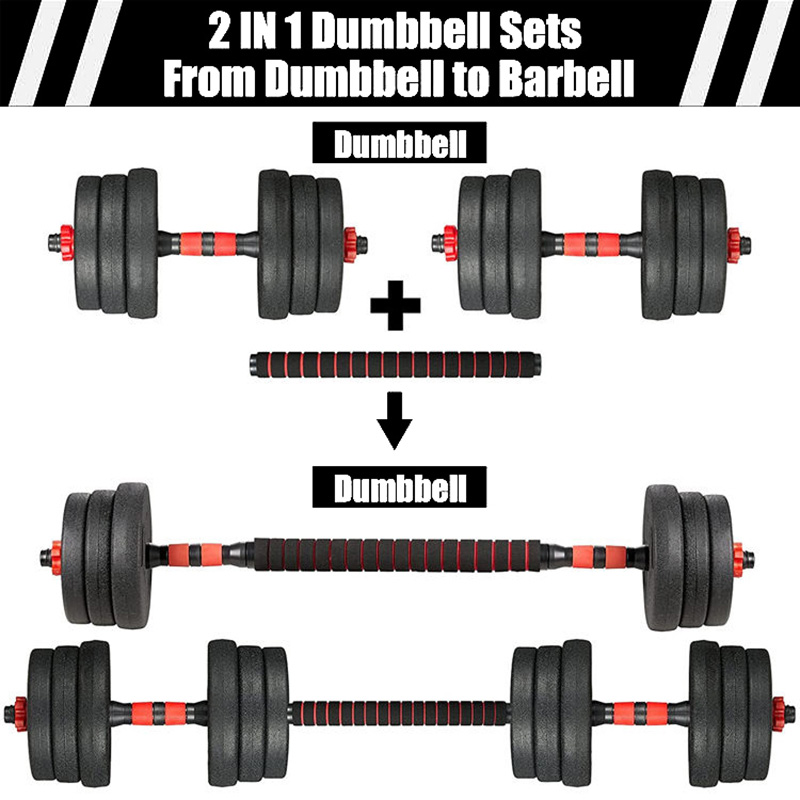
Introduce fitness equipment to add load and difficulty. At this stage, an ab wheel, pull-up bar, and resistance bands are all worthwhile additions to your training setup.
- Ab Wheel Rollout (from knees): 3 × 8–12
- Hanging Knee Raise: 3 × 12
- Decline Reverse Crunch: 3 × 15
- Dead Bug with Resistance Band: 3 × 8 per side
Advanced (2+ Years of Consistent Training)
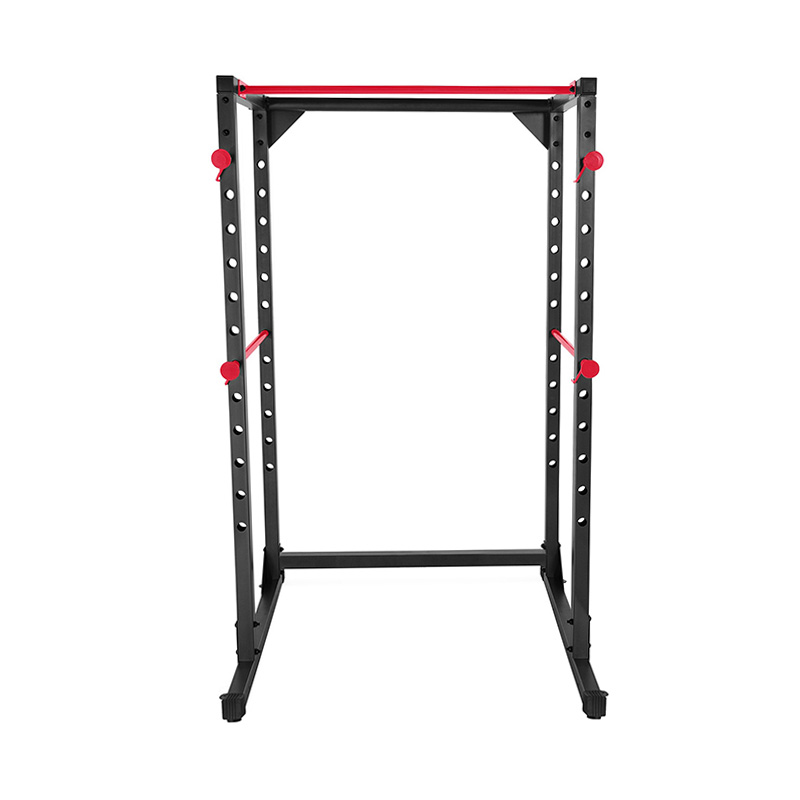
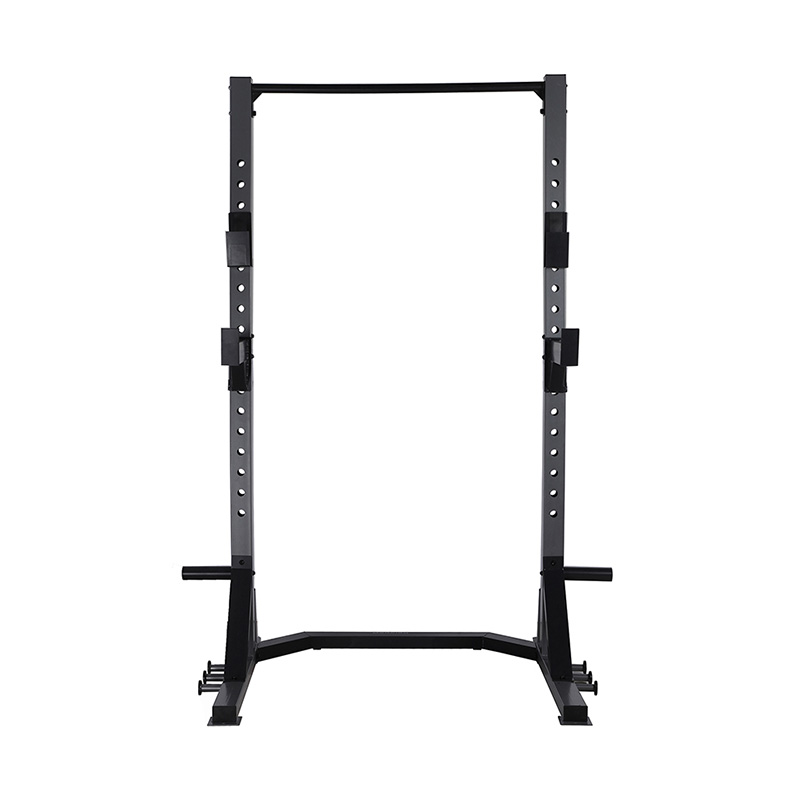
At this stage, progression requires heavier loads, greater range of motion, and more complex movement patterns. Access to gym-quality fitness equipment becomes more valuable here — cable machines, dip/leg raise stations, and weighted dip belts all allow continued progressive overload.
- Toes to Bar: 4 × 10–15
- Ab Wheel Rollout (standing): 3 × 8–10
- Hanging Leg Raise with Ankle Weights: 4 × 12
- Cable Lower Ab Curl: 3 × 12–15
- Windshield Wipers (hanging): 3 × 8 per side
The Role of Compound Lifts in Lower Ab Development
Lower ab workouts done in isolation will only take you so far. The biggest gains in core strength and stability often come from getting stronger in major compound lifts that demand high intra-abdominal pressure and core bracing throughout the movement.
Barbell squats, deadlifts, overhead presses, and pull-ups all produce substantial core activation simply as a byproduct of moving heavy loads. A 2017 analysis found that heavy deadlifts activated the rectus abdominis at over 50% MVC — comparable to many dedicated ab exercises. This does not mean isolated lower ab workouts are unnecessary, but it does mean that getting stronger in the big lifts accelerates your results significantly.
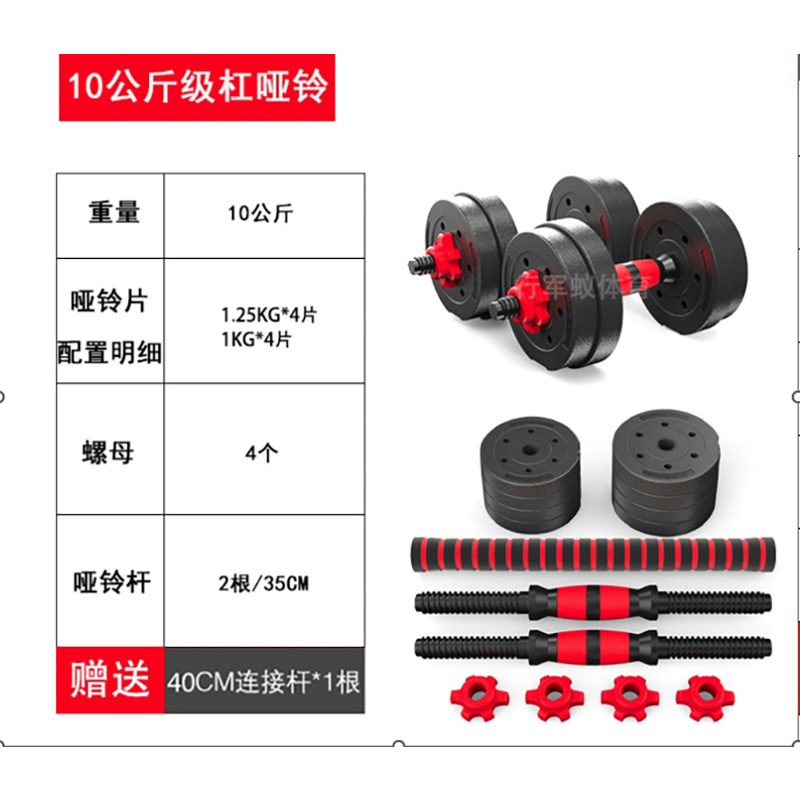
If your only focus is lower ab training with no compound lifting, you are leaving significant progress on the table. The two approaches are complementary, not competing. Build your program around compound lifts using appropriate fitness equipment — barbells, dumbbells, cable stacks — and add dedicated lower ab workouts 2–3 times per week on top.
Frequently Asked Questions About Lower Ab Workouts
How long does it take to see results from lower ab workouts?
Strength and neural adaptations begin within 2–4 weeks of consistent training. Visible changes in muscular definition depend heavily on body fat levels and may take 8–16 weeks of combined training and nutrition management to become noticeable. Changes in core strength and stability are often felt before they are seen — you will notice improved performance in other lifts and better posture before visual changes appear.
Can I train lower abs every day?
Training the abs daily is generally not necessary or optimal for most people. The abs are skeletal muscle and respond to the same recovery requirements as any other muscle group. Daily low-intensity work (like hollow body holds or dead bugs) at minimal volume is probably fine, but daily high-volume lower ab workouts will likely produce diminishing returns and possible overuse issues in the hip flexors or lumbar spine. Stick to 2–4 focused sessions per week.
Are lower ab workouts safe during pregnancy or postpartum?
Many traditional lower ab exercises involve significant intra-abdominal pressure and are not appropriate during pregnancy or in the early postpartum period, especially for individuals with diastasis recti. The dead bug is generally considered safe during early pregnancy when modified. Always consult a qualified healthcare provider or women's health physical therapist before performing any lower ab workouts during or after pregnancy.
Is fitness equipment necessary for effective lower ab training?
No. Effective lower ab workouts can be performed with zero fitness equipment. The floor, your body weight, and proper technique produce genuine results. Fitness equipment like an ab wheel, pull-up bar, or cable machine allows for progressive overload and greater exercise variety — both of which accelerate long-term progress — but they are enhancements, not prerequisites.